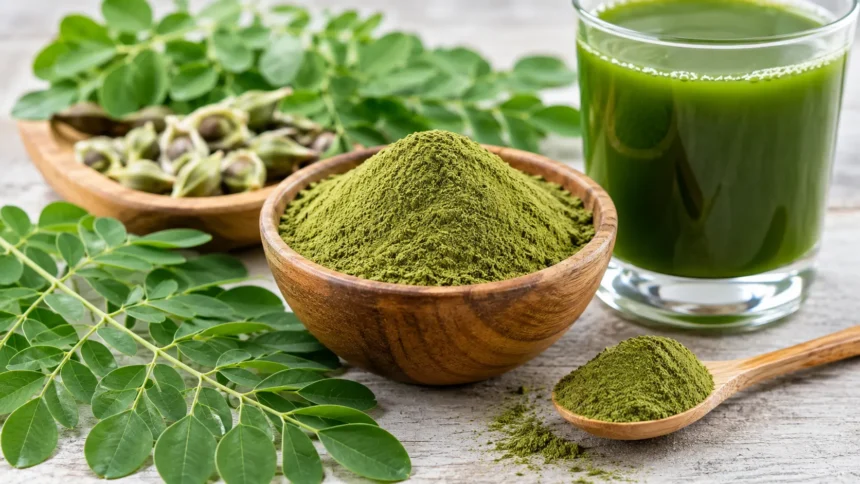
Moringa Powder Benefits, Uses and Side Effects
Moringa powder has become a popular addition to smoothies, juices, soups, teas, and wellness routines, but the plant behind the trend has been valued as food for generations. Usually made from dried leaves of Moringa oleifera, the green powder contains plant protein, fiber, vitamins, minerals, and a variety of naturally occurring phytochemicals. Its concentrated nutritional profile has helped earn moringa names such as the drumstick tree and miracle tree, although some modern health claims stretch much further than current scientific evidence allows.
Interest in moringa powder goes beyond basic nutrition. Researchers have investigated compounds in moringa leaves for possible antioxidant, anti-inflammatory, blood sugar, cholesterol, and cardiovascular effects. Laboratory and animal studies frequently produce promising findings, but human studies are still relatively limited, small, and inconsistent. That distinction matters because a food can be nutritious without automatically becoming a proven treatment for diabetes, high blood pressure, inflammation, or another medical condition.
For most people, the most practical way to think about moringa leaf powder is as a nutrient-rich plant food rather than a medicine. Adding modest amounts to an otherwise balanced diet can provide additional plant compounds and nutrients, especially when the rest of the diet includes fruits, vegetables, legumes, whole grains, protein sources, and healthy fats. Taking increasingly large quantities in search of faster benefits is unlikely to turn a nutritious food into a miracle cure and may instead increase digestive discomfort.
Moringa is also available in forms that differ substantially from ordinary leaf powder, including concentrated extracts, capsules, oils, teas, seeds, roots, and bark preparations. Safety information cannot always be transferred from one plant part to another because their chemical compositions differ. This guide focuses mainly on moringa leaf powder, explaining its potential benefits, common uses, possible side effects, and the areas where scientific evidence remains too limited to support confident health claims.
What Is Moringa Powder?
Moringa powder is most commonly produced by harvesting the leaves of the Moringa oleifera tree, drying them at controlled temperatures, and grinding the dried leaves into a fine green powder. The tree grows particularly well in tropical and subtropical regions and has long been used as both food and traditional medicine. Young leaves, immature pods, flowers, and other parts of the plant are eaten in different cultures, although leaf powder has become one of the most widely marketed forms internationally.
Drying removes much of the leaves’ water, meaning nutrients and plant compounds become concentrated within a relatively small amount of powder. Moringa leaves naturally provide protein, fiber, carotenoids, polyphenols, and minerals, although exact nutrient amounts can vary considerably. Soil conditions, growing environment, harvest timing, processing temperature, storage, and the amount consumed all influence how much nutrition a spoonful of moringa powder actually provides.
This natural variation is important when evaluating nutrition claims printed on supplement packages. One brand may provide substantially different nutrient levels from another, even when both products contain pure moringa leaf powder. Processing can also reduce heat-sensitive nutrients, so nutrition values from fresh leaves cannot simply be assumed to apply to every dried commercial product. Checking the actual nutrition panel provides more useful information than relying on general claims about the plant.
Moringa powder should also be distinguished from concentrated moringa extracts. Powdered whole leaves retain much of the original plant material, whereas extracts may concentrate specific chemicals far beyond normal food exposure. Research conducted with an extract does not necessarily tell us how a teaspoon of leaf powder will behave, and findings involving seeds, bark, or roots cannot automatically be attributed to the leaves. Understanding the exact product is therefore essential when discussing moringa benefits and safety.
Moringa Powder Nutrition: What Does It Contain?
Moringa leaves contain a broad mixture of nutrients that has contributed substantially to the plant’s reputation. Depending on processing and serving size, moringa leaf powder can contribute protein, dietary fiber, calcium, potassium, iron, magnesium, and other minerals. It also contains carotenoids, including beta-carotene compounds that the body can use to produce vitamin A. These nutrients make moringa interesting as a food ingredient, especially in regions where dietary diversity or nutrient availability may be limited.
Vitamin claims surrounding moringa require some perspective, however. Fresh moringa leaves and dried powder do not have identical nutritional profiles because processing and storage can change vitamin concentrations. Vitamin C, for example, is sensitive to heat and storage conditions, whereas minerals remain more stable. A product may consequently contain valuable nutrition while providing considerably less of a particular vitamin than popular comparisons between moringa and fresh fruits might suggest.
Moringa also contains polyphenols and flavonoids, plant compounds studied for antioxidant and other biological activity. Quercetin, chlorogenic acid, and related compounds are frequently discussed in moringa research. These substances are scientifically interesting, but antioxidant activity does not mean that moringa uniquely prevents aging or disease. Numerous vegetables, fruits, legumes, herbs, tea, coffee, cocoa, and other plant foods also contain diverse antioxidant compounds that contribute to a varied diet.
The most useful nutritional benefit therefore comes from viewing moringa powder as another plant food rather than a replacement for vegetables or complete meals. A spoonful of green powder cannot supply the full range of nutrients, fiber, calories, protein, and food variety required for healthy eating. It can supplement a balanced dietary pattern, but the overall quality of what you eat consistently matters considerably more than whether you include one particular superfood every morning.
1. Moringa Powder Provides Antioxidant Plant Compounds
One of the most widely discussed moringa powder benefits involves its antioxidant compounds. Normal metabolism continuously produces reactive molecules often called free radicals, and the body has sophisticated antioxidant systems that help keep these molecules under control. Moringa leaves contain several phytochemicals capable of demonstrating antioxidant activity in laboratory testing, including flavonoids, phenolic acids, carotenoids, and other naturally occurring plant compounds.
Researchers are interested in these substances because excessive oxidative stress is associated with cellular damage and is involved in many chronic disease processes. Extracts from Moringa oleifera have demonstrated antioxidant activity in laboratory and animal models, supporting the idea that the plant contains biologically active chemicals. These findings help explain why antioxidant claims appear so frequently in articles, supplements, powders, and wellness products containing moringa.
The important limitation is that laboratory antioxidant activity does not automatically translate into dramatic benefits when a person eats the powder. The human digestive system transforms plant chemicals, circulating concentrations differ from laboratory experiments, and overall health depends on many interacting factors. Claims that moringa powder can “detox the body,” eliminate free radicals, stop aging, or prevent specific diseases therefore go beyond what current human research can confidently demonstrate.
A more reasonable approach is to include moringa as one source of antioxidant-rich plant foods among many. Berries, leafy vegetables, beans, herbs, nuts, seeds, whole grains, and colorful fruits also provide important phytochemicals. Rather than searching for the strongest antioxidant powder, aim for dietary variety. Moringa can contribute useful plant compounds, but its nutritional value works best within an eating pattern already rich in diverse whole foods.
2. Moringa May Support Blood Sugar Management
Moringa has received substantial research attention for possible effects on blood glucose. Laboratory and animal studies suggest that compounds in the leaves may influence glucose absorption, insulin activity, oxidative stress, or metabolic pathways associated with blood sugar regulation. A small number of human studies have also examined moringa leaf powder or preparations in people with diabetes or elevated blood glucose, producing some potentially encouraging findings.
However, human evidence remains inconsistent and considerably less convincing than many supplement advertisements suggest. Studies have used different amounts of moringa, different preparations, different treatment periods, and relatively small groups of participants. Some report improvements in certain glucose measurements, while others find little meaningful change. This variation makes it difficult to establish a reliable therapeutic dose or determine how large any real benefit might be.
Moringa powder should therefore not replace diabetes medication, glucose monitoring, balanced nutrition, physical activity, or other treatments recommended by a healthcare professional. Diabetes can damage the kidneys, nerves, eyes, heart, and blood vessels when inadequately controlled, making it particularly risky to substitute an unproven supplement for established treatment. A falling glucose reading after starting an herbal product also does not prove that the herb will provide reliable long-term diabetes control.
People taking insulin or medicines that lower blood sugar should be particularly cautious about adding concentrated moringa supplements without professional guidance. If moringa does influence glucose, combining it with medication could theoretically contribute to lower-than-intended blood sugar in susceptible individuals. Anyone interested in using moringa alongside diabetes treatment should discuss the product and amount with their clinician and continue monitoring glucose according to their established care plan.
3. Moringa Powder May Support Heart Health
Moringa contains fiber, antioxidants, and plant compounds that have encouraged investigation into possible cardiovascular benefits. Some small studies have explored effects on blood cholesterol, triglycerides, blood pressure, and other markers associated with heart health. Preclinical research has produced several promising findings, but human studies remain too limited to treat moringa powder as an established cardiovascular therapy.
Recent research assessing moringa supplementation and blood pressure has illustrated this uncertainty particularly well. Some analyses have found small improvements in certain measurements, yet those effects have not always remained convincing when the researchers performed stricter analyses. This means moringa may have interesting cardiometabolic properties, but stronger randomized clinical trials are still needed before reliable conclusions about blood pressure reduction can be made.
Similar caution applies to cholesterol. Early studies and traditional use have generated interest in whether moringa leaves might help improve lipid profiles, but supplementing with moringa should not replace proven cardiovascular strategies. Regular physical activity, avoiding smoking, maintaining an appropriate weight, controlling diabetes, eating a fiber-rich diet, and taking prescribed cholesterol or blood pressure medication when necessary have much stronger evidence for reducing cardiovascular risk.
If you enjoy moringa powder as part of a healthy diet, its plant nutrients may contribute to the broader advantages of eating varied plant foods. That is different from expecting the powder to reverse high cholesterol or hypertension by itself. People already taking blood pressure medication should also discuss regular concentrated supplement use with a healthcare professional, particularly if they experience dizziness, faintness, or unexpectedly low readings.
4. Moringa May Have Anti-Inflammatory Properties
Inflammation is an essential part of the body’s immune response, helping tissues respond to injury and infection. Problems arise when inflammatory processes become excessive or persist inappropriately. Because numerous chronic diseases involve inflammation, researchers have become interested in plants containing compounds that may influence inflammatory pathways, and moringa is one of the botanicals frequently investigated for this purpose.
Laboratory experiments have found that certain moringa compounds can affect signaling pathways and molecules involved in inflammation. Animal studies have produced similar observations across several experimental disease models. These results provide a plausible biological reason for continuing research into moringa’s anti-inflammatory potential and may partly support its long history of use in traditional health practices.
Human evidence is much less definitive. Research reviews repeatedly note that many proposed anti-inflammatory benefits are based predominantly on laboratory, animal, or small clinical studies rather than large rigorous trials. It would therefore be inaccurate to say that moringa powder has been proven to treat arthritis, inflammatory bowel disease, autoimmune disorders, or chronic inflammatory conditions simply because laboratory markers respond to concentrated extracts.
If inflammation is related to a diagnosed condition, treatment should target that underlying problem rather than relying solely on dietary supplements. Moringa can still be enjoyed as a nutritious food, but chronic joint swelling, ongoing abdominal inflammation, persistent skin disease, or unexplained pain deserves appropriate medical evaluation. Foods may support overall health without functioning as direct substitutes for medications designed to control clinically significant inflammation.
5. Moringa Powder Can Add Plant-Based Nutrition to the Diet
Perhaps the least dramatic but most practical moringa benefit is its ability to add concentrated plant nutrition to meals. Because dried leaves contain protein, minerals, carotenoids, fiber, and numerous phytochemicals, small amounts of powder can increase the nutritional variety of smoothies, soups, sauces, yogurt, oatmeal, and other foods. This is particularly useful when someone enjoys the flavor and can incorporate it consistently.
Moringa has attracted special attention in nutrition programs because the tree grows rapidly in warm climates and its leaves can be harvested repeatedly. Researchers have explored its role in improving dietary quality among populations vulnerable to malnutrition. Its usefulness in those settings is based partly on accessibility and nutrient density rather than on the idea that moringa contains mysterious medicinal compounds unavailable from ordinary foods.
Still, moringa powder cannot replace balanced eating. A teaspoon or tablespoon provides a relatively small quantity of food, which naturally limits the absolute amount of protein, fiber, and minerals it can contribute. Marketing comparisons can become misleading when they compare nutrients gram-for-gram with whole foods without considering the realistic amount of powder people actually consume.
Treat the powder similarly to other nutrient-rich ingredients such as herbs, seeds, greens, or spices. It can enhance nutritional variety without carrying the responsibility for your entire diet. People who eat adequate vegetables, fruits, legumes, whole grains, protein foods, and healthy fats do not need moringa powder to achieve good health, while those with nutritional deficiencies may require more targeted dietary or medical treatment.
6. Moringa May Support Digestive Health
Moringa leaf powder contains dietary fiber, which contributes to normal digestive function. Fiber helps add bulk to stool and supports regular bowel movements while also interacting with microorganisms living in the digestive tract. The amount obtained from moringa depends on serving size, however, so it should be considered one possible contribution to daily fiber rather than the primary source.
Plant compounds in moringa have also been studied for possible effects on gastrointestinal health. Laboratory and animal research has explored antimicrobial, anti-inflammatory, and protective effects involving digestive tissues. Although interesting, these findings do not prove that taking moringa powder will treat acid reflux, irritable bowel syndrome, ulcers, inflammatory bowel disease, or chronic constipation in humans.
In fact, taking too much moringa powder may create digestive symptoms rather than relieve them. Some people report nausea, abdominal discomfort, loose stools, or diarrhea after consuming larger quantities of leaf products. Introducing the powder gradually can make it easier to determine how your digestive system responds instead of starting immediately with multiple tablespoons each day.
Persistent digestive problems should not be managed by repeatedly adding herbal powders without identifying their cause. Blood in the stool, unexplained weight loss, persistent vomiting, severe abdominal pain, prolonged diarrhea, or significant changes in bowel habits deserve professional assessment. Moringa may be part of a healthy diet, but it is not an appropriate substitute for investigating gastrointestinal warning signs.
7. Moringa Powder May Contribute Iron and Other Minerals
Moringa leaves naturally contain iron, which has contributed to claims that moringa powder can treat anemia. Iron is essential for producing hemoglobin, the protein within red blood cells that transports oxygen throughout the body. Inadequate iron intake can contribute to iron deficiency, particularly among people whose requirements are high or who experience chronic blood loss.
Although moringa can contribute dietary iron, this does not mean it will reliably correct iron deficiency anemia. Plant-based iron is generally absorbed less efficiently than heme iron from animal sources, and absorption is affected by other foods and compounds consumed during the meal. The actual iron content of commercial moringa powders can also vary according to production and growing conditions.
Someone with confirmed iron deficiency needs more than a generic recommendation to eat moringa. Heavy menstrual bleeding, gastrointestinal blood loss, pregnancy, inadequate nutrition, and absorption disorders are among the potential reasons iron may become low. Finding the reason for deficiency matters because simply adding an iron-containing food may not address continued blood loss or impaired absorption.
Moringa can still form part of an iron-conscious diet alongside legumes, fortified foods, leafy greens, meat where eaten, seeds, and other iron sources. Pairing plant iron sources with vitamin C-rich foods can improve absorption. Anyone experiencing persistent fatigue, pale skin, shortness of breath, dizziness, or suspected anemia should seek appropriate blood testing rather than assuming moringa powder will correct the problem.
8. Moringa Powder May Support Skin and Hair Nutrition
Moringa powder is frequently promoted for glowing skin and stronger hair because its leaves contain antioxidants, carotenoids, minerals, amino acids, and other nutrients. Nutrition certainly affects skin and hair health, particularly when someone has a genuine deficiency. Eating a varied nutrient-rich diet provides the materials the body needs to maintain skin barriers, produce hair, repair tissues, and support normal cellular processes.
That does not mean eating moringa powder will specifically make hair grow faster or eliminate acne, wrinkles, pigmentation, or other skin concerns. Human studies testing these cosmetic claims are limited. Most promotional statements extrapolate from moringa’s general nutrient content or laboratory antioxidant effects rather than demonstrating that people consuming the powder develop measurably thicker hair or dramatically clearer skin.
Hair loss in particular can have many causes, including genetics, hormonal changes, thyroid disease, iron deficiency, nutritional restriction, certain medications, autoimmune conditions, scalp disorders, and major physical stress. Adding a superfood powder may contribute nutrition but cannot correct every underlying trigger. Persistent or patchy hair loss is more appropriately assessed according to its cause.
Similarly, acne, eczema, psoriasis, and persistent skin changes involve mechanisms far more complex than dietary antioxidant intake alone. If moringa fits comfortably into your eating pattern, it can contribute nutrients like other leafy vegetables. It should not replace sunscreen, evidence-based skin treatments, adequate protein and calorie intake, or medical assessment when significant skin or hair symptoms continue.
9. Moringa Powder and Energy Levels
Moringa is sometimes marketed as a natural energy booster, but it does not function like caffeine or another conventional stimulant. Any improvement in energy would more plausibly come from its nutritional contribution when consumed as part of an adequate diet rather than from a rapid stimulating effect on the central nervous system.
People who are lacking calories, iron, protein, or other nutrients can feel tired, and improving overall nutrition may naturally help. Moringa provides several nutrients involved in normal metabolism, but a spoonful of powder is unlikely to correct major nutritional deficiencies by itself. Energy production depends on adequate total food intake, sleep, physical activity, hormones, cardiovascular function, and many other factors.
The advantage for people avoiding caffeine is that plain moringa leaf powder generally does not provide the same stimulant experience as coffee or energy drinks. It can therefore be blended into breakfast or beverages without intentionally adding a large caffeine dose. The earthy, green flavor may pair well with fruit, yogurt, soups, or other ingredients that make it easier to consume.
Persistent fatigue deserves more attention than simply searching for an energy supplement. Iron deficiency, thyroid disorders, sleep apnea, depression, medication effects, diabetes, infections, insufficient sleep, and many other conditions can cause ongoing exhaustion. If fatigue remains significant despite reasonable sleep and nutrition, identifying the cause is much more useful than continually increasing the quantity of moringa powder.
10. Moringa Powder May Help Increase Dietary Variety
Healthy diets benefit from variety because different foods contain different combinations of nutrients and phytochemicals. Moringa powder offers another way to include leafy plant material, particularly for people who enjoy experimenting with smoothies, soups, curries, sauces, and savory dishes. Its concentrated flavor means relatively small amounts can noticeably change both the color and taste of food.
Dietary variety is important because no individual food supplies everything the human body needs. Leafy greens are excellent sources of many nutrients but do not replace protein-rich foods, whole grains, fruits, healthy fats, or other food groups. Moringa’s reputation as a “miracle tree” can sometimes distract from this basic nutritional reality by implying that one plant can fill nearly every nutritional gap.
Using moringa creatively can nevertheless make healthy eating more interesting. Someone might alternate moringa with spinach, kale, herbs, berries, seeds, cocoa, or other nutrient-rich ingredients rather than drinking the identical supplement smoothie every day. Variety also reduces the tendency to depend excessively on one concentrated botanical whose long-term high-dose effects may not be well studied.
Ultimately, one of the best ways to use moringa is without expecting miracles from it. Enjoy it because it provides plant nutrients and fits your food preferences. A powder that supports an already healthy lifestyle can be useful; a powder expected to compensate for poor sleep, inactivity, an unbalanced diet, untreated disease, and chronic stress will almost certainly disappoint.
How to Use Moringa Powder
One of the easiest ways to use moringa powder is to blend a small amount into a smoothie. Its earthy, slightly grassy taste combines particularly well with naturally sweet ingredients such as banana, mango, pineapple, berries, or dates. Yogurt, milk, or plant-based alternatives can soften the flavor further while adding protein and creating a more filling drink.
Moringa can also be stirred into soups, lentils, curries, sauces, oatmeal, or yogurt. Adding it to strongly flavored savory foods can make its distinctive taste much less noticeable. Some people mix the powder with warm water as a simple moringa drink, although taste preferences vary considerably and the powder may not dissolve completely like instant tea.
Avoid assuming that raw consumption is always nutritionally superior. While excessive heating can reduce certain sensitive nutrients, cooking can also make foods more palatable and safe. If moringa powder is being added to meals primarily for dietary variety, the small differences created by preparation method are usually less important than whether the overall meal is nutritionally balanced.
Whichever method you choose, begin modestly rather than immediately adding large amounts. Moringa powder contains fiber and numerous active plant compounds, and a gradual introduction makes digestive tolerance easier to assess. The appropriate amount also depends on the specific product, so following manufacturer instructions and avoiding extreme doses is more sensible than copying high-dose routines promoted online.
How Much Moringa Powder Should You Take?
There is no universally established medical dose of moringa powder proven to deliver all the health benefits commonly advertised online. Human studies have used different preparations and amounts, making it difficult to identify one scientifically validated daily dose for healthy adults. Commercial serving suggestions should therefore be treated as product guidance rather than as prescriptions capable of treating a particular disease.
People using moringa as food often begin with a relatively small amount mixed into meals or beverages. Starting conservatively can reduce the likelihood of stomach upset and lets you evaluate taste and tolerance. Taking substantially more than the label recommends is unlikely to transform uncertain health claims into stronger benefits, and concentrated exposure may increase the possibility of unwanted effects.
Dosage becomes particularly important when someone is using moringa with the intention of lowering blood sugar or blood pressure. Those goals involve measurable medical outcomes and may interact with existing treatment. Someone taking glucose-lowering or antihypertensive medication should not choose a high moringa dose based on social media recommendations without discussing the supplement with a healthcare professional.
Remember that different products are not equivalent. One teaspoon of whole-leaf powder cannot be directly compared with a capsule containing a concentrated extract. Labels should clearly identify the plant part and form. When a product fails to provide transparent ingredient information, choosing a better-labeled alternative is safer than guessing how concentrated the preparation might be.
Best Time to Take Moringa Powder
There is no strong evidence demonstrating that moringa powder provides substantially greater benefits when consumed at a particular time of day. Morning use is popular because people frequently add it to breakfast smoothies, oatmeal, or yogurt, but this routine is mainly about convenience rather than a proven biological advantage.
Taking moringa alongside food may be more comfortable for someone who develops nausea or stomach irritation when consuming supplements on an empty stomach. Combining the powder with a regular meal also places it in the more realistic context of food rather than treating it as medication that must be taken at an exact hour.
Some people prefer moringa later in the day because it does not typically provide the high caffeine dose associated with coffee or energy drinks. Nevertheless, individual responses can vary, particularly when a commercial product contains additional ingredients. Always check the complete ingredient list before assuming a moringa blend is caffeine-free or contains only powdered leaves.
Consistency is more meaningful than timing if you are simply using moringa to add dietary variety. Choose a time and recipe that makes it easy to consume without interfering with medications or causing digestive discomfort. If your doctor or pharmacist identifies a possible interaction with medication, follow their guidance regarding whether the supplement should be avoided or separated from treatment.
Possible Side Effects of Moringa Powder
Moringa leaf powder appears reasonably well tolerated in the limited human research available, particularly when consumed in moderate amounts. That does not mean side effects are impossible. Digestive complaints such as nausea, abdominal discomfort, loose stools, or diarrhea can occur, especially when someone suddenly consumes larger quantities than their digestive system is accustomed to handling.
Allergic reactions are possible with almost any botanical product, even though severe moringa allergy does not appear to be commonly reported. Stop using the powder if you consistently develop itching, hives, swelling, wheezing, or another suspicious reaction following consumption. Difficulty breathing or significant swelling of the face or throat requires urgent medical attention rather than simply waiting for symptoms to resolve.
Another consideration is supplement quality. Powders can become contaminated during growing, drying, grinding, handling, or packaging if manufacturing controls are poor. Choosing products from reputable manufacturers that provide transparent sourcing and appropriate quality testing can reduce—but never completely eliminate—the possibility of contaminants or inaccurately labeled ingredients.
The safety of consuming normal leaf powder should also not be generalized to every part of the moringa tree. Roots and bark contain different chemical constituents and have raised greater safety concerns in traditional and supplemental use. If you intend to purchase moringa, verify that the product clearly identifies the intended plant part instead of assuming anything labeled Moringa oleifera has the same safety profile.
Can Moringa Powder Interact With Medications?
Moringa’s potential effects on blood glucose create an important theoretical interaction with diabetes medication. If a supplement reduces glucose while someone is already using insulin or another glucose-lowering treatment, blood sugar could potentially fall more than intended. Human evidence is not strong enough to predict this effect reliably, which makes professional monitoring more useful rather than less important.
Possible blood pressure effects create a similar concern for people using antihypertensive drugs. Although current studies have not established moringa as a reliable blood pressure treatment, even a modest additional effect could matter to someone already prone to low readings. Symptoms such as unusual dizziness, fainting, weakness, or lightheadedness should not be ignored when introducing any new supplement.
Herbal products may also influence the way medications are absorbed or metabolized, and interaction data for moringa remain much less complete than those available for prescription medicines. The absence of a documented interaction does not necessarily prove that a combination is harmless. This becomes especially important when someone takes several medications or medicines with narrow therapeutic ranges.
The safest strategy is to tell your healthcare provider or pharmacist about supplements just as you would prescription medicines. Provide the actual product label if possible because a moringa blend may contain additional herbs or ingredients responsible for an interaction. This simple habit makes it easier to evaluate safety using the complete medication and supplement picture rather than treating herbal products separately.
Is Moringa Powder Safe During Pregnancy and Breastfeeding?
Pregnancy is a situation where extra caution with concentrated herbal products is appropriate. Moringa leaves have traditionally been eaten as food in some cultures, but medicinal-dose supplements and extracts represent a different level of exposure. Research establishing the safety of concentrated moringa powder supplements throughout pregnancy remains insufficient to recommend unsupervised high-dose use.
Different parts of the moringa plant are particularly important in this context because roots and bark have historically been associated with reproductive effects and should not be assumed safe during pregnancy. A package that does not clearly specify which plant part it contains therefore deserves additional caution. Whole-leaf food use and concentrated preparations should never automatically be treated as equivalent.
Breastfeeding research is also limited. Some studies have investigated moringa leaves in relation to milk production and maternal nutrition, but evidence is not strong or consistent enough to promise that moringa will reliably increase breast milk supply. Lactation difficulties can arise from feeding technique, milk removal frequency, hormonal issues, infant factors, and other causes that require individualized support.
Anyone pregnant, breastfeeding, trying to conceive, or undergoing fertility treatment should discuss regular concentrated moringa supplementation with an appropriate healthcare professional. This does not mean every exposure is dangerous; it means reliable safety evidence is not strong enough to justify assuming that medicinal quantities are harmless simply because moringa leaves are natural and traditionally consumed.
Who Should Be Careful With Moringa Powder?
People taking diabetes medications should use particular caution because moringa has been investigated for glucose-lowering effects. Even though the evidence remains inconsistent, combining multiple substances that potentially reduce blood sugar deserves monitoring. Shaking, sweating, confusion, weakness, dizziness, or unexpectedly low glucose readings require appropriate attention in anyone using diabetes treatment.
People taking blood pressure medicines should be similarly careful. If you already experience low blood pressure or dizziness when standing, adding supplements promoted for lowering blood pressure may complicate symptom control. Monitoring and discussing the product with your clinician is preferable to adjusting prescription medication yourself because a supplement appears to be having an effect.
Those with significant liver or kidney disease should also discuss regular supplement use with a medical professional. Although moringa leaf products have generally appeared well tolerated in limited clinical research, concentrated herbal products still require processing and elimination by the body. Rare liver injury associated with supplements can also be difficult to investigate when someone is taking several botanical products simultaneously.
Finally, anyone preparing for surgery should make sure their medical team knows about herbal supplements. Products that affect blood pressure, glucose, medication metabolism, or other physiological functions can become relevant around procedures. Rather than waiting until the day of surgery, keep an updated list of supplements and medications and follow the surgical team’s recommendations about what should be continued or temporarily stopped.
What Science Really Says About Moringa Powder
Scientific interest in Moringa oleifera is genuine. Researchers have documented substantial nutritional value and identified numerous biologically active compounds in the leaves. Laboratory and animal studies have produced interesting results involving antioxidant activity, inflammation, glucose metabolism, lipid levels, blood pressure, antimicrobial activity, and other processes, providing several reasonable areas for continued investigation.
What is missing is a similarly strong body of large, high-quality human clinical trials. Existing human studies are relatively limited, often involve small numbers of participants, and use differing preparations and doses. That makes it difficult to determine which benefits are clinically meaningful, what dose would be effective, and whether findings apply to ordinary moringa powder consumers over long periods.
Newer evidence reviews continue to reinforce this cautious interpretation. Certain measurements may improve in some trials, yet benefits often become less convincing when studies are analyzed more strictly. This does not prove moringa has no useful effects; instead, it means the evidence has not reached the level necessary to promote the powder as a dependable treatment for chronic disease.
The most evidence-aligned conclusion is therefore pleasantly simple: moringa leaves are nutritious food containing interesting phytochemicals, and moringa powder can be a useful way to include them in the diet. Claims that it cures diabetes, cancer, high blood pressure, arthritis, or other diseases are much stronger than the human evidence currently allows. Nutritional value is already a worthwhile benefit without turning moringa into a miracle medicine.
How to Choose a Good Moringa Powder
Start by looking for a product that clearly identifies Moringa oleifera leaf powder rather than vaguely listing moringa without specifying the plant part. Clear labeling becomes especially important because the leaves, roots, bark, seeds, and extracts do not have identical nutritional or safety profiles. A straightforward ingredient list also makes it easier to understand exactly what you are consuming.
Look for manufacturers that provide information about sourcing, manufacturing standards, testing, and contaminants. Herbal powders can potentially be exposed to microorganisms, heavy metals, pesticides, or adulterants depending on how they are grown and processed. Independent quality testing cannot prove that a supplement delivers health benefits, but it can provide additional confidence that the contents more closely match what is stated on the label.
Be skeptical of products making disease-treatment promises. Terms such as “detoxes your organs,” “reverses diabetes,” “melts fat,” or “cures inflammation” are warning signs that marketing is moving far beyond responsible scientific interpretation. A reputable food or supplement does not need exaggerated medical claims to demonstrate that it contains useful nutrients.
Packaging and storage matter as well. Heat, moisture, oxygen, and light can gradually degrade some plant compounds, while poor storage encourages deterioration. Keep moringa powder according to the manufacturer’s instructions, close the container properly, and avoid using products that smell unusually rancid, appear contaminated, or have remained open far beyond their recommended storage period.
Final Thoughts on Moringa Powder Benefits
Moringa powder offers a convenient way to consume the nutrient-rich leaves of Moringa oleifera. It provides fiber, minerals, plant protein, carotenoids, polyphenols, and other phytochemicals, making it a useful addition to smoothies, meals, and beverages for people who enjoy its earthy flavor. Its greatest established value is nutritional rather than miraculous.
Research into moringa is promising but should be interpreted carefully. Studies have explored possible antioxidant, anti-inflammatory, blood sugar, cholesterol, blood pressure, and other effects, yet strong human evidence remains limited for many popular claims. Laboratory findings provide reasons for further investigation, not automatic proof that moringa powder treats chronic disease.
Moderate food-like use is different from consuming concentrated extracts or very large supplement doses. Start modestly, choose a transparent leaf-based product, and pay attention to digestive tolerance. People taking diabetes or blood pressure medication, those who are pregnant or breastfeeding, and anyone managing significant medical conditions should discuss regular concentrated supplementation with a healthcare professional.
Ultimately, moringa does not need exaggerated promises to be worthwhile. It is a versatile leafy plant with genuine nutritional value that can complement a diverse, balanced diet. When expectations stay realistic, moringa powder can be enjoyed for what it actually offers rather than being burdened with claims that current science has not yet proven.
Frequently Asked Questions About Moringa Powder
What happens if you take moringa powder every day?
Daily moderate use of moringa leaf powder may add fiber, minerals, carotenoids, and plant compounds to your diet. How much benefit you receive depends on the amount, product quality, and the rest of your eating pattern.
Regular use can cause digestive discomfort in some people, particularly when larger amounts are introduced suddenly. Starting with a modest quantity may make tolerance easier to evaluate.
People using blood sugar or blood pressure medications should remember that moringa has been investigated for effects on both measurements. Regular supplementation is therefore worth discussing with a healthcare professional.
Daily moringa is not essential for good health. If you enjoy it and tolerate it, it can complement a varied diet, but it should not replace vegetables, protein foods, fruits, whole grains, or necessary medication.
Does moringa powder reduce belly fat?
There is not strong human evidence showing that moringa powder specifically targets or removes abdominal fat. Body-fat reduction occurs primarily when energy balance results in sustained overall fat loss.
Laboratory and animal research has explored moringa in relation to metabolism and body weight, but those findings cannot establish it as a clinically proven fat-burning supplement in humans.
A teaspoon of moringa can contribute nutrients without adding many calories, which may fit into a balanced weight-management diet. That is very different from directly causing belly fat to disappear.
For sustainable weight management, total diet quality, calorie intake, physical activity, sleep, and long-term habits matter substantially more than any individual powder, tea, or “fat-burning” ingredient.
Can moringa powder lower blood sugar?
Some early human and preclinical research suggests that moringa may influence glucose metabolism, but human findings remain limited and inconsistent. It is not established as a replacement for diabetes treatment.
People with diabetes should continue prescribed medication, appropriate nutrition, physical activity, and glucose monitoring rather than substituting moringa for treatments with stronger clinical evidence.
If moringa does lower glucose in a particular person, combining it with diabetes medications could potentially produce unexpectedly low blood sugar. This makes monitoring particularly important.
Talk with your clinician before using concentrated moringa regularly for blood sugar control. A supplement should be incorporated into diabetes care deliberately rather than added without considering existing treatment.
Can you drink moringa powder on an empty stomach?
Some people can consume moringa on an empty stomach without difficulty, but there is no convincing evidence that doing so produces stronger health benefits than taking it with food.
People prone to nausea or digestive discomfort may find moringa easier to tolerate when blended into breakfast, yogurt, oatmeal, smoothies, or another meal.
The best timing is therefore usually the one that fits your routine and digestive tolerance. There is no requirement to take moringa first thing in the morning.
If a product causes repeated abdominal pain, nausea, or diarrhea regardless of when you take it, reducing the amount or discontinuing it is more sensible than forcing continued use.
Who should not take moringa powder?
People who are pregnant should be particularly cautious with concentrated moringa preparations, especially products containing plant parts other than clearly identified leaves. Pregnancy safety data remain limited.
Those taking diabetes or blood pressure medicines should also discuss regular supplementation with a clinician because moringa has been studied for potential effects on glucose and blood pressure.
People with significant kidney or liver disease, multiple medications, or upcoming surgery should mention moringa and other herbal supplements to their healthcare team before regular use.
For healthy adults, moderate leaf-powder use as food may be reasonably tolerated, but individual circumstances matter. “Natural” should never be interpreted as automatically safe for every person or every dose.