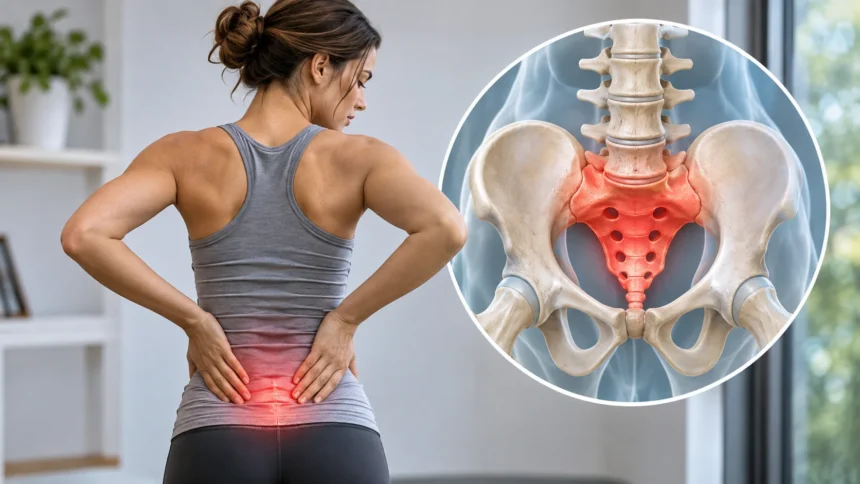
The human spine contains several important bones that support movement, balance, and everyday activities. One of these structures is the sacrum, a triangular bone located at the base of the spine. Although many people are unfamiliar with its name, the sacrum plays an essential role in connecting the upper body to the pelvis.
Understanding what is a sacrum can help you learn more about spinal anatomy, pelvic stability, and common causes of lower back discomfort. This bone supports body weight, protects important nerves, and contributes to normal movement. In this guide, you will discover where the sacrum is located, how it works, and what conditions can affect it.
What Is a Sacrum?
The sacrum is a large, triangular bone located at the bottom of the spine, between the two hip bones. It forms part of the pelvic structure and connects the lumbar spine to the coccyx, commonly called the tailbone. This bone helps transfer body weight from the upper body into the pelvis. Its strong structure provides stability during standing, walking, and other activities.
In most adults, the sacrum consists of five vertebrae that have gradually fused together. These vertebrae are identified as S1, S2, S3, S4, and S5. During childhood, they begin as separate segments connected by cartilage. Fusion generally progresses through adolescence and early adulthood, creating a strong bone that supports the lower portion of the spinal column.
The sacrum also contains openings that allow important nerves to travel between the spinal canal and surrounding areas. These nerves contribute to sensation, muscle control, and several pelvic functions. Because the sacrum connects major skeletal structures, problems affecting it may influence movement and comfort. Understanding its anatomy provides a useful foundation for recognizing related conditions.
Where Is the Sacrum Located in the Human Body?
The sacrum sits in the lower back region, directly below the fifth lumbar vertebra and above the coccyx. It is positioned between the left and right hip bones, forming the back portion of the pelvic ring. Its broad upper section faces toward the lumbar spine, while its narrow lower end points downward. This arrangement helps connect the spine and pelvis.
You can understand the sacrum location by imagining the area just above the tailbone and between the upper parts of the buttocks. The bone lies beneath layers of skin, ligaments, and muscles that support the lower back. Although it is not completely visible, its position influences the shape and structure of the lower back and pelvis.
The sacrum forms connections with several surrounding structures, including the lumbar spine, coccyx, and both sides of the pelvis. These connections help maintain stability when the body changes position. Whether you are sitting, standing, or walking, the sacrum participates in transferring forces through the skeleton. Its location makes it important for coordinated lower-body movement.
Sacrum Anatomy: Structure and Main Parts
The sacrum anatomy includes several distinct surfaces, openings, and bony features. Its upper section, called the base, connects with the fifth lumbar vertebra. The lower pointed section, known as the apex, joins the coccyx. The sacrum also has front and back surfaces that provide attachment points for ligaments and other supporting structures.
The front surface, called the pelvic surface, is relatively smooth and curves inward. It contains four pairs of anterior sacral foramina, which allow branches of sacral spinal nerves to pass through. The back surface is rougher and contains ridges formed by fused vertebral structures. Four pairs of posterior sacral foramina provide passages for posterior nerve branches.
Another important feature is the sacral canal, which continues downward from the vertebral canal. It contains sacral nerve roots and associated structures rather than the spinal cord itself in adults. Near its lower end, the canal opens through an area called the sacral hiatus. Understanding these features helps explain how the sacrum supports and protects important nervous structures.
How Does the Sacrum Connect to the Spine and Pelvis?
The sacrum forms an important connection between the spinal column and the pelvic bones. At its upper end, it meets the fifth lumbar vertebra at the lumbosacral joint. This region helps transfer loads from the spine toward the pelvis. Strong ligaments and surrounding muscles support the connection and contribute to stability during everyday activities.
On both sides, the sacrum connects with the ilium, which forms a large part of each hip bone. These connections are called the sacroiliac joints, commonly abbreviated as SI joints. They allow small amounts of movement while transferring forces between the spine and lower limbs. Their stability is especially important during standing, walking, and lifting.
At the bottom, the sacrum joins the coccyx through the sacrococcygeal joint. This connection contributes to the structure of the lower pelvis and provides attachment areas for surrounding tissues. Together, these joints create a strong relationship between the spine and pelvic ring. Their coordinated function supports posture, balance, and efficient movement throughout daily life.
What Is the Main Function of the Sacrum?
One of the most important sacrum functions is transferring body weight from the upper body into the pelvis. When a person stands, forces travel through the lumbar spine into the sacrum and surrounding pelvic structures. These forces then continue toward the hip joints and lower limbs. The sacrum’s shape and strong connections help manage these loads.
The sacrum also provides attachment points for ligaments and muscles that help stabilize the spine and pelvis. Structures around the sacrum contribute to movement control, balance, and posture. For example, the piriformis muscle attaches partly to the front of the sacrum. These connections allow the lower back and pelvis to work together during physical activity.
Another essential function involves providing pathways and protection for sacral nerve roots. These nerves contribute to movement and sensation in parts of the lower body and support important pelvic functions. The sacrum’s anatomical openings allow nerve branches to reach nearby tissues. Therefore, its role extends beyond skeletal support to the healthy functioning of connected nervous structures.
Understanding Sacral Nerves and Their Functions
The sacral region contains important nerve roots associated with the lower portion of the spinal column. These nerves emerge through openings in and around the sacrum and connect with larger nerve networks. They help carry signals between the nervous system and different body areas. Their functions include movement, sensation, and control of certain pelvic organs.
Some sacral nerve branches contribute to the sacral plexus, a network involved in supplying the pelvis and lower limbs. The sciatic nerve receives contributions from this network and helps control several leg and foot movements. Other nerves provide sensation to parts of the pelvic region. This explains why certain nerve problems can cause symptoms beyond the lower back.
Sacral nerves also contribute to bladder, bowel, and pelvic floor functions through specialized nerve pathways. These processes involve coordination between muscles, organs, and the nervous system. Injuries or conditions affecting these pathways may interfere with normal function. Sudden bladder or bowel control changes combined with back pain require urgent medical assessment because they can indicate serious nerve compression.
Sacrum vs. Coccyx: What Is the Difference?
The sacrum and coccyx are neighboring bones, but they have different structures and functions. The sacrum is larger and forms a major connection between the spine and pelvis. The coccyx is a smaller structure positioned directly beneath it. Both develop from vertebral segments that typically fuse as a person matures, although their shapes and arrangements differ.
The sacrum usually contains five fused vertebrae, while the coccyx commonly develops from four segments. The coccyx provides attachment points for ligaments, muscles, and other pelvic floor structures. It also contributes to support during sitting. However, it does not transfer upper-body weight into the pelvis in the same way as the sacrum.
Pain near the lower spine can sometimes make it difficult to distinguish between sacral and coccygeal problems. Tailbone discomfort is often more noticeable while sitting or moving from sitting to standing. Sacral discomfort may involve a broader area near the back of the pelvis. A healthcare professional can help identify the actual source when symptoms persist.
What Causes Pain in the Sacrum?
Sacrum pain can develop from several conditions affecting the lower back, pelvis, and surrounding tissues. One possible cause is sacroiliac joint dysfunction, which involves painful or altered movement around the connection between the sacrum and hip bones. This discomfort may affect one or both sides of the lower back. Symptoms can sometimes extend into the buttocks or upper legs.
Muscle strain and ligament irritation may also cause discomfort around the sacral region. Repeated lifting, sudden movements, or unfamiliar physical activity can place additional stress on nearby tissues. In some cases, problems involving lumbar discs or nerves cause pain that is felt near the sacrum. The location of discomfort alone cannot reliably identify the underlying condition.
Other possible causes include sacral fractures, inflammatory conditions, and stress injuries. Falls or direct trauma can damage the sacrum, while reduced bone strength may increase fracture risk in some individuals. Inflammatory disorders can also affect the sacroiliac joints. Because causes vary significantly, persistent or worsening pain should be evaluated rather than automatically attributed to muscle strain.
Common Symptoms of Sacral Problems
Symptoms involving the sacrum often include discomfort around the lower back, upper buttocks, or back of the pelvis. The pain may feel dull, aching, or sharp depending on its underlying cause. Some people experience symptoms mainly during movement, while others notice discomfort after remaining in one position. Pain patterns alone do not confirm a specific diagnosis.
Certain sacral or nearby joint conditions may cause stiffness and reduced comfort during everyday activities. Walking, bending, climbing stairs, or standing for extended periods can aggravate symptoms in some cases. Pain may also spread toward the hip or thigh. However, similar symptoms can arise from several other conditions involving muscles, joints, or nerves.
Numbness, tingling, or weakness may occur when nearby nerve structures are affected. New leg weakness, numbness around the groin or saddle area, or changes in bladder or bowel control are warning signs requiring emergency assessment. Severe pain after an injury also needs prompt attention. Recognizing these symptoms helps people seek appropriate care when problems may be more serious.
How Are Sacral Problems Diagnosed?
Diagnosing sacral pain usually begins with a medical history and physical examination. A healthcare professional may ask about the location, duration, and intensity of discomfort. Questions about recent injuries, physical activities, existing conditions, and associated symptoms can provide useful clues. Understanding how pain changes with movement or rest may also help guide the examination.
During a physical examination, a clinician may assess posture, movement, muscle strength, sensation, and areas of tenderness. Specific tests can help determine whether the sacroiliac joints or surrounding structures may be contributing to symptoms. However, no single movement test confirms every sacral condition. Findings must be considered alongside the person’s medical history and overall presentation.
Imaging tests may be recommended when fractures, inflammatory conditions, or other structural problems are suspected. X-rays can show certain bone abnormalities, while CT or MRI scans may provide additional information when clinically necessary. Not everyone with lower back pain requires imaging. The decision depends on symptoms, examination findings, medical history, and the possibility of serious underlying conditions.
Treatment Options for Sacrum Pain and Discomfort
Treatment for sacral pain depends on the underlying cause rather than the location of discomfort alone. Mild muscle-related pain may improve with temporary activity modification and a gradual return to normal movement. Physical therapy can help some people improve strength, mobility, and movement control. However, treatment plans should reflect individual symptoms and any diagnosed medical conditions.
When sacroiliac joint problems contribute to discomfort, treatment may include guided exercises and other conservative approaches. A healthcare professional may also recommend suitable pain relief options after considering personal medical circumstances. More serious conditions, including fractures or certain nerve problems, require different management. Persistent symptoms should not be treated indefinitely without understanding their likely cause.
Rest alone is not always the best long-term solution for uncomplicated lower back discomfort. Gentle, tolerable movement may help maintain normal function while symptoms improve. However, strenuous exercise or activities that worsen pain should be modified until the problem is assessed. Following individualized medical advice helps reduce unnecessary setbacks and supports a safer recovery process.
How to Keep Your Sacrum and Lower Back Healthy
Maintaining strength and comfortable movement around the hips, abdomen, and lower back can support the structures surrounding the sacrum. Regular physical activity helps maintain muscle function and general mobility. Walking, gentle strengthening exercises, and suitable flexibility activities may be useful for many people. Exercise selection should reflect individual fitness levels, comfort, and existing health conditions.
Everyday movement habits can also influence comfort around the lower spine and pelvis. When lifting objects, keeping the load close and using a controlled movement can help manage physical demands. Changing positions during long periods of sitting may reduce stiffness for some people. No single posture is perfect for everyone, so comfortable movement variety is generally more practical.
Bone health also matters because the sacrum must tolerate forces during daily activities. Adequate nutrition, regular appropriate weight-bearing activity, and management of conditions affecting bone strength can support skeletal health. People with osteoporosis or previous fractures may need specific medical guidance. Maintaining general physical health helps protect the spine, pelvis, and surrounding tissues throughout life.
Conclusion
The sacrum is a triangular bone located at the base of the spine, connecting the lumbar region with the pelvis and tailbone. It usually forms through the fusion of five sacral vertebrae and provides important structural support. Its main functions include transferring body weight, stabilizing the pelvis, and providing pathways for nerves. These roles make it an essential part of human anatomy.
Understanding what is a sacrum also helps explain why pain in the lower back and pelvic region can have several different causes. Sacroiliac joint problems, muscle strain, fractures, and nerve-related conditions may produce symptoms near this area. However, discomfort does not always originate from the sacrum itself. Proper assessment is important when symptoms persist, worsen, or involve warning signs.
Keeping the sacrum and surrounding structures healthy involves regular movement, appropriate strengthening, and attention to overall bone health. Simple daily habits can support comfortable movement and spinal function. When significant pain or unusual neurological symptoms occur, medical evaluation is important. Knowing the sacrum’s anatomy and function can help you better understand your body and recognize when professional care is needed.
Frequently Asked Questions
What is the sacrum in simple terms?
The sacrum is a triangular bone at the bottom of the spine, between the hip bones. It connects the lower spine to the pelvis and helps support body weight during standing and movement.
Where is the sacrum located in the body?
The sacrum sits at the base of the spine, below the lumbar vertebrae and above the tailbone. It forms the back portion of the pelvis between the left and right hip bones.
What is the main function of the sacrum?
The sacrum transfers body weight from the spine into the pelvis, provides stability, and supports important ligaments and muscles. It also contains openings that allow sacral nerve branches to reach surrounding body structures.
What causes pain in the sacrum area?
Pain near the sacrum may result from sacroiliac joint problems, muscle strain, injuries, fractures, or nearby nerve conditions. A medical examination can help determine the cause when discomfort persists or becomes severe.
Is the sacrum the same as the tailbone?
No, the sacrum and tailbone are separate bones. The sacrum is a larger triangular structure connecting the spine and pelvis, while the smaller tailbone, or coccyx, sits directly below it.