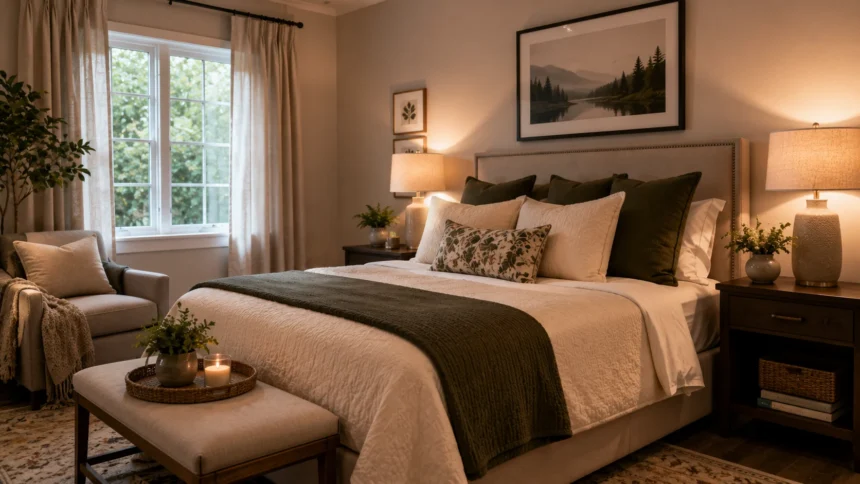
Guest Room Decor Ideas Your Visitors Will Love
A well-designed guest room does more than give visitors a place to sleep. It creates a sense of comfort, privacy, and welcome that can make an overnight stay feel thoughtful instead of temporary. The best guest room decor ideas balance style with practical details, so the room looks beautiful while still giving guests everything they need. Even a simple space can feel special when it is organized, comfortable, and intentionally prepared.
Guest bedrooms often serve more than one purpose, especially in smaller homes. The room may also function as a home office, reading room, storage area, or hobby space when no one is visiting. That makes flexible furniture, smart storage, layered lighting, and easy-to-maintain decor particularly useful. A successful guest room should transition easily between everyday use and visitor-ready comfort without requiring a complete redesign each time.
Current guest room design trends favor warm neutrals, natural textures, hotel-inspired bedding, layered lighting, multifunctional furniture, and subtle personal touches. These elements create a calm atmosphere without making the room feel overly staged. Rather than filling every surface with decoration, the focus should be on comfort, convenience, and visual balance. Guests usually appreciate practical thoughtful details more than an elaborate design that leaves little room for their belongings.
Whether you are decorating a dedicated spare bedroom or creating a flexible guest space in a smaller home, the right choices can make visitors feel genuinely at ease. This guide covers stylish guest bedroom ideas, bedding, storage, lighting, color schemes, furniture, wall decor, and practical hosting details. The goal is to help you create a welcoming room that feels polished, useful, and comfortable from the moment your guests arrive.
Start With a Calm and Welcoming Guest Room Layout
The layout should make it easy for guests to move around the room without navigating around unnecessary furniture. Start with the bed, since it will usually be the largest piece, and place it where there is enough space to approach comfortably. Clear pathways from the door to the bed, closet, and bathroom access help the room feel organized. Good circulation also makes even a compact guest bedroom appear more spacious.
Think about what visitors will need during their stay and position furniture accordingly. A bedside table should be close enough for a phone, glasses, or a glass of water, while a luggage rack or bench should be easy to reach without blocking the walkway. If the room includes a desk or chair, keep it far enough from the sleeping area that the space does not feel cramped. The goal is to create zones that feel natural rather than crowded.
Avoid using the guest room as overflow storage immediately before visitors arrive. Boxes, unused furniture, and household items can make the room feel like a temporary storage area instead of a welcoming bedroom. Closed cabinets or under-bed storage can hide items that must remain in the room. Removing visible clutter creates breathing space and makes the room feel more intentional and relaxing.
Before decorating, stand in the doorway and assess the overall view of the room. The bed should ideally create a strong focal point, with balanced furniture and decor supporting it rather than competing for attention. A simple layout often works better than one packed with accessories. Guests benefit from having open floor area, clear surfaces, and enough room to unpack without feeling like they are intruding on your belongings.
Choose a Comfortable Bed as the Main Focus
The bed is the most important element in any guest bedroom because sleep quality will influence how visitors feel about their stay. Choose the most comfortable mattress that fits both the room and your budget. A full, queen, or king bed can work in larger rooms, while smaller bedrooms may benefit from a twin setup, daybed, or compact sleeper option. Comfort should come before decorative appearance.
Support the mattress with a stable bed frame that suits the scale of the space. An oversized headboard can overwhelm a small room, while a low-profile frame can create a more open feeling. Upholstered headboards add softness and hotel-inspired comfort, while wood designs can bring warmth and natural texture. The best option should coordinate with the overall guest room decor without reducing valuable floor space.
If your guest room serves multiple functions, consider a daybed, Murphy bed, or high-quality sofa bed. These flexible options can free up space when visitors are not staying. However, test the sleeping surface before relying on it for regular guests, because convenience should not come at the cost of comfort. Adding a supportive mattress topper can improve many convertible sleeping arrangements.
Make the bed easy for guests to use without complicated decorative styling. Too many throw pillows or tightly layered blankets may look impressive but create unnecessary work when someone is ready to sleep. A few carefully chosen pillows and one folded throw are usually enough. A clean, comfortable, and inviting bed makes a stronger impression than an overly decorated arrangement that sacrifices practicality.
Use Layered Bedding for a Hotel-Inspired Feel
Layered bedding can instantly make a guest room feel polished and comfortable. Start with fresh fitted and flat sheets, followed by a breathable duvet, quilt, or comforter that suits the season. Adding a lightweight blanket gives guests another option if they prefer a different sleeping temperature. This layered approach helps visitors adjust the bed without needing to ask for additional bedding.
Choose fabrics that feel comfortable against the skin and are easy to wash between visits. Cotton, linen blends, and other breathable materials work particularly well because they feel fresh and are suitable for different seasons. Keep bedding colors relatively coordinated so the room appears calm and intentional. Neutral shades can be refreshed easily with decorative cushions or throws.
Provide more than one type of pillow if possible. Some guests prefer firm support, while others sleep better with softer pillows. Keeping two different pillow options on the bed can improve comfort without requiring extra furniture or space. Hypoallergenic options may also be useful for visitors who are sensitive to certain fillings or materials.
Avoid making the bed so decorative that guests are unsure what they can use. Decorative cushions should be limited and easy to remove, while spare blankets can be stored neatly in a basket or closet. The best guest room bedding looks attractive when the room is empty but remains simple and practical when someone actually stays there.
Pick a Relaxing Guest Room Color Palette
Color plays a major role in how calm or energetic a guest bedroom feels. Soft neutrals such as warm white, cream, beige, greige, and muted taupe create a versatile foundation that most visitors will find comfortable. These colors also reflect light well and make smaller guest rooms feel brighter. A neutral background allows you to update the space easily with textiles and accessories.
Muted blues, sage greens, dusty rose, and warm earthy tones can add personality without making the room visually overwhelming. These shades work well because they create interest while still supporting a restful atmosphere. Use them on an accent wall, bedding, curtains, or decorative pieces rather than applying several strong colors throughout the entire space.
Dark colors can work beautifully in guest rooms when used thoughtfully. Deep green, navy, charcoal, or chocolate brown can make a room feel cozy and sophisticated, especially when balanced with lighter bedding and good lighting. Smaller rooms do not always need to avoid dark shades, but contrast and illumination become more important when deeper colors are used.
Before painting, test colors under the room’s natural and artificial lighting. A shade that looks warm in daylight may appear much cooler at night, while some neutrals change noticeably depending on the direction of the windows. Choosing a color that remains pleasant throughout the day helps the guest bedroom feel consistent and comfortable during both daytime and evening use.
Add Bedside Tables With Useful Essentials
Bedside tables give guests a convenient place for personal items they want to keep nearby. Even a small table can hold a phone, glasses, medication, a book, or a glass of water. If there is room on both sides of the bed, matching or coordinating tables can create visual balance. In tighter spaces, one table is still better than none.
Choose bedside furniture that provides useful storage without feeling bulky. A small drawer can hide chargers, tissues, or miscellaneous items, while an open shelf can hold books or a basket. Floating bedside tables are particularly useful in compact rooms because they keep the floor visually open. Slim stools or small round tables can also work when traditional nightstands are too large.
Add a few practical items without covering the surface completely. A small lamp, water carafe, coaster, and perhaps a simple decorative object are usually enough. Leave open space so visitors can place their own belongings comfortably. A beautifully styled nightstand becomes inconvenient if guests have to move several objects just to set down their phone.
Consider including easy access to charging. A bedside outlet, extension with USB ports, or discreet charging station can make a guest room significantly more convenient. Visitors often travel with phones, smartwatches, tablets, or laptops, so accessible power is a practical detail they will notice and appreciate during their stay.
Layer Lighting for a Comfortable Guest Room
A guest room should have more than one source of light because visitors use the space for different activities. Overhead lighting provides general illumination, while bedside lamps support reading and relaxing. Accent lighting can make the room feel warmer in the evening. Layering these sources creates flexibility and prevents guests from relying on one harsh ceiling fixture.
Bedside lamps should be easy to reach from the bed. Guests should not need to cross a dark room to turn off the light before sleeping. Wall-mounted sconces or plug-in reading lights can work well when nightstand space is limited. Adjustable fixtures are especially useful because visitors can direct the light according to their personal preference.
Choose bulbs that create comfortable illumination rather than extremely bright or cold light. Warm or balanced tones generally work well in bedrooms because they create a calmer atmosphere. Task areas such as a desk or vanity may need slightly brighter lighting. Providing multiple options allows guests to adjust the room to suit their needs.
Natural light should also be considered as part of the lighting plan. Keep windows unobstructed during the day, but provide curtains, blinds, or shades for privacy and sleep. A combination of light-filtering and blackout options can be especially useful. Guests can enjoy daylight when they want it and create a darker room when resting.
Use Blackout Curtains for Better Sleep
Blackout curtains can make a noticeable difference in guest comfort, particularly for visitors who are sensitive to early morning light. They are also helpful in rooms facing streetlights, neighboring buildings, or busy urban areas. A darker sleeping environment gives guests more control over their rest and makes the room feel thoughtfully prepared for overnight stays.
Choose curtains that coordinate with the overall color palette rather than treating them purely as a practical addition. Neutral linen-look panels, muted colors, or simple patterns can add softness to the room while providing privacy. Hanging curtains higher and wider than the window frame can also make the ceiling feel taller and the window appear larger.
Layering blackout curtains with sheer panels offers more flexibility. During the day, guests can close the sheer layer for privacy while still allowing natural light into the room. At night, the heavier curtains can block external light more effectively. This layered treatment creates a polished appearance while improving everyday usability.
Check that curtains close completely without leaving large gaps at the sides or center. Even a high-quality blackout fabric may perform poorly if the installation allows light around the edges. Proper sizing and placement make the biggest difference. A well-fitted window treatment improves both sleep quality and the overall finished appearance of the guest bedroom.
Give Guests Enough Storage Space
Guests need somewhere to place clothing, luggage, shoes, and personal belongings during their stay. Even if the visit is short, a completely full closet or dresser can make the room feel inconvenient. Clear at least part of the wardrobe, provide several empty hangers, and make one or two drawers available whenever possible.
If the room does not have a closet, a freestanding garment rack can provide a simple alternative. Slim designs take up relatively little floor space and allow guests to hang coats, dresses, or work clothing. Hooks placed behind the door or on an empty wall can also hold jackets, bags, or robes without requiring large furniture.
A luggage rack or bench is another useful addition because it keeps suitcases off the floor and bed. Folding luggage racks can be stored away when they are not needed, making them ideal for multipurpose guest rooms. A sturdy bench at the foot of the bed can provide both luggage space and extra seating.
Avoid using every storage area for household overflow. Guests should not feel they need to rearrange your belongings before unpacking. Even a small amount of dedicated empty storage communicates that the room has genuinely been prepared for them. This practical detail can make a modest guest bedroom feel much more comfortable and considerate.
Add a Luggage Rack or Bench
A luggage rack gives visitors a designated place to open their suitcase without placing it on clean bedding or bending down to the floor. It is one of the simplest additions to a guest room and can make packing and unpacking considerably easier. Foldable racks are especially useful because they can be stored when the room is being used for another purpose.
A bench can provide the same basic function while adding more decorative value. Place it at the foot of the bed or along an empty wall if space allows. Upholstered benches create softness, while wooden designs can introduce natural texture. Some benches also include hidden storage for spare bedding, towels, or seasonal household items.
Scale is important in a smaller guest room. A large bench can make the space feel cramped if there is not enough clearance around the bed. Measure the remaining walkway before purchasing one. If the room is tight, a compact stool or folding luggage stand may provide the same practical benefit without taking up as much visual or physical space.
Keep the surface mostly clear before guests arrive. Decorative baskets or cushions can make a bench look attractive, but visitors should not need to move several objects before using it. Guest room decor works best when practicality remains visible. A functional piece that looks stylish and is immediately usable provides more value than decoration alone.
Create a Small Seating Area
If the guest room has enough space, a chair can make the room significantly more comfortable. Visitors may want somewhere to read, put on shoes, make a phone call, or relax without sitting on the bed. A small accent chair can create this flexibility without requiring a large seating arrangement.
Choose a chair with proportions that suit the room. Slim upholstered chairs, compact armchairs, or simple wooden designs can provide comfort without dominating the space. Place the chair near a window or floor lamp if possible to create a natural reading corner. Adding a small side table can make the setup even more useful.
In compact guest rooms, a bench or stool may replace a full chair. These pieces can provide temporary seating while also serving as luggage support or storage. Multifunctional furniture is particularly valuable when the room has limited square footage or serves another purpose between visits.
Keep the seating area visually connected to the rest of the room. Repeat a color from the bedding, rug, or artwork so the chair feels intentional rather than added as an afterthought. A small seating area can make the guest bedroom feel more like a private retreat and less like a space designed only for sleeping.
Decorate Guest Room Walls Without Overdoing It
Wall decor can add personality without taking up floor or surface space. A large artwork above the bed often creates a clean focal point and can set the color palette for the entire room. Landscapes, abstract prints, botanical artwork, and photography are versatile choices because they create visual interest without feeling overly personal.
Gallery walls can also work when they remain relatively simple. Use coordinated frames or artwork with a shared color scheme to keep the display cohesive. In a guest room, fewer larger pieces often create a calmer feeling than many small images. The aim is to make the space interesting without creating visual noise around the sleeping area.
Mirrors are useful because they provide both decoration and function. A full-length mirror gives guests somewhere to check their appearance, while a larger wall mirror can reflect light and make a compact room feel more open. Position mirrors where they are convenient without creating awkward reflections from the bed.
Avoid covering every available wall with artwork, shelves, and accessories. Empty wall space helps the room feel restful and allows decorative pieces to have more impact. A guest bedroom should feel finished but not overly curated. A few intentional wall elements usually create a more sophisticated result than filling every surface.
Use Mirrors to Make the Guest Room Feel Bigger
Mirrors are particularly effective in smaller guest bedrooms because they reflect light and create a sense of visual depth. A large mirror positioned opposite or near a window can brighten the room and make it appear more open. This simple technique works especially well in guest rooms with limited natural light or narrow dimensions.
A full-length mirror is also highly practical for visitors. Place one on an empty wall, behind the door, or leaning securely in a corner if the layout allows. Guests preparing for work, events, or sightseeing will appreciate having a mirror large enough to see an entire outfit rather than relying only on a small bathroom mirror.
Choose a frame that complements the rest of the decor. Wood can add warmth, metal can create a more modern look, and simple frameless mirrors can blend into minimalist spaces. The mirror should support the room’s style without becoming overly decorative or difficult to maintain.
Pay attention to what the mirror reflects. A view of the window, artwork, or an attractive part of the room can enhance the effect, while reflecting clutter may make the space feel busier. Thoughtful placement ensures the mirror improves both functionality and visual balance.
Add a Rug for Warmth and Comfort
A rug can make a guest room feel softer, warmer, and more finished, particularly when the floor is hardwood, laminate, or tile. It also provides a comfortable surface when visitors step out of bed. Choosing the right size helps anchor the bed and furniture so the room feels cohesive rather than fragmented.
In larger rooms, position the rug beneath the bed so it extends beyond both sides and the foot. This creates a balanced frame around the sleeping area. In smaller rooms, runners placed along each side of the bed can provide comfort without requiring a large rug that covers most of the floor.
Choose a pattern and color that support the overall guest room palette. Subtle patterns can hide everyday wear while adding visual interest, and textured neutral rugs can create warmth without competing with bedding or artwork. Highly detailed patterns may work best when the rest of the room is relatively simple.
Practicality matters because guest room rugs should be easy to clean and maintain. Low- or medium-pile designs are often easier to vacuum and less likely to interfere with luggage or furniture movement. A rug should improve the atmosphere without creating extra maintenance or becoming a trip hazard.
Add Natural Textures for a Cozy Feeling
Natural textures can make a guest bedroom feel warmer without requiring strong colors or excessive decoration. Materials such as wood, linen, cotton, wool, rattan, and woven fibers introduce subtle variation and depth. These elements work particularly well with neutral guest room decor because they prevent light palettes from feeling flat or sterile.
Use texture through bedding, curtains, rugs, baskets, furniture, and small accessories. A linen duvet, knitted throw, woven basket, and wooden bedside table can create a layered look while remaining visually calm. The materials do not need to match exactly as long as their colors and proportions feel connected.
Avoid adding too many different textures at once. A room filled with highly patterned fabrics, rough surfaces, shiny metals, and multiple woven materials can become visually overwhelming. Select a few recurring textures and repeat them throughout the space. This creates cohesion while still making the guest bedroom feel rich and comfortable.
Natural materials also help create a timeless look that is easier to update than trend-heavy furniture. Changing cushions, artwork, or small accessories can refresh the room while foundational pieces remain relevant. This makes texture a useful strategy for creating a stylish guest room that does not need constant redecorating.
Bring in Plants for a Fresh Look
Plants can make a guest room feel more welcoming by adding natural color and softness. A small plant on a dresser, nightstand, or shelf can bring life to the room without taking up much space. Larger plants can fill an empty corner and create visual height when the layout allows.
Choose low-maintenance plants that suit the room’s light conditions. Guests should not need to worry about caring for delicate greenery during their stay. Plants that tolerate occasional changes in watering schedules are usually better choices for rooms that may remain unused for several days or weeks at a time.
Avoid placing too many plants around the bed or on surfaces guests need to use. One or two well-positioned plants are often enough to create the desired effect. Keeping the room relatively uncluttered also makes it easier to clean thoroughly before visitors arrive.
Artificial plants can provide a similar decorative benefit when natural light is limited or maintenance is inconvenient. Choose realistic designs and use them sparingly. The goal is to introduce freshness and texture without making the room feel like an indoor garden that competes with functional space.
Keep Guest Room Decor Personal but Neutral
A guest room should feel connected to the rest of your home without becoming so personal that visitors feel they are sleeping in someone else’s private bedroom. Use artwork, colors, and decorative pieces that reflect your style while maintaining a relatively neutral atmosphere. This balance makes the room welcoming to different kinds of guests.
Family photographs can be used selectively, but avoid covering the room with highly personal images or memorabilia. Guests may feel more comfortable when the bedroom has its own identity rather than appearing like a repurposed family space. Landscapes, abstract art, books, and natural objects often create a more universally inviting environment.
You can add personality through interesting lamps, handmade ceramics, textiles, vintage furniture, or locally inspired artwork. These details make the guest room memorable without making it overwhelming. A space that feels thoughtfully collected tends to be more appealing than one decorated entirely with generic matching pieces.
Leave enough empty space for guests to temporarily make the room their own. Clear shelves, drawers, and surfaces allow them to place personal belongings comfortably. A guest bedroom should communicate hospitality rather than perfection. The best rooms feel stylish while still giving visitors room to settle in.
Create a Guest Room and Home Office Combination
Many homes cannot dedicate an entire room exclusively to visitors, so combining a guest bedroom with a home office can be practical. The key is making sure neither function completely overwhelms the other. A compact desk, flexible sleeping arrangement, and closed storage can help the room transition easily between work and hosting.
Place the desk in a location that does not interfere with access to the bed. A slim writing desk beneath a window or along an empty wall often works well. Keep work equipment organized so laptops, papers, and cables can be stored quickly when guests arrive. Closed cabinets are especially useful for creating a cleaner overnight environment.
A daybed, Murphy bed, or sleeper sofa can free valuable floor space when the room is primarily used as an office. Choose a sleeping option that remains genuinely comfortable for overnight guests. If visitors stay frequently, a permanent bed may still be worth the space even if the office becomes slightly more compact.
Use a consistent color palette so the office and guest functions feel like part of the same room. Avoid creating one side that looks corporate and another that feels completely unrelated. Coordinated furniture, lighting, and textiles help the dual-purpose room remain polished regardless of how it is being used.
Make a Small Guest Room Feel More Spacious
Small guest rooms can feel comfortable when furniture is carefully scaled to the available space. Choose a bed and bedside tables that leave enough room for movement instead of filling the room from wall to wall. Furniture with visible legs can make the floor appear more open and prevent the space from feeling visually heavy.
Use light colors and simple patterns to create an airy foundation. Warm whites, pale neutrals, and muted shades reflect light and can make the room feel more open. This does not mean the space must be entirely light, but using darker colors in controlled accents usually creates better balance in a very compact bedroom.
Vertical space can provide storage and decoration without consuming floor area. Floating shelves, wall-mounted lighting, hooks, and tall narrow cabinets can keep the room functional. Hanging curtains close to the ceiling can also emphasize height and make the proportions feel more generous.
Keep surfaces relatively clear and limit the number of decorative objects. Small rooms become crowded quickly when every shelf and table is filled. One large artwork or mirror, a simple bedside lamp, and a few thoughtful accessories may create more impact than many small decorations competing for attention.
Provide a Simple Guest Welcome Station
A small welcome station can make visitors feel immediately comfortable without requiring elaborate preparation. Use a tray, basket, or section of the dresser to hold a few useful items. Bottled water or a refillable carafe, tissues, a small snack, and basic information about the home can help guests settle in independently.
Consider including the Wi-Fi name and password somewhere easy to find. Writing it on a small card or placing it inside a simple guest information note prevents visitors from needing to ask repeatedly. You may also include basic details such as where extra towels are kept or how to operate unfamiliar lighting or heating controls.
A spare phone charger or multi-port charging cable can be particularly helpful. Travelers often forget accessories or bring several devices that need power overnight. Providing one shared charging solution reduces inconvenience while keeping cords organized. Place it near the bed or desk where it is easy to use.
Keep the welcome station compact so it does not make the room feel like a hotel minibar. A few thoughtful essentials are enough to communicate hospitality. Visitors usually appreciate convenience more than quantity, and leaving some empty surface space allows them to organize their own belongings.
Stock Practical Guest Room Essentials
Beyond decor, practical supplies can make a guest room noticeably more comfortable. Provide clean towels, spare bedding, tissues, a wastebasket, and basic hangers before visitors arrive. These essentials allow guests to settle in without needing to ask where common items are stored, giving them greater privacy and independence.
An extra blanket should be easy to find because temperature preferences vary considerably. Store one in a basket, closet, or bench where guests can reach it without searching through personal household storage. A lighter blanket can also be useful in warmer weather when a full duvet feels unnecessary.
Consider small items that travelers commonly forget, such as a toothbrush, toothpaste, or basic toiletries. You do not need to create a fully stocked hotel bathroom, but keeping a few unopened essentials available can be helpful. Place them in a drawer or basket rather than cluttering visible surfaces.
A wastebasket is another simple item that is frequently overlooked in guest bedrooms. Place one somewhere visible but discreet so guests do not have to carry small rubbish through the house. Practical details like these rarely become the main feature of the room, but they significantly improve how comfortable and prepared the space feels.
Make the Guest Room Smell Fresh Without Overpowering It
A clean room should smell fresh rather than strongly perfumed. Before guests arrive, wash bedding, empty the wastebasket, dust surfaces, and allow fresh air into the room when weather permits. Good ventilation and cleanliness usually create a more comfortable environment than trying to cover odors with intense fragrance.
If you want to add scent, keep it subtle. A lightly scented candle that remains unlit, a mild diffuser, or fresh flowers can create a pleasant atmosphere. Avoid extremely strong room sprays or heavily fragranced bedding because some visitors may have sensitivities or simply prefer unscented spaces.
Do not rely on fragrance to solve moisture, mildew, or ventilation problems. Persistent odors should be investigated and addressed directly. A guest room that stays closed for long periods may benefit from regular airing and moisture management so it remains fresh between visits.
Unscented options are often the safest choice when you do not know your guests’ preferences. Freshly laundered linens, clean surfaces, and good airflow can make the room feel inviting without introducing fragrance. Hospitality is about making visitors comfortable, and that includes avoiding unnecessary sensory distractions.
Add Thoughtful Touches Without Creating Clutter
Small personal touches can make a guest room feel warm and considered. A few books, fresh flowers, a framed print, or a simple tray can show that the space has been prepared intentionally. These details are most effective when they complement the room rather than filling every available surface.
Choose decorative pieces that do not need to be moved for everyday use. A visitor should not have to clear several cushions before sitting down or relocate objects before opening a suitcase. Decor that creates inconvenience can undermine the welcoming atmosphere you are trying to build.
Books can be particularly useful because they provide both decoration and entertainment. Select a small mix of fiction, travel, local interest, or general reading rather than filling the room with highly specialized titles. Place them on a shelf or bedside table where guests can browse easily.
Think about the visitor experience from arrival through departure. A clear surface for keys, a hook for a bag, accessible lighting, and extra bedding may feel more thoughtful than expensive accessories. The strongest guest room design choices usually combine visual appeal with a practical benefit.
Use Budget-Friendly Guest Room Decor Ideas
Creating an attractive guest room does not require a large budget. Start by improving the layout and removing unnecessary clutter before purchasing anything new. Rearranging existing furniture, washing curtains, changing bedding, and clearing storage space can transform the room with very little expense.
Textiles are an affordable way to update the look. New cushion covers, a throw, curtains, or a rug can introduce color and texture without replacing major furniture. Choose pieces that coordinate with existing bedding and wall colors so the room feels intentionally styled rather than assembled from unrelated items.
Secondhand furniture can also work extremely well in guest bedrooms. Bedside tables, mirrors, lamps, dressers, and benches can often be found at lower prices and refreshed with paint or new hardware. Mixing vintage and modern elements may actually give the room more personality than buying an entire matching furniture set.
Spend more on comfort where possible. A supportive mattress, quality pillows, clean bedding, and good lighting will affect the guest experience more than decorative accessories. Once the functional basics are in place, inexpensive styling details can be added gradually to create a polished and welcoming finished room.
Give the Guest Room a Luxury Hotel Feel
A luxury-inspired guest room does not require expensive designer furniture. The feeling usually comes from clean bedding, balanced lighting, uncluttered surfaces, thoughtful symmetry, and practical amenities. Making the room feel deliberately prepared can create a more luxurious impression than simply filling it with costly decorative objects.
Start with the bed and use coordinated sheets, pillows, and a simple cover or duvet. Keep the arrangement neat but comfortable. Matching bedside lamps, if space permits, can create visual balance and provide convenient lighting for two guests. A bench or luggage rack can further enhance the hotel-inspired experience.
Add small hospitality details such as water, a charging station, fresh towels, and clear Wi-Fi information. These practical touches allow visitors to settle in without needing to ask for assistance. A comfortable chair, blackout curtains, and accessible temperature controls can provide even more convenience.
Luxury is also created by what you remove. Clear unnecessary items from drawers, surfaces, and closets so visitors have room for their belongings. A calm, clean, and functional room often feels more premium than one crowded with decorative accessories. Thoughtful simplicity is one of the most effective ways to create an upscale guest bedroom.
Common Guest Room Decorating Mistakes to Avoid
One common mistake is treating the guest room as permanent household storage. Visitors immediately notice when they have nowhere to unpack because wardrobes, chairs, and surfaces are filled with unrelated items. Keep visible storage organized and create enough empty space that guests can use the room without rearranging your belongings.
Another mistake is focusing entirely on appearance while ignoring comfort. Beautiful bedding cannot compensate for an uncomfortable mattress, poor pillows, harsh lighting, or a room that becomes too hot or cold. Test the room yourself occasionally by spending time there and noticing whether the basic setup is genuinely practical.
Too much decoration can also make the room difficult to use. Excessive cushions, fragile objects, scented products, and crowded surfaces may look attractive in photographs but create inconvenience for real guests. Keep decorative pieces intentional and leave enough open space for personal belongings.
Finally, avoid making guests depend on you for every small need. Provide accessible towels, power outlets, lighting controls, Wi-Fi information, and basic storage. The best guest rooms support independence while still feeling warm and welcoming. Good hosting often means anticipating simple needs before visitors have to ask.
Prepare the Guest Room Before Visitors Arrive
Begin preparing the room by washing the bedding and checking that everything is completely dry and fresh before making the bed. Dust furniture, vacuum or clean the floor, and wipe frequently touched areas such as light switches and door handles. A clean room creates a stronger first impression than any decorative upgrade.
Check that lamps, outlets, chargers, blinds, and other practical features work properly. Replace burned-out bulbs and make sure the room can be darkened comfortably for sleep. If the space has heating, cooling, or a fan, confirm that guests can operate these controls easily without needing complicated instructions.
Clear storage areas and remove personal or household items that do not need to remain in the room. Set out towels, spare bedding, water, and other essentials where they are easy to find. Small preparation steps help visitors settle in quickly and reduce the number of questions they need to ask after arrival.
Finally, view the room from a guest’s perspective. Sit on the bed, check the lighting, look for available charging points, and notice whether there is somewhere to put luggage and clothing. This simple final check can reveal practical issues that are easy to overlook when you are familiar with the space.
Final Thoughts on Guest Room Decor
The best guest room decor ideas focus on how visitors actually experience the space. Comfortable bedding, useful lighting, accessible storage, and a calm layout create the foundation, while artwork, rugs, plants, and decorative accessories add personality. When function and style are balanced, even a modest guest bedroom can feel thoughtful and inviting.
You do not need to recreate a luxury hotel or completely redesign the room before every visit. Small improvements such as better pillows, blackout curtains, a luggage rack, fresh bedding, and convenient charging can make a noticeable difference. These practical choices show visitors that their comfort has been considered.
Guest rooms can also remain flexible for everyday life. With smart storage and multifunctional furniture, the room can serve as an office, reading space, or hobby area when no one is staying. The key is making it easy to transition back into a clean, uncluttered bedroom whenever guests arrive.
Ultimately, a welcoming guest bedroom should feel comfortable, private, and easy to use. Visitors are more likely to remember a good night’s sleep and thoughtful practical details than elaborate decoration. By focusing on comfort first and adding style with restraint, you can create a guest room your visitors will genuinely enjoy.
Frequently Asked Questions
What should every guest room have?
Every guest room should have comfortable bedding, bedside lighting, accessible charging, towels, storage space, and somewhere to place luggage. A few practical essentials can make visitors feel much more comfortable.
What colors are best for a guest bedroom?
Warm neutrals, muted blues, soft greens, earthy tones, and gentle pastels work well because they create a relaxing atmosphere. Choose shades that remain comfortable in both daylight and evening lighting.
How can I make a small guest room look bigger?
Use appropriately scaled furniture, light colors, mirrors, vertical storage, and simple decor. Keeping the floor and surfaces uncluttered can also make a compact guest bedroom feel more open.
How can I make my guest room feel like a hotel?
Use fresh layered bedding, multiple lighting options, blackout curtains, clear surfaces, a luggage rack, water, charging access, and neatly organized storage to create a hotel-inspired guest experience.
How can I decorate a guest room on a budget?
Start with decluttering and rearranging existing furniture, then update bedding, curtains, lighting, or a rug. Secondhand furniture and simple accessories can refresh the space without a major investment.