Cebu Blue Pothos Care: How to Grow a Healthy, Full, and Climbing Plant
Cebu Blue Pothos is one of those houseplants that immediately stands out without demanding complicated care. Its narrow, silvery blue-green leaves create a softer and more unusual appearance than the classic golden pothos, making it popular among indoor plant lovers who want something distinctive but manageable. Botanically known as Epipremnum pinnatum ‘Cebu Blue,’ this tropical climbing plant can trail beautifully from hanging baskets or climb supports as it matures. Its growth pattern, leaf shape, and color can change depending on light, humidity, support, and overall growing conditions. With the right routine, Cebu Blue Pothos can grow quickly and become an impressive focal point indoors. Understanding its light, watering, soil, propagation, and pruning needs will help you keep the plant healthy for years.
What Is Cebu Blue Pothos?
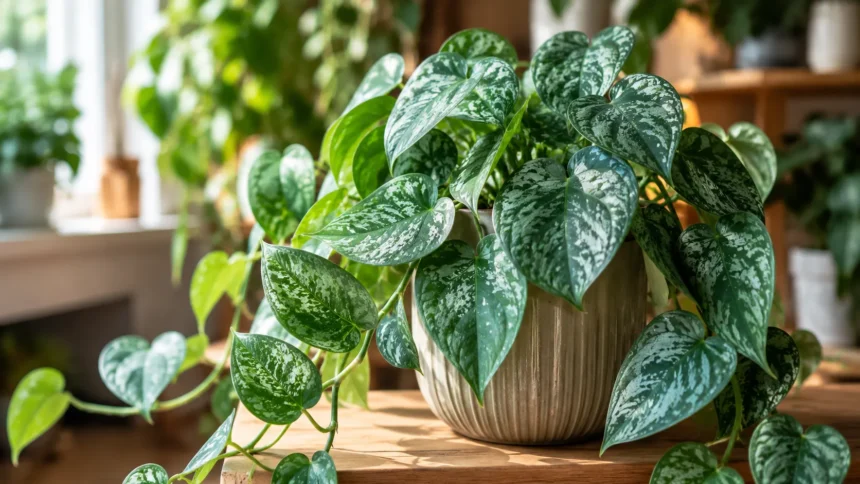
Cebu Blue Pothos is a tropical aroid known for its distinctive elongated leaves and metallic blue-green appearance. Despite its common name, it is not a true pothos from the Epipremnum aureum species commonly associated with golden pothos. Instead, it is a cultivar of Epipremnum pinnatum, a climbing plant native to parts of tropical Asia and the western Pacific region. The name “Cebu Blue” refers to its connection with Cebu in the Philippines and the unusual coloration of its juvenile foliage. Young leaves typically have a narrow shape and a subtle silvery sheen that can look different depending on lighting. This unique foliage is one of the main reasons the plant has become so desirable among indoor gardeners.
One interesting feature of Cebu Blue Pothos is how dramatically its leaves can change as the plant matures. Juvenile plants grown as trailing houseplants usually produce relatively small, entire leaves without splits or fenestrations. When the plant is allowed to climb a sturdy support under favorable conditions, mature foliage can become significantly larger. Older leaves may eventually develop natural divisions or fenestrations that create a more dramatic tropical appearance. This transformation is much more likely when the plant can climb vertically rather than continuously trail downward. Providing a moss pole or similar support can therefore influence not only how the plant grows but also how its mature leaves eventually look.
Cebu Blue Pothos is popular because it combines attractive foliage with relatively forgiving care requirements. It can tolerate a range of indoor environments, although it grows best when its preferred conditions are consistently provided. Bright indirect light, moderate watering, warm temperatures, and airy soil generally encourage stronger growth. Compared with many rare or collector-style tropical plants, Cebu Blue is relatively adaptable and does not require a complicated routine. It can also recover well from pruning and is easy to propagate from stem cuttings. These qualities make it suitable for both experienced plant collectors and beginners who want to experiment with something beyond standard pothos varieties.
The plant can be displayed in several ways depending on the appearance you want to create. In a hanging planter, vines can cascade downward and create an attractive flowing effect from shelves, cabinets, or ceiling hooks. When trained upward, the same plant develops a more vertical tropical character and may eventually produce larger mature leaves. Some growers use moss poles, wooden planks, coir poles, or trellises to encourage climbing. Others allow long vines to spread across walls or shelves using plant clips for support. Each method can work, but climbing generally encourages more mature growth than trailing. Choosing the right display style can therefore influence both the decorative appearance and long-term development of your plant.
Cebu Blue Pothos should also be understood as a tropical climbing vine rather than simply a decorative hanging plant. In suitable conditions, it naturally seeks structures that allow it to climb upward toward stronger light. Small aerial roots develop along the stems and help the vine attach to surfaces in its natural environment. Indoors, these roots can attach to moist moss poles or other textured supports when humidity and contact are adequate. Giving the plant an opportunity to follow its natural growth habit often produces healthier-looking vines and larger foliage. However, trailing Cebu Blue can still remain attractive and healthy with regular pruning, adequate light, and good watering practices.
Best Light for Cebu Blue Pothos Growth
Bright indirect light is generally the best choice for Cebu Blue Pothos because it supports steady growth without exposing the leaves to intense direct sun. A location near an east-facing window can often provide gentle morning light followed by bright indirect illumination throughout much of the day. South- or west-facing windows can also work when the plant is positioned farther from the glass or protected with a sheer curtain. Adequate light helps maintain compact spacing between leaves and encourages fuller growth. Plants grown in brighter indirect conditions often develop stronger vines than those kept in dim corners. Observing the plant’s growth pattern can help you determine whether the location provides enough usable light.
Although Cebu Blue Pothos can tolerate lower light, surviving and thriving are not necessarily the same thing. In darker conditions, the plant may continue producing leaves but growth usually becomes slower and less dense. Long sections of bare stem between leaves, known as stretched or leggy growth, can indicate inadequate light. The attractive silvery blue-green coloration may also appear less pronounced when lighting is consistently poor. If the plant sits in a dark room, moving it gradually to a brighter location can improve future growth. Avoid making an abrupt transition into strong direct sunlight because foliage that has adapted to low light can be particularly vulnerable to scorching.
Too much direct sun can cause its own problems, particularly during the hottest parts of the day. Harsh afternoon sunlight passing through a bright window may create pale patches, brown areas, or crispy leaf edges. A small amount of gentle early morning sunlight is often tolerated, but intense exposure should be approached carefully. Window direction, season, climate, and distance from the glass all influence how much light actually reaches the leaves. A plant positioned close to a window in winter may need to be moved farther back during a brighter summer. Paying attention to changes in leaf appearance allows you to adjust placement before serious sun damage develops.
Artificial grow lights can be useful when natural indoor lighting is insufficient. Cebu Blue Pothos does not necessarily require natural sunlight if it receives suitable artificial illumination for an appropriate period each day. Grow lights can be especially helpful in offices, apartments with limited windows, or rooms where outdoor buildings block sunlight. Positioning depends on the intensity and type of grow light, so follow the manufacturer’s recommendations rather than placing the foliage extremely close to the fixture. Consistency matters because plants benefit from a predictable light and dark cycle. Artificial lighting can also help maintain stronger growth during darker seasons when daylight hours become shorter.
Rotating the plant periodically can encourage more balanced growth when light comes primarily from one direction. Vines and leaves naturally orient themselves toward the strongest light source, which can make one side of the plant appear fuller than the other. Turning the pot slightly every week or two helps expose different sections of foliage to similar conditions. However, climbing plants attached to fixed supports may not be practical to rotate once they become established. In that case, thoughtful placement from the beginning becomes more important. Whether trailing or climbing, consistent bright indirect light remains one of the most influential factors for producing vigorous Cebu Blue Pothos growth.
How Often Should You Water Cebu Blue Pothos?
Cebu Blue Pothos generally prefers to dry slightly between waterings rather than remaining constantly wet. Instead of watering on a rigid calendar, check the upper layer of potting soil with your finger before adding more water. When the top inch or two feels relatively dry, it is usually a good time to water thoroughly. Pour enough water through the soil to moisten the root zone and allow excess moisture to drain from the bottom of the container. Empty any water collected in the saucer so the pot does not remain submerged. This approach provides the roots with adequate moisture while reducing the risk of prolonged saturation.
Watering frequency changes throughout the year because environmental conditions affect how quickly soil dries. During warm months with active growth, brighter light, and higher temperatures, the plant may use water more quickly. In winter, reduced daylight and slower growth can mean the soil stays moist for longer periods. Pot size, soil composition, humidity, airflow, and root density also influence drying speed. For these reasons, watering every seven days simply because a week has passed can create problems. Checking the soil itself provides a more reliable indication of whether the plant actually needs additional moisture.
Overwatering is one of the more common problems when caring for Cebu Blue Pothos. Constantly saturated soil limits oxygen around the roots and can eventually contribute to root deterioration. Early signs may include yellow leaves, soft stems, slowed growth, or soil that remains wet for an unusually long period. Severe root problems can cause the entire plant to decline if the underlying issue is not addressed. Using a pot with drainage holes and a well-aerated potting mixture greatly reduces unnecessary moisture retention. If overwatering occurs repeatedly, adjusting both watering habits and soil structure may be necessary rather than simply watering smaller amounts more frequently.
Underwatering can also affect the plant, particularly when the potting mix becomes completely dry for extended periods. Leaves may curl, droop, develop crispy edges, or lose some of their usual firmness when the plant is excessively thirsty. A severely dried potting mix may pull away from the sides of the container and become difficult to rehydrate evenly. Water slowly and thoroughly so moisture reaches the entire root ball rather than immediately running through gaps along the edge. Cebu Blue Pothos usually tolerates occasional slight dryness better than prolonged waterlogging, but repeated severe drought can weaken growth. Consistency is therefore preferable to alternating between extreme dryness and saturation.
Water quality can sometimes influence leaf appearance, although Cebu Blue Pothos is usually reasonably adaptable. If you notice persistent browning along leaf tips despite appropriate watering and humidity, mineral accumulation may be one possible factor. Flushing the soil occasionally with clean water can help remove excess salts that build up from fertilizer or hard water. Rainwater, filtered water, or other lower-mineral options can be tried when local tap water is particularly hard. However, brown tips can also result from underwatering, low humidity, root damage, or excessive fertilizer. Consider the entire care routine before assuming water quality is responsible for every cosmetic leaf issue.
Best Soil and Potting Mix for Cebu Blue Pothos
Cebu Blue Pothos performs best in a loose, well-draining potting mix that retains some moisture while still allowing air to reach the roots. Dense garden soil is generally unsuitable for containers because it can compact and remain wet for too long indoors. A good aroid-style potting mixture often combines regular indoor potting soil with coarse ingredients such as perlite, orchid bark, or similar materials that improve aeration. The goal is not to create soil that dries instantly but rather a balanced medium that holds water without becoming stagnant. Healthy root systems require both moisture and oxygen. Choosing an appropriate growing medium is therefore one of the easiest ways to prevent avoidable root problems.
You can create a simple Cebu Blue Pothos soil mix by combining quality houseplant potting soil with additional perlite and orchid bark. Exact ratios do not have to be perfect because environmental conditions differ from one home to another. Someone living in a humid climate may prefer a chunkier and faster-draining mixture, while a person in a dry environment may need slightly more moisture retention. Coco coir, pine bark, pumice, or horticultural charcoal may also appear in customized aroid mixes. The important characteristic is an open structure that does not collapse into a dense mass after repeated watering. Monitor how quickly the mixture dries and adjust future blends accordingly.
The container itself is just as important as the soil. A pot with at least one effective drainage hole allows excess water to escape after watering and significantly reduces the chance of standing moisture. Decorative cachepots without drainage can still be used by keeping the plant inside a separate nursery pot that can be removed for watering. Terracotta containers lose moisture more quickly through their porous walls, while glazed ceramic and plastic pots generally retain moisture for longer. Neither material is automatically better. Choose a pot based on your watering habits, room conditions, and how quickly the current soil tends to dry.
Repotting should normally be based on root development rather than an arbitrary annual schedule. Signs that a Cebu Blue Pothos may need a larger container include roots circling densely inside the pot, emerging through drainage holes, or causing the potting medium to dry unusually quickly. Growth may also slow when the roots become severely crowded, although several other factors can cause slow growth. When repotting, choose a container only slightly larger than the current one rather than moving immediately into an oversized pot. Too much unused soil can stay wet because a small root system cannot absorb moisture efficiently. Moderate increases in pot size help maintain a healthier balance.
Refresh the potting mix when it becomes compacted, depleted, or difficult to rehydrate evenly. Older organic ingredients gradually break down and lose the airy structure that originally supported healthy roots. Repotting provides an opportunity to inspect the root system and remove any clearly dead or rotten material using clean tools. Healthy roots are typically firm rather than mushy and should not have a strong unpleasant odor. After repotting, return the plant to suitable light and avoid making several major environmental changes simultaneously. A good potting mix combined with careful watering provides a strong foundation for healthy Cebu Blue Pothos growth.
Temperature and Humidity Needs
Cebu Blue Pothos prefers warm indoor conditions similar to the tropical environments from which its species originates. Typical household temperatures are generally comfortable provided the plant is protected from extreme heat or prolonged cold. A range around 65°F to 85°F, or approximately 18°C to 29°C, supports active growth in many homes. Growth may slow as temperatures drop significantly below this range, particularly when cool conditions are combined with wet soil. Avoid placing the plant beside cold winter windows where leaves may touch chilled glass. Stable warmth usually produces better results than repeated temperature fluctuations.
Cold drafts can stress tropical foliage even when the general room temperature appears acceptable. Keep the plant away from frequently opened exterior doors, strong air-conditioning vents, and other locations where temperatures change suddenly. Heating vents can create the opposite problem by exposing leaves to dry, hot airflow. Constant blasts from heaters may increase moisture loss and cause foliage edges to become dry. Choosing a location with relatively stable air conditions is more beneficial than chasing an exact temperature number. If you feel strong hot or cold airflow where the plant is positioned, moving it slightly can often improve the environment considerably.
Cebu Blue Pothos appreciates moderate to higher humidity, although it can usually adapt to average household conditions. Humidity becomes particularly helpful when encouraging climbing growth and larger leaves, especially when the plant is attached to a moss-based support. Dry indoor air does not always cause immediate damage, but extremely low humidity can contribute to crispy edges or slower development. Grouping tropical plants together can create a slightly more humid microenvironment around their foliage. A humidifier provides more predictable results when indoor air is consistently dry. Maintaining airflow remains important because humid conditions should not mean stagnant air surrounding constantly wet leaves and soil.
Misting is often recommended for tropical plants, but its effect on overall room humidity is usually temporary. Occasional misting may slightly wet leaf surfaces without meaningfully changing the surrounding environment for very long. If higher humidity is truly needed, a humidifier or naturally humid room is generally more effective. Keeping leaves continuously wet can also create unnecessary moisture on foliage, particularly in spaces with poor airflow. Rather than relying on repeated misting, focus on stable room conditions, appropriate watering, and adequate light. Healthy Cebu Blue Pothos growth depends on several environmental factors working together instead of one humidity trick.
Humidity becomes especially interesting when growing Cebu Blue Pothos on a moss pole. Aerial roots are more likely to interact with a support that offers appropriate moisture and texture, helping the plant establish a stronger climbing habit. Maintaining a moss pole can require additional attention because it may dry faster than the potting soil itself. Some growers prefer alternative supports that require less moisture management, such as wooden boards or coir poles. These options may still provide vertical structure even if aerial roots do not attach in exactly the same way. The best support depends on how much maintenance you want and whether mature leaf development is a priority.
How to Make Cebu Blue Pothos Grow Faster
Strong light is one of the most effective ways to encourage faster Cebu Blue Pothos growth. A plant kept in a dim corner may survive but typically produces new leaves more slowly than one receiving consistent bright indirect illumination. Moving the plant closer to an appropriate window can significantly improve growth, provided it is not suddenly exposed to harsh direct sun. Adequate light also helps the plant use water more efficiently and supports stronger leaf development. During darker seasons, supplemental grow lights can maintain more consistent conditions. Improving light should usually come before increasing fertilizer because nutrients cannot compensate for insufficient energy from photosynthesis.
Regular feeding during active growth can support healthy foliage production when the plant already receives appropriate light and water. A balanced houseplant fertilizer used according to label directions is usually sufficient. More fertilizer does not automatically mean faster growth because excessive nutrient salts can damage roots and contribute to leaf-tip burn. Many growers feed more frequently during spring and summer and reduce or pause fertilization when growth slows significantly in cooler, darker months. The exact schedule depends on the fertilizer concentration and growing conditions. Consistent moderate feeding is generally safer than repeatedly applying strong fertilizer in an attempt to force rapid growth.
Providing a climbing support can encourage a different and often more vigorous style of growth. Cebu Blue Pothos naturally climbs, and attaching vines to a moss pole, plank, trellis, or similar structure can help mimic that habit indoors. As the plant gains vertical support and receives good light, new leaves may gradually become larger. Mature plants can eventually develop striking fenestrated foliage under favorable conditions. Gently secure vines with soft plant ties or clips rather than tightly constricting the stems. Regularly guide new growth toward the support so the plant continues upward instead of wandering away from it.
Pruning can also help create a fuller-looking plant by controlling overly long or sparse vines. Cutting just above an appropriate node encourages the plant to redirect growth, although the exact branching response can vary. The removed stem sections can be propagated and planted back into the original container once they develop roots. This technique increases the number of stems in the pot and can make a thin plant appear considerably denser. Use clean, sharp scissors or pruning shears to avoid crushing stems. Strategic pruning is especially useful for trailing Cebu Blue plants that become long but lose fullness near the top of the container.
Root health ultimately determines how effectively the plant can use light, water, and fertilizer. A Cebu Blue Pothos growing in dense, constantly saturated soil may remain slow even when every other care factor appears appropriate. Similarly, a severely root-bound plant may need repotting before vigorous growth resumes. Maintain a balance between moisture and aeration, provide adequate drainage, and check roots if growth stalls without an obvious reason. Pest infestations can also weaken new growth, so inspect leaves and stems periodically. Faster growth comes from improving the entire growing environment rather than relying on a single fertilizer, humidity level, or propagation trick.
How to Propagate Cebu Blue Pothos
Stem cuttings are the easiest and most reliable way to propagate Cebu Blue Pothos at home. Each cutting needs at least one viable node because roots and new growth develop from nodal tissue rather than from a leaf alone. Look along the vine for slightly raised areas where leaves and aerial roots emerge from the stem. Use clean scissors or pruning shears to cut slightly below a node while preserving healthy stem tissue. A cutting containing one or two leaves is often easy to manage during propagation. Avoid taking extremely long sections because dividing a vine into multiple healthy cuttings can produce several new plants instead of one oversized cutting.
Water propagation is popular because it allows you to watch roots develop. Place the node beneath the water while keeping most of the foliage above the surface to reduce unnecessary leaf deterioration. Use a clean container and place it in bright indirect light rather than harsh direct sun. Replace or refresh the water regularly if it becomes cloudy or dirty. Small roots may begin appearing from the node after some time, although rooting speed depends on temperature, light, season, and cutting health. Once a healthy network of roots has formed, the cutting can be transitioned into an appropriate potting mixture.
Cebu Blue Pothos can also be propagated directly in soil or another suitable rooting medium. Dip the node into a loose, lightly moist growing medium while keeping the foliage above the surface. Maintain gentle moisture around the cutting without keeping the substrate soaking wet. Because roots are hidden, you will not be able to watch them develop as easily as with water propagation. However, new leaf growth and resistance when the cutting is gently tested can indicate that roots are becoming established. Direct-to-soil propagation avoids the later transition from water-grown roots to potting soil, which some growers find convenient.
Sphagnum moss and other airy propagation media are also commonly used for Cebu Blue cuttings. Lightly moist moss can provide both humidity and oxygen around the node when managed carefully. It should feel damp rather than dripping wet because excessive moisture can encourage stem rot. A transparent propagation container can make it easier to observe root development and moisture levels. If using an enclosed container to maintain humidity, provide occasional airflow and watch carefully for mold or rotting tissue. Once roots are sufficiently developed, transfer the cutting into a suitable houseplant potting mix and gradually acclimate it to normal room conditions.
Propagation is also an excellent way to make an established Cebu Blue Pothos appear fuller. Instead of creating separate plants from every cutting, rooted sections can be returned to the mother plant’s container. Position the new cuttings around sparse sections near the edge or center of the pot, depending on where additional growth is needed. Over time, the combination of older vines and newly rooted cuttings creates a denser appearance. Multiple stems can also be trained onto the same climbing support for a more dramatic vertical display. Regular propagation therefore serves both as a method of producing new plants and as a practical tool for improving the appearance of an existing one.
How to Prune and Train Cebu Blue Pothos
Pruning helps control the length, shape, and density of Cebu Blue Pothos vines. Trailing plants can eventually develop long stems that look attractive but may become sparse near the base if they are never trimmed. Cutting selected vines back encourages a more manageable shape and creates propagation material at the same time. Make cuts close to healthy nodes using clean, sharp scissors or pruning shears. Avoid removing a very large percentage of the plant unless there is a specific reason to do so. Moderate pruning allows the plant to maintain enough foliage for photosynthesis while encouraging new growth from remaining stems.
The best time for heavier pruning is usually during periods of active growth when the plant has sufficient light and warmth to recover quickly. Spring and summer are commonly favorable in temperate homes, although indoor plants living under stable grow lights may grow actively for much of the year. Light trimming can generally be performed whenever necessary to remove damaged or unattractive growth. Yellow, heavily damaged, or dead leaves can be removed as they appear. Inspect the surrounding stem before cutting because sometimes an isolated old leaf naturally declines while the rest of the vine remains healthy. Pruning should improve plant structure rather than becoming an automatic response to every imperfect leaf.
Training Cebu Blue Pothos upward requires patience because vines may not immediately attach themselves to a support indoors. Place the support securely in or behind the pot and gently guide stems toward it using soft ties, clips, or appropriate plant fasteners. Avoid tying vines too tightly because stems expand as they grow. If using a moss pole, positioning nodes and aerial roots directly against the surface may increase the chance of attachment. Continue redirecting new stems as they lengthen so the plant maintains vertical growth. Over time, established climbing vines can produce larger foliage than continuously trailing stems under comparable conditions.
If your priority is dramatic mature leaves, climbing should generally be encouraged rather than allowing every vine to hang downward. In its natural growth pattern, Epipremnum pinnatum climbs trees and other supports toward brighter light. Indoor support helps mimic this upward habit, though mature fenestrations still depend on overall growing conditions and plant age. Strong indirect light, warmth, adequate nutrition, and healthy roots contribute to successful development. Do not expect juvenile foliage to become split immediately after being attached to a pole. Leaf size and maturity increase gradually as new growth forms under favorable conditions.
Training can also be used creatively when vertical height is limited. Vines can be guided along a trellis, wall-mounted plant clips, or other safe supports that create a controlled shape. However, avoid attaching aerial roots directly to painted walls or delicate surfaces if damage would be a concern. Climbing plants can become surprisingly persistent once roots find texture or moisture. A removable support gives you greater flexibility if the plant needs repotting or relocation later. Whether you prefer a tall climbing specimen or a cascading hanging display, regular pruning and gentle training allow you to control Cebu Blue Pothos growth while maintaining an attractive natural appearance.
Common Cebu Blue Pothos Problems
Yellow leaves are one of the most common concerns and can have several possible causes. Occasional older leaves naturally yellow and drop as the plant grows, particularly near the base of mature vines. Multiple yellow leaves appearing rapidly may suggest overwatering, poor drainage, root stress, insufficient light, or another environmental issue. Check the soil moisture before immediately adding fertilizer or moving the plant. If the potting mix stays wet for a long time, improving drainage and adjusting watering habits should become a priority. Looking at the plant as a whole provides more useful information than trying to diagnose a problem from one isolated yellow leaf.
Brown or crispy edges are often associated with dryness, although several factors can contribute. Repeated underwatering, very dry air, excess fertilizer salts, or damaged roots may all produce similar symptoms. Start by examining how evenly and frequently the plant is watered. If the soil becomes extremely dry between waterings, try providing moisture slightly earlier without keeping it constantly wet. If watering appears appropriate, consider humidity and fertilizer practices next. Damaged leaf tissue will not turn green again, but improving the underlying conditions should help future foliage emerge in better condition. Removing cosmetic damage is optional unless the affected tissue becomes a source of decay.
Leggy growth usually indicates that the plant is stretching toward stronger light. Long spaces between leaves and thin, extended stems are especially common when Cebu Blue is positioned far from windows or behind heavy curtains. Move the plant gradually into brighter indirect light and consider pruning excessively sparse vines. New growth produced after conditions improve should develop more compactly. Rooted cuttings from pruned vines can also be planted back into the original pot to increase fullness. Remember that existing stretched stems will not shorten themselves when lighting improves, so pruning and propagation may be needed if you want to reshape the plant significantly.
Pests such as spider mites, mealybugs, scale insects, or thrips can occasionally affect Cebu Blue Pothos. Inspect both sides of leaves, nodes, stems, and areas where petioles meet the vine, particularly when bringing a new plant into your home. Early signs can include speckled foliage, sticky residue, distorted new growth, fine webbing, or visible insects. Isolate an infested plant from nearby houseplants until the problem is controlled. Treatment depends on the specific pest and may involve physically removing insects, washing foliage, or using an appropriate houseplant pest treatment according to label instructions. Regular inspection makes infestations easier to manage before populations become severe.
Root rot is among the more serious problems because symptoms above the soil can remain subtle until significant root damage has occurred. Persistent yellowing, wilting despite wet soil, soft stems, slow growth, and unpleasant-smelling potting mix can indicate root trouble. Remove the plant from its container and inspect the roots if severe overwatering is suspected. Healthy roots should generally feel firm, while rotten roots may be dark, soft, or mushy. Remove clearly damaged tissue with clean tools and repot the remaining healthy plant into fresh, airy soil when appropriate. Correcting drainage and watering habits is essential because repotting alone will not solve the problem if the same conditions continue.
Is Cebu Blue Pothos Easy to Care For?
Cebu Blue Pothos is generally considered an easy-care houseplant when its basic requirements are understood. It does not require extremely high humidity, constant fertilization, or complicated watering schedules to remain attractive. Bright indirect light, moderate watering, warm temperatures, and well-draining soil cover most of its essential needs. The plant also provides useful visual signals when something is wrong, such as yellowing from excessive moisture or stretched growth from inadequate light. These characteristics make it approachable for beginners who are learning how to care for tropical foliage plants. More experienced growers can still enjoy experimenting with supports and mature leaf development.
Its tolerance for occasional mistakes is another reason it works well in typical homes. Missing a watering by a small amount is usually less damaging than allowing the root system to remain permanently saturated. A plant that becomes slightly leggy can often be corrected through brighter lighting, pruning, and propagation. Even accidental stem breakage can become an opportunity to produce new plants if the broken section contains healthy nodes. This resilience reduces the pressure to maintain perfect conditions every day. However, easy care should not be interpreted as neglect-proof, because repeated overwatering, severe darkness, cold exposure, or pest infestations can still cause long-term decline.
Cebu Blue can also adapt to different decorating styles and room arrangements, which increases its usefulness as an indoor plant. A young specimen can remain compact on a shelf, while longer vines can spill from hanging baskets or tall cabinets. Homeowners with additional vertical space can encourage climbing on a support and potentially develop larger foliage. The same plant therefore offers several visual possibilities throughout its life. Regular pruning allows you to maintain whichever form suits the room best. This flexibility makes Cebu Blue especially appealing for people who want a houseplant that can evolve instead of remaining visually identical for years.
Beginners should focus on learning how the soil responds to their particular home rather than copying a rigid care calendar. Two Cebu Blue Pothos plants growing in different rooms may require water at completely different intervals. One might receive strong indirect light and dry quickly, while another sits farther from a window and retains moisture for much longer. Understanding this relationship between light, temperature, potting mix, and watering is more useful than memorizing a fixed number of days. Once you become familiar with how the pot feels as it dries, plant care becomes much easier. Consistent observation is one of the most valuable skills any houseplant owner can develop.
For plant enthusiasts who want something more challenging, encouraging Cebu Blue to mature provides an interesting long-term project. Allowing vines to climb, maintaining suitable light, and supporting aerial roots can gradually lead to larger foliage and potentially fenestrated leaves. This mature appearance can look dramatically different from the small leaves commonly seen on young retail plants. You can therefore keep care simple or become more involved depending on your goals. That balance between accessibility and potential makes Cebu Blue Pothos unusually rewarding. It can remain an attractive trailing houseplant with basic care while offering ambitious growers the opportunity to develop a much more dramatic climbing specimen.
Frequently Asked Questions About Cebu Blue Pothos
How much light does Cebu Blue Pothos need?
Cebu Blue Pothos grows best in bright indirect light, although it can tolerate lower-light conditions for some time. Brighter indirect light generally encourages faster growth, fuller vines, and stronger foliage while harsh direct afternoon sun may scorch the leaves.
How often should I water Cebu Blue Pothos?
Water when the upper inch or two of the potting mix feels relatively dry rather than following a strict weekly schedule. Water thoroughly and allow excess moisture to drain so the roots receive hydration without remaining constantly saturated.
Can Cebu Blue Pothos grow in water permanently?
Cebu Blue cuttings root easily in water and can remain there for extended periods when their needs are carefully managed. However, plants grown long term in water require appropriate nutrients and maintenance, while soil or another suitable growing medium is usually the more conventional option for sustained houseplant growth.
How do I make Cebu Blue Pothos leaves bigger?
Provide bright indirect light, healthy roots, appropriate nutrition, warmth, and a sturdy climbing support. Training the vines vertically on a moss pole or similar structure can encourage increasingly mature foliage, although larger and fenestrated leaves develop gradually rather than immediately.
Is Cebu Blue Pothos easy to propagate?
Yes, Cebu Blue Pothos is relatively easy to propagate from stem cuttings containing at least one healthy node. Cuttings can be rooted in water, soil, sphagnum moss, or another suitable propagation medium before being planted individually or returned to the parent pot for a fuller appearance.