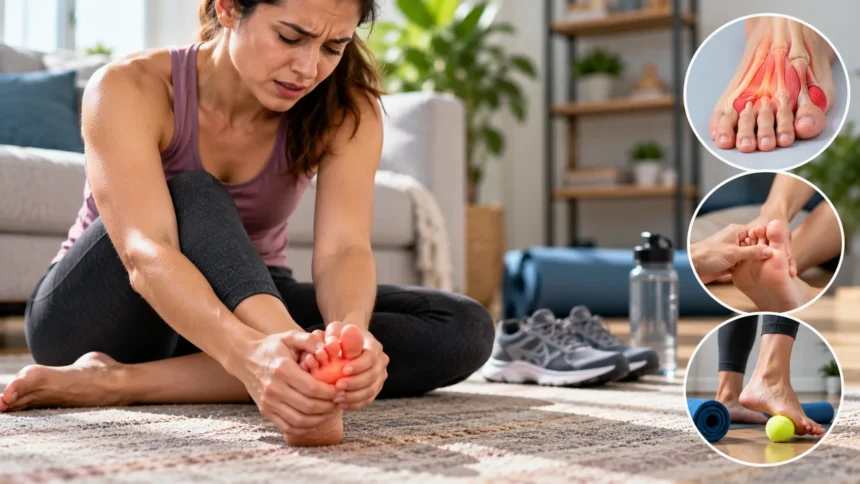
Toe cramps can appear suddenly and make the toes curl, tighten, or feel painfully locked in place. They may happen during exercise, while sitting, in bed at night, or after spending a long day on your feet. In many cases, the cause is temporary muscle fatigue or overuse, but repeated cramping can sometimes be linked to footwear, hydration, circulation, nerve irritation, or other health problems.
Most occasional toe cramps are short-lived and improve with gentle stretching, movement, and rest. However, frequent cramps, severe pain, numbness, swelling, or other unusual symptoms should not be ignored. Understanding the most common causes of toe cramping and the safest relief options can help you manage minor episodes and recognize when medical evaluation may be appropriate.
What Does Toe Cramping Feel Like?
A toe cramp is an involuntary muscle contraction that causes one or more toes to tighten suddenly. The toes may curl downward, spread apart, or feel temporarily stuck in an uncomfortable position. The cramp can last for a few seconds or several minutes and may leave the muscles feeling sore afterward.
Some people describe toe cramps as a sharp pulling sensation, while others feel a strong knot or pressure in the foot. The discomfort may stay limited to the toes or extend into the arch, ball of the foot, or calf. Repeated cramping can make walking temporarily uncomfortable, especially if the foot muscles remain tight after the episode ends.
The timing of the cramp can provide useful clues. Cramps that occur after exercise may be related to muscle fatigue, while nighttime cramps may happen after prolonged standing or changes in activity. Frequent cramps that occur without an obvious trigger may deserve further evaluation, particularly when other symptoms are present.
Muscle Fatigue and Overuse
Muscle fatigue is one of the most common reasons toes cramp. The small muscles of the feet work constantly during walking, standing, running, and balancing. When these muscles are pushed beyond what they are used to handling, they may become fatigued and contract involuntarily.
Long walks, intense workouts, running, dancing, or standing for many hours can all increase the chance of foot and toe cramping. The risk may be greater if your activity level suddenly increases or if you perform unfamiliar movements. The muscles may simply not be conditioned for the additional workload.
Rest and gradual training progression can help reduce overuse-related cramps. If your toes frequently cramp after exercise, consider whether you recently increased distance, intensity, or time on your feet. Reducing the workload temporarily and building activity back up slowly can give the muscles time to adapt.
Dehydration and Electrolyte Imbalance
Dehydration may contribute to muscle cramping, particularly during prolonged exercise or hot weather. When the body loses fluid through sweating, muscle function can become less efficient. Some people may notice cramping in the feet, toes, or calves during or after activities that involve substantial fluid loss.
Electrolytes such as sodium, potassium, magnesium, and calcium play roles in normal muscle and nerve function. Significant losses or imbalances may contribute to cramps in certain situations. However, not every toe cramp is caused by an electrolyte deficiency, and taking supplements without a clear reason is not always necessary.
For most everyday activity, regular meals and adequate fluid intake are sufficient. People exercising for long periods in hot conditions may need additional attention to hydration and sodium replacement. Recurrent cramping despite normal hydration should be evaluated rather than repeatedly treated with electrolyte drinks alone.
Tight or Unsuitable Footwear
Shoes that compress the toes can place the small foot muscles under constant tension. Narrow toe boxes, high heels, or footwear that forces the toes into an unnatural position may contribute to cramping. The problem may become more noticeable after several hours of walking or standing.
High heels can be particularly demanding because they shift body weight toward the front of the foot. This can increase pressure on the toes and shorten some of the muscles that control them. Shoes that are too small may also restrict normal toe movement and increase discomfort.
Choose footwear that allows your toes to spread and move comfortably. The front of the shoe should provide enough room without allowing the foot to slide excessively. If cramping consistently happens with one pair of shoes, switching to a better-fitting option may be a simple and effective change.
Foot Position and Prolonged Sitting
Holding the foot in one position for too long can sometimes trigger cramping. Sitting with the toes pointed downward, crossing the legs, or keeping the feet compressed under a chair may reduce movement and leave muscles feeling stiff. A cramp may occur when you suddenly move after remaining still.
Prolonged sitting can also reduce how often the foot and ankle muscles contract. Regular movement helps maintain circulation and keeps the joints and muscles active. People who work at a desk for many hours may notice that their feet feel tighter by the end of the day.
Taking short movement breaks can help. Stand, walk around, gently move the ankles, and spread or flex the toes every hour or so. These simple changes may reduce stiffness and help prevent cramps caused by prolonged immobility.
Toe Cramps During Exercise
Exercise-related toe cramps may develop when the foot muscles become tired or overloaded. Running, cycling, swimming, yoga, and strength training can all place different demands on the toes and arches. Cramps may appear during the activity or shortly afterward.
Foot position may contribute in some sports. Swimmers often point their toes repeatedly, while runners may grip with the toes inside their shoes without realizing it. Activities performed barefoot can also challenge small stabilizing muscles that may not be accustomed to the workload.
If cramps happen repeatedly during exercise, review your technique, footwear, and training intensity. Warm up gradually and avoid sudden increases in duration or difficulty. Persistent exercise-related cramping may also benefit from a professional assessment of foot mechanics or muscle strength.
Nighttime Toe Cramps
Toe cramps can occur at night and may wake you from sleep. They sometimes happen after a day involving prolonged standing, exercise, or unusual activity. The exact cause is not always obvious, but muscle fatigue and foot position during sleep may contribute.
Sleeping with the feet pointed downward can keep some muscles in a shortened position. A sudden movement may then trigger a cramp. Some people also experience nighttime cramps alongside calf tightness, especially after spending many hours on their feet.
Gentle foot and calf stretching before bed may help some people. Staying generally active and avoiding extreme fatigue may also reduce episodes. If nighttime cramps become frequent or are accompanied by numbness, weakness, or persistent pain, speak with a healthcare professional.
Nerve-Related Causes of Toe Cramping
Nerve irritation can sometimes cause sensations that feel like cramping. Compression or irritation of nerves in the lower back, leg, ankle, or foot may produce pain, tingling, burning, or abnormal muscle contractions. These symptoms can be mistaken for simple muscle cramps.
Conditions affecting peripheral nerves may also change sensation or muscle control in the feet. In these cases, cramping may occur alongside numbness, pins-and-needles sensations, weakness, or reduced coordination. The symptoms may be more noticeable at night or after prolonged standing.
Toe cramps associated with nerve symptoms deserve medical assessment. Stretching or hydration may provide little relief when nerve irritation is the underlying problem. Identifying the source of the nerve issue allows treatment to focus on the cause rather than only the cramping sensation.
Circulation Problems and Toe Cramps
Reduced blood flow can sometimes contribute to pain or cramping in the feet. Circulation problems may cause discomfort during walking that improves with rest, along with cold feet, color changes, or slow-healing skin problems. These symptoms differ from ordinary brief muscle cramps.
Poor circulation is more concerning when pain repeatedly appears after a predictable amount of walking. Some people may also notice that one foot feels colder or looks different from the other. These changes should not be assumed to come from simple muscle fatigue.
If toe cramping occurs with color changes, wounds that do not heal, persistent coldness, or pain during walking, medical evaluation is important. Circulatory problems may require testing and specific treatment. Early assessment can help reduce the risk of complications.
Nutritional and Medication-Related Factors
Certain nutritional deficiencies can affect muscle and nerve function, although they are not the most common explanation for occasional toe cramps. Low levels of specific minerals or vitamins may contribute when deficiencies are significant. A balanced diet generally provides adequate nutrition for most people.
Some medications can also be associated with muscle cramps or changes in fluid and electrolyte balance. Diuretics, certain cholesterol-lowering medicines, and other drugs may sometimes contribute depending on the individual. Never stop a prescribed medication on your own because you suspect it is causing cramps.
If cramping started after a new medication or dose change, discuss it with your doctor or pharmacist. They can review possible side effects, interactions, and alternative explanations. Blood testing may be appropriate when symptoms suggest a nutritional or metabolic issue.
How to Stop a Toe Cramp Quickly
When a toe cramp begins, gently stop the activity you are doing and try to relax the foot. Use your hand to slowly straighten the cramped toe rather than forcing it. Gentle movement may help the muscle release and reduce the intensity of the contraction.
You can also stand carefully and place the foot flat on the floor if it feels safe to do so. Slowly shifting weight through the foot may help restore normal muscle length. Avoid sudden aggressive stretching, particularly if the cramp is severe or follows an injury.
Light massage can sometimes help relax the cramped area. Rub the foot and toes gently until the contraction begins to settle. After the cramp stops, walking around for a few minutes may reduce lingering stiffness and help the muscles return to normal function.
Stretching for Toe Cramp Relief
Gentle stretching can help when tight foot or calf muscles contribute to cramping. A simple option is to sit and gently pull the affected toes upward toward the shin. Hold the position only until you feel mild tension and release if the stretch becomes painful.
Calf stretching may also be useful because the muscles of the calf connect to structures that influence the foot and ankle. Stand facing a wall, place one foot behind you, and gently press the heel toward the floor. Keep the movement comfortable and avoid bouncing.
Regular stretching may improve flexibility, but it should not be viewed as a cure for every type of cramp. Persistent cramping caused by circulation, nerve, or medical problems may not respond to stretching. Use flexibility work as part of a broader approach rather than the only strategy.
Strengthening the Feet and Toes
Weak foot muscles may fatigue more quickly during walking or exercise. Strengthening these muscles can improve endurance and control, particularly for people who spend long periods standing or participate in sports. Simple exercises can often be performed at home without special equipment.
Toe spreading, controlled toe curls, and short-foot exercises can help activate the smaller muscles of the foot. Calf raises may also improve strength throughout the lower leg and ankle. Exercises should be performed slowly so the toes do not repeatedly cramp during the movement.
Start with a small number of repetitions and build gradually. Strength work should feel challenging but not painful. If exercises repeatedly trigger strong cramps, reduce the intensity or seek guidance from a physical therapist or other qualified professional.
How to Prevent Toe Cramps
Preventing toe cramps often starts with basic habits. Wear comfortable shoes, increase activity gradually, and give your feet breaks after long periods of standing or walking. Regular movement can help reduce stiffness, while excessive training without recovery can make muscle fatigue more likely.
Stay adequately hydrated and maintain a balanced diet. There is usually no need to take mineral supplements unless a deficiency or specific medical need has been identified. Focus on consistent hydration and nutrition rather than relying on supplements as a universal treatment for cramps.
Pay attention to patterns. If cramps always occur after a certain activity, in specific shoes, or at a particular time of day, that information can help identify triggers. Adjusting the factor that repeatedly precedes the cramp may be more effective than treating each episode after it happens.
When Should You Worry About Toe Cramps?
Occasional toe cramps are usually not a major concern, but frequent or worsening episodes deserve attention. Make a medical appointment if cramps repeatedly interrupt sleep, interfere with walking, occur without a clear trigger, or continue despite basic changes in hydration, footwear, and activity.
Seek evaluation sooner if cramping is accompanied by numbness, weakness, swelling, significant color changes, or persistent coldness in the foot. These symptoms may indicate nerve or circulation problems. Pain that develops after an injury and does not improve also deserves assessment.
Urgent care may be necessary for sudden severe foot symptoms accompanied by marked swelling, inability to move the toes, severe discoloration, or other signs of compromised circulation. A healthcare professional can determine whether the symptoms are muscular or related to a more serious underlying condition.
Conclusion
Toe cramps are sudden muscle contractions that can result from fatigue, overuse, prolonged positioning, unsuitable footwear, exercise, dehydration, or other factors. They are often temporary and harmless, especially when they occur after demanding activity and improve quickly with gentle movement.
Simple relief measures include slowly stretching the toes, massaging the foot, walking gently, and reducing activities that repeatedly trigger the cramp. Comfortable footwear, gradual training, regular movement, and adequate hydration can also help reduce how often ordinary muscle cramps occur.
Frequent or unexplained toe cramps should not be ignored, particularly when they happen alongside numbness, weakness, swelling, color changes, or circulation symptoms. If simple measures do not help, medical evaluation can identify whether a nerve, circulation, medication, or other health issue is contributing.
FAQs
Why do my toes suddenly cramp and curl?
Sudden toe curling usually happens because small foot muscles contract involuntarily. Muscle fatigue, prolonged positioning, exercise, tight shoes, dehydration, or other factors can trigger these temporary contractions.
How do I stop a toe cramp fast?
Gently straighten the affected toes, massage the foot, and slowly move the ankle. Standing with the foot flat on the floor may also help, provided you can do so comfortably and safely.
Can dehydration cause toe cramps?
Dehydration may contribute to cramps, especially after prolonged exercise or heavy sweating. However, frequent toe cramps can have several causes, so hydration alone may not solve repeated episodes.
Why do my toes cramp at night?
Nighttime cramps may be related to muscle fatigue, prolonged standing, or foot position during sleep. Gentle stretching and movement may help, but frequent nighttime cramps should be assessed if they persist.
When should I see a doctor for toe cramps?
See a healthcare professional if cramps are frequent, worsening, or accompanied by numbness, weakness, swelling, color changes, or persistent pain. These symptoms may suggest a nerve, circulation, or other underlying problem.