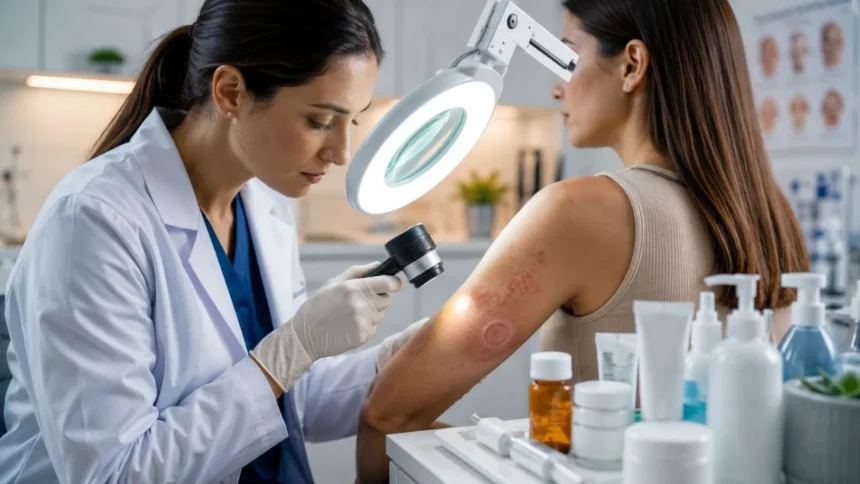
Skin Infections: Types, Symptoms and Best Treatments
Skin infections develop when bacteria, fungi, viruses or parasites affect the skin or enter through a damaged area. Some infections cause only mild itching or irritation, while others can spread into deeper tissues and become serious. Recognizing the symptoms early can help you receive the right treatment and avoid complications.
The appearance of infected skin can vary considerably. You may notice swelling, pain, warmth, pus, blisters, crusting, scaling or changes in skin color. On darker skin tones, inflammation may appear purple, grey or dark brown instead of bright red, so texture, tenderness and warmth are also important warning signs.
Different skin infections require different treatments. Antibiotics may work against bacterial infections, but they will not treat fungal, viral or parasitic conditions. Similarly, an antifungal cream will not cure cellulitis, shingles or scabies, even when these conditions initially look like an ordinary rash.
Understanding the main types of skin infections can help you know when home care may be appropriate and when medical attention is necessary. However, avoid diagnosing a persistent or painful rash based only on photographs because many infections can resemble eczema, allergies and other non-infectious skin conditions.
What Is a Skin Infection?
A skin infection occurs when harmful microorganisms grow on the skin, enter a hair follicle or reach the tissues beneath the skin’s surface. Healthy skin usually acts as a protective barrier, but cuts, burns, bites, shaving injuries and cracked skin can create openings through which germs enter.
Some skin infections affect only the outermost layer of skin and remain relatively mild. Others can reach deeper tissues, muscles or the bloodstream. Deep bacterial infections such as cellulitis may spread rapidly, while conditions such as ringworm usually develop more slowly near the surface.
Skin infections may begin as a small bump, itchy patch, blister or sore. The area can gradually become larger, warmer, more painful or filled with fluid. Symptoms depend on the organism involved, the body area affected and the strength of the person’s immune system.
Not every rash is caused by an infection. Contact dermatitis, psoriasis, eczema, heat rash and allergic reactions can produce similar symptoms. A healthcare professional may need to examine the skin or perform testing when the cause is unclear or standard treatment does not work.
Common Symptoms of Skin Infections
One of the most common skin infection symptoms is a noticeable change in the affected area. The skin may become swollen, warm, painful, itchy or discolored. A rash may appear suddenly or gradually expand over several days, depending on the underlying cause.
Bacterial infections often produce tenderness, warmth, swelling and pus. Some people develop painful bumps, boils or sores covered with yellow crusts. If the infection spreads, the surrounding skin may become increasingly painful, firm or sensitive to even light pressure.
Fungal infections commonly cause itching, scaling, peeling or cracking. A fungal rash may develop a raised border and gradually spread outward. Infections affecting the feet can cause burning between the toes, while nail infections may cause thick, brittle or discolored nails.
Viral and parasitic conditions may cause blisters, small raised bumps or intense itching. Shingles can produce tingling and burning before a rash appears, while scabies often causes severe nighttime itching. Fever, chills or tiredness may occur when an infection affects more than the skin.
Bacterial Skin Infections
Bacterial skin infections occur when bacteria enter through a cut, scratch, insect bite, wound or damaged skin barrier. Staphylococcus and Streptococcus bacteria are common causes. These germs may normally live on the skin without causing harm but can create an infection after entering deeper tissue.
Impetigo is a contagious bacterial infection that commonly affects children but can occur at any age. It often causes small sores or blisters that break open and form yellow or honey-colored crusts. Scratching can spread the bacteria to other body areas or nearby people.
Folliculitis affects the hair follicles and can resemble a sudden acne breakout. Small red, darkened or pus-filled bumps may appear around individual hairs. Shaving, friction, sweating, tight clothing and contaminated hot tubs can increase the likelihood of developing folliculitis.
Cellulitis is a deeper bacterial skin infection that causes spreading warmth, swelling, pain and skin discoloration. It usually requires prescription antibiotics and should not be ignored. Rapidly spreading symptoms, fever, severe pain or infection near the eyes require immediate medical attention.
Fungal Skin Infections
Fungal skin infections thrive in warm, damp environments, particularly where sweat becomes trapped. They commonly affect the feet, groin, scalp, nails and areas where skin rubs together. Humid weather, tight clothing and shared changing facilities can increase exposure.
Ringworm is a common fungal infection that may create a round or irregular scaly patch. The edge can appear raised while the center looks clearer, although not every case forms a perfect ring. Ringworm can affect the body, scalp, beard, groin or feet.
Athlete’s foot often causes itching, peeling, cracking and burning between the toes or across the soles. Jock itch produces a similar rash around the groin and inner thighs. Both conditions may spread through shared towels, shoes, floors or direct skin contact.
Many mild fungal infections respond to antifungal creams, powders or sprays. However, scalp, nail, widespread or persistent infections may require oral antifungal medicine. A rash that worsens after steroid cream should be checked because steroids can sometimes hide or aggravate fungal infections.
Viral Skin Infections
Viral skin infections develop when a virus affects skin cells or triggers a rash as part of a wider illness. Common examples include shingles, chickenpox, cold sores, viral warts and molluscum contagiosum. Their symptoms may include blisters, firm bumps, pain, burning or tingling.
Shingles occurs when the virus responsible for chickenpox becomes active again later in life. It usually produces a painful band of blisters on one side of the body or face. Tingling, sensitivity or burning may begin several days before the rash becomes visible.
Cold sores are commonly caused by the herpes simplex virus and usually appear around the lips or mouth. The area may tingle or burn before small fluid-filled blisters develop. The virus can spread through close contact, particularly while active sores are present.
Some viral skin infections clear naturally, while others benefit from early antiviral treatment. Antiviral medicine can reduce the severity and duration of shingles when started promptly. A painful blistering rash near the eye should always receive urgent medical assessment.
Parasitic Skin Conditions
Parasitic skin conditions occur when small organisms live on or within the skin. Scabies and head lice are well-known examples. Although these conditions are sometimes called infestations rather than infections, they can spread between people and require targeted treatment.
Scabies is caused by microscopic mites that burrow into the skin. It produces intense itching that is often worse at night, along with small bumps or thin, irregular lines. Common areas include the fingers, wrists, waist, elbows, armpits and genital region.
Scabies usually spreads through prolonged skin-to-skin contact. It may also spread through recently used bedding, clothing or towels, although this is less common. Symptoms can take several weeks to appear after a first exposure, allowing the condition to spread unnoticed.
Treatment requires medication that kills the mites, such as a prescribed topical cream or oral medicine. Household members and close contacts may need treatment simultaneously. Bedding and clothing should also be cleaned according to professional instructions to reduce reinfection.
What Causes Skin Infections?
Skin infections often begin when the protective skin barrier becomes damaged. Cuts, burns, insect bites, cracked heels, surgical wounds, tattoos and shaving injuries can provide entry points for bacteria. Even a small injury may become infected if it is repeatedly touched or exposed to contaminated surfaces.
Warmth and moisture encourage fungal growth. Wearing damp socks, remaining in sweaty clothing or using tight footwear can create an environment where fungi multiply. Skin folds may also remain moist, increasing the risk of irritation and yeast-related infections.
Close contact can spread contagious skin infections from one person to another. Sharing towels, razors, clothing, bedding, cosmetics or sports equipment may transfer germs. Communal showers, swimming facilities and changing rooms can also expose people to fungal organisms.
Some infections develop because the immune system cannot control microorganisms effectively. Diabetes, poor circulation, immune-suppressing medicines and certain long-term illnesses can increase risk. Babies, older adults and people recovering from major medical treatments may also develop more severe infections.
Who Is Most at Risk?
People with damaged or sensitive skin have a greater chance of developing an infection. Eczema, psoriasis and chronic dryness can create cracks that allow bacteria or fungi to enter. Frequent scratching further damages the skin and can spread microorganisms to surrounding areas.
Athletes and people who exercise regularly may be exposed through shared mats, protective equipment, changing rooms and close physical contact. Sweat and friction can also irritate hair follicles. Showering after exercise and cleaning shared equipment can lower the risk.
People with diabetes need to pay particular attention to their feet and lower legs. Reduced sensation may prevent them from noticing small cuts, while poor circulation can slow healing. Even a minor wound should be monitored for swelling, warmth, drainage or worsening discoloration.
A weakened immune system can make infections harder to control. People receiving chemotherapy, organ-transplant medicines or long-term immune-suppressing treatment should seek medical advice early. An infection that seems minor in a healthy person may progress more quickly in someone with reduced immunity.
How Are Skin Infections Diagnosed?
A healthcare professional usually begins by examining the rash, sore or swollen area. They may evaluate its size, shape, border, temperature and texture. The presence of pus, crusting, blisters, scales or drainage can provide useful clues about the infection type.
You may be asked when the symptoms started and whether they are spreading. The clinician may also ask about recent travel, animal contact, communal showers, sports activities, insect bites, new skin products or contact with someone who has a similar rash.
Some skin infections can be diagnosed from their appearance, but others require testing. A clinician may collect fluid from a blister, swab an open wound or take a scraping from a scaly area. Nail clippings may be tested when a fungal nail infection is suspected.
Testing is particularly helpful when the infection keeps returning or does not respond to treatment. Laboratory results can identify the organism and determine which medicine is most suitable. This approach also reduces unnecessary use of antibiotics or antifungal drugs.
Best Treatments for Bacterial Skin Infections
Treatment for a bacterial skin infection depends on its location, depth and severity. A small superficial infection may respond to a prescribed topical antibiotic. Larger, painful or spreading infections often require oral antibiotics and closer medical monitoring.
An abscess contains a pocket of pus and may not improve with medicine alone. A healthcare professional may need to drain it safely. Attempting to squeeze, pierce or drain an abscess at home can push bacteria deeper into the tissue and increase the risk of spreading.
Cellulitis usually requires prescription antibiotics because it affects deeper skin layers. Symptoms should begin improving after appropriate treatment, although discoloration can take longer to disappear. Contact the prescriber if swelling, pain or fever worsens after treatment begins.
Complete the prescribed antibiotic course unless a healthcare professional advises otherwise. Stopping too early may allow the infection to return. Do not use leftover antibiotics or medicines prescribed to another person because the drug may not target the responsible bacteria.
Best Treatments for Fungal Skin Infections
Mild fungal infections are commonly treated with topical antifungal medicines. These products may be available as creams, sprays, gels or powders. The medicine usually needs to cover the rash and a small area of surrounding skin to control invisible fungal growth.
Continue treatment for the recommended period, even when itching and scaling improve early. Stopping too soon can allow remaining fungi to multiply again. Keeping the area clean and dry can also improve treatment results and reduce the possibility of recurrence.
Scalp and nail infections are more difficult for topical products to reach. A healthcare professional may prescribe oral antifungal medicine for several weeks or months. Treatment duration depends on the body area, the organism involved and how quickly healthy tissue grows.
Avoid using steroid creams on an unidentified fungal rash unless instructed by a professional. Steroids may reduce redness temporarily while allowing the infection to continue spreading. Persistent, painful or extensive ringworm should be assessed for an accurate diagnosis.
Best Treatments for Viral Skin Infections
Many viral skin infections improve as the immune system controls the virus. Treatment may focus on reducing pain, itching and irritation. Keeping affected skin clean and avoiding scratching can help prevent a secondary bacterial infection from developing.
Antiviral medicines may be prescribed for shingles, severe cold sores or selected herpes infections. These medicines generally work best when started early. Prompt treatment may shorten the outbreak and reduce the likelihood of complications such as prolonged nerve pain.
Viral warts and molluscum contagiosum can sometimes disappear without treatment. However, removal may be considered when lesions are painful, irritated, spreading or affecting confidence. Available procedures include freezing, prescription medicines and treatments performed by a dermatologist.
Do not pop viral blisters or pick at raised bumps. Touching the area can spread the virus to nearby skin or other people. Wash your hands after applying treatment and avoid sharing lip products, towels, razors or other personal items.
Best Treatments for Parasitic Skin Conditions
Parasitic conditions require medicines designed to kill the parasite. Ordinary antibiotics and antifungal creams will not treat scabies or lice. Using an incorrect product may delay recovery and allow the condition to spread through a household.
Scabies treatment often involves applying a prescription cream across specific body areas and leaving it on for a set period. Some patients may receive oral medicine instead. A second treatment may be required because the first application may not destroy every egg.
Itching may continue for several weeks after successful treatment because the skin remains sensitive to mite debris. Persistent itching does not always mean the treatment failed. However, new burrows, bumps or symptoms in close contacts may indicate continued infestation.
Household members, intimate partners and other close contacts may need treatment even without symptoms. Recently used clothes, towels and bedding should be cleaned as directed. Coordinated treatment is essential because untreated contacts can quickly reintroduce the parasite.
Home Care for an Infected Skin Area
Keep the affected area clean and follow any wound-care instructions given by a professional. Wash your hands before and after touching the skin. Use a clean dressing if the area is draining, and replace it whenever it becomes wet or dirty.
Avoid scratching, squeezing or picking at sores and blisters. These actions can damage healthy tissue and move germs to other body areas. Keep fingernails short, especially when itching is difficult to control during sleep.
Do not share towels, clothing, razors, cosmetics or bedding while the infection is active. Wash personal items regularly and allow them to dry completely. Shoes and sports equipment should also be cleaned when a fungal infection is present.
Rest, hydration and balanced nutrition can support general recovery, but they do not replace medical treatment. Avoid applying harsh chemicals, bleach, toothpaste or undiluted essential oils to infected skin. These substances can cause burns and make the condition worse.
When to See a Doctor
Arrange a medical appointment when a rash is painful, spreading or producing pus. You should also seek care when symptoms continue returning or fail to improve with appropriate non-prescription treatment. A correct diagnosis can prevent weeks of ineffective self-treatment.
Fever, chills, weakness or swollen lymph nodes may indicate that the infection is affecting more than the skin. Increasing warmth, swelling and tenderness can suggest cellulitis. These symptoms require prompt medical evaluation, particularly when they worsen quickly.
People with diabetes, poor circulation or weakened immunity should seek help earlier than otherwise healthy adults. Infection around a surgical wound, pressure sore or foot ulcer also needs professional assessment because healing may be slower and complications more likely.
Consult a clinician when the cause of a rash is uncertain. A condition that looks like ringworm may be eczema, while a bump that resembles acne may be a boil. Accurate diagnosis determines whether antibiotics, antifungals, antivirals or another treatment is appropriate.
Emergency Warning Signs
Seek urgent care when swelling, pain or skin discoloration spreads rapidly over several hours. Red or dark streaks extending away from a wound can indicate that infection is moving through nearby tissues. Severe pain that seems greater than the visible skin damage is also concerning.
Call for urgent medical help if a skin infection occurs with confusion, faintness, rapid breathing or extreme weakness. These symptoms may signal a serious systemic reaction. Do not wait for an ordinary appointment when the person appears severely unwell.
A blistering or painful rash near the eye requires immediate assessment. Shingles and bacterial infections around the eye can threaten vision. Facial swelling, difficulty opening the eye or changes in eyesight should never be treated only with home remedies.
Emergency care may also be needed for widespread blistering, blackened skin, severe burns or an infected animal or human bite. New symptoms in a newborn should receive prompt professional attention. Early treatment can prevent deeper tissue damage and other serious complications.
How to Prevent Skin Infections
Wash your hands regularly and clean minor cuts as soon as possible. Cover wounds when they may contact dirt, shared surfaces or other people. Change dressings regularly and watch for increasing warmth, swelling, pain or drainage.
Shower after sports and change out of damp clothing promptly. Wear sandals in communal showers and changing rooms. Dry carefully between the toes and within skin folds because trapped moisture encourages fungal and yeast growth.
Avoid sharing razors, towels, clothing, footwear, bedding and personal grooming tools. Clean sports equipment after use, especially items that touch bare skin. Wash gym clothing after every session rather than wearing it repeatedly.
Manage conditions that damage the skin barrier, including eczema and chronic dryness. Use suitable moisturizers to reduce cracking and follow professional treatment plans. People with diabetes should inspect their feet regularly for cuts, blisters, swelling and color changes.
Can Skin Infections Spread to Other People?
Some skin infections are highly contagious, while others develop from organisms already living on the person’s skin. Impetigo, ringworm, scabies, cold sores and certain viral rashes can spread through direct contact. Contagiousness depends on the condition and treatment stage.
Shared objects can also transfer infectious organisms. Towels, clothing, footwear, bedding, combs and sports equipment may carry germs for a period of time. Cleaning these items helps reduce household and community transmission.
Covering open or draining areas may reduce exposure, but it does not replace proper treatment. Follow medical guidance about attending school, work, sports or close-contact activities. Some infections remain contagious until treatment has been used for a specific period.
Avoid blaming someone for developing a contagious condition. Skin infections can affect people with excellent hygiene and may spread before symptoms become obvious. Early communication and coordinated treatment are more effective than embarrassment or secrecy.
Why Some Skin Infections Keep Returning
Recurring infections may happen when treatment is stopped too early or used incorrectly. People sometimes apply medicine only until the rash looks better, even though microorganisms remain. Completing the recommended course gives treatment a better chance of working fully.
Reinfection can occur through untreated household members, pets or contaminated personal items. Ringworm may repeatedly return when an infected animal is not treated. Scabies can circulate within a household when contacts receive treatment on different days.
Underlying skin conditions can also increase recurrence. Eczema, excessive sweating and chronic fungal infections create repeated opportunities for bacteria to enter. Managing the damaged skin barrier is therefore an important part of long-term prevention.
Repeated boils, cellulitis or slow-healing wounds may be linked to diabetes, circulation problems or immune-system conditions. A healthcare professional may recommend further testing. Identifying an underlying cause can prevent repeated treatment without solving the real problem.
Final Thoughts on Skin Infections
Skin infections can be caused by bacteria, fungi, viruses or parasites, and each type requires a different approach. Although many infections are mild, symptoms such as rapid spreading, severe pain, fever and pus should not be ignored.
Look beyond redness when checking the skin. Warmth, swelling, tenderness, drainage, blisters and changes in texture can be equally important. This is particularly useful on deeper skin tones, where inflammation may appear purple, grey or dark brown.
Avoid treating every rash with the same cream. Steroids, antibiotics and antifungals work differently and can sometimes worsen an incorrectly diagnosed condition. Professional assessment is valuable when symptoms are persistent, unusual or repeatedly returning.
Early treatment, proper hygiene and careful wound care can reduce discomfort and prevent complications. Seek urgent medical help when symptoms spread rapidly, affect the eyes or occur with signs of serious illness.
Frequently Asked Questions
What is the most common type of skin infection?
Bacterial and fungal skin infections are both very common. Folliculitis, impetigo, ringworm and athlete’s foot frequently affect children and adults.
How can I tell if a rash is infected?
An infected rash may become warm, swollen, painful, crusted or filled with pus. Fever, rapid spreading and increasing tenderness are stronger warning signs.
Can skin infections heal without treatment?
Some mild viral infections may clear naturally, but bacterial, fungal and parasitic infections often need targeted treatment. Waiting can allow certain infections to spread.
How long does a skin infection take to heal?
Healing may take several days to several weeks, depending on the infection type and severity. Nail and scalp fungal infections can require treatment for several months.
What is the best cream for a skin infection?
There is no single cream for every skin infection. The correct product depends on whether the cause is bacterial, fungal, viral, parasitic or non-infectious.