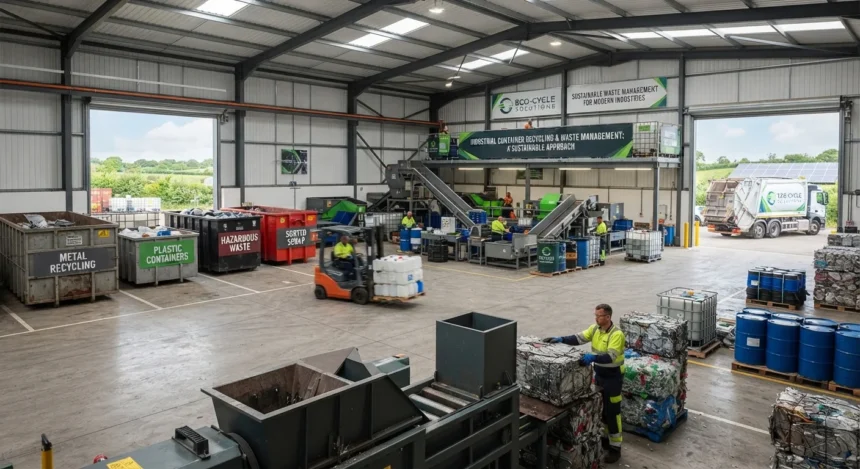
Industrial businesses generate large volumes of packaging waste through manufacturing, transportation, chemical processing, and material handling. Managing these materials responsibly is essential for maintaining workplace safety, meeting environmental regulations, and reducing operational costs. Effective recycling programs help companies handle used plastic drums and other industrial containers while minimizing landfill waste. Companies such as Kelly Drums support industrial clients throughout the Mid-Atlantic region with professional pickup, recycling, reconditioning, and destruction services for steel, poly, and fiber drums, IBC totes, and Gaylord boxes. Their services help businesses manage hazardous materials responsibly, maintain regulatory compliance, and adopt more sustainable waste disposal practices.
Why Industrial Container Recycling Matters
Industrial containers play an important role in storing, transporting, and handling materials across different industries. Manufacturing facilities, chemical producers, pharmaceutical companies, and distribution centers regularly use drums, totes, and large packaging containers to move raw materials and finished products.
Once these containers have served their original purpose, businesses must determine the safest and most appropriate way to manage them. Simply disposing of used containers can increase waste management expenses and create unnecessary environmental concerns.
Recycling and reconditioning provide practical alternatives. Instead of sending every container to a landfill, suitable materials can be recovered, processed, and prepared for another use. This approach reduces waste, conserves resources, and supports more efficient industrial operations.
Understanding Different Types of Industrial Containers
Industrial waste management requires an understanding of the materials and containers involved. Each container type has different characteristics and may require a specific recycling or disposal process.
Steel Drums: Steel drums are commonly used to store chemicals, oils, industrial liquids, and other materials. Their durability makes them suitable for repeated industrial applications when properly inspected and reconditioned. Containers that cannot be reused may be processed through appropriate metal recycling channels.
Poly Drums: poly drums are manufactured from durable plastic materials and are widely used for transporting liquids, chemicals, and other industrial products. Depending on their previous contents and physical condition, these containers may be eligible for cleaning, reconditioning, material recovery, or responsible disposal.
Fiber Drums: Fiber drums are lightweight containers frequently used for dry materials, powders, and certain industrial products. Their disposal or recycling options depend on their construction, contamination level, and the materials they previously contained.
IBC Totes: Intermediate Bulk Containers (IBCs) are designed to transport and store larger quantities of liquids and bulk materials. Proper handling is important because their previous contents may affect whether they can be cleaned, reused, or recycled.
Gaylord Boxes: These large corrugated containers are commonly used in warehouses, manufacturing facilities, and distribution centers. Recycling suitable cardboard materials helps reduce packaging waste and supports resource conservation.
The Importance of Professional Container Pickup
Collecting used industrial containers is an important part of an effective waste management program. Businesses often accumulate large quantities of empty drums, totes, and packaging materials, creating storage challenges and potential workplace safety concerns.
Professional pickup services help industrial facilities remove unwanted containers without disrupting daily operations. Scheduled collection can also make waste management more predictable by allowing businesses to plan around production volumes and available storage space.
Proper collection is particularly important when containers previously held hazardous chemicals, industrial solvents, oils, or other regulated substances. Even seemingly empty containers may contain residual materials that require careful handling.
Working with an experienced recycling provider helps businesses establish suitable collection procedures and ensure that containers are directed toward appropriate processing facilities.
Recycling and Reconditioning Used Containers
Not every industrial container needs to be destroyed after a single use. Depending on its condition, material, and previous contents, a container may be suitable for reconditioning.
The reconditioning process generally involves inspection, appropriate cleaning, and preparation for potential reuse. This can extend the useful life of qualifying containers while reducing demand for newly manufactured packaging materials.
For example, reusable poly drums can provide an economical packaging option when they meet the necessary safety and quality requirements. Steel drums may also be reconditioned for further industrial applications.
However, not every container qualifies for reuse. Damaged, heavily contaminated, or unsuitable packaging must be directed toward an appropriate recycling or disposal process. Proper evaluation helps businesses avoid unnecessary risks while making better use of recoverable materials.
Responsible Management of Hazardous Industrial Waste
Hazardous material management is one of the most important considerations in industrial container recycling. Drums and totes that previously contained chemicals or other potentially dangerous substances may retain residues even after being emptied.
Improper storage, transportation, or disposal can create environmental hazards and expose employees to unnecessary risks. Businesses must therefore understand the requirements associated with their materials and establish appropriate handling procedures.
Professional waste management providers can help coordinate the collection and processing of industrial containers according to applicable regulations. Depending on the container and its previous contents, this may involve specialized cleaning, treatment, recycling, or controlled destruction.
Maintaining accurate records of waste transfers, collection activities, and disposal processes can also help businesses demonstrate responsible waste management practices during regulatory inspections.
How Container Recycling Supports Environmental Sustainability
Sustainability has become an important consideration for manufacturers and industrial organizations. Companies are increasingly looking for practical ways to reduce waste, conserve resources, and improve their environmental performance.
Industrial container recycling supports these objectives in several ways.
-
Reduced landfill waste: Recycling suitable containers prevents recoverable materials from unnecessarily entering landfill sites.
-
Resource conservation: Recovering steel, plastic, and cardboard materials reduces the need for additional raw material production.
-
Extended container lifespan: Reconditioning suitable packaging allows businesses to reuse containers instead of purchasing replacements.
-
Improved waste management: Organized collection and processing create more efficient disposal systems.
-
Environmental responsibility: Proper handling of potentially hazardous containers helps reduce the risk of contamination.
These benefits can contribute to broader corporate sustainability goals while helping businesses manage their packaging waste more efficiently.
Choosing the Right Industrial Recycling Partner
Selecting an industrial recycling provider requires more than comparing collection prices. Businesses should consider the provider’s experience, processing capabilities, service coverage, and understanding of relevant environmental requirements.
A reliable partner should be able to handle different container materials, coordinate scheduled pickups, and explain the available options for recycling, reconditioning, or destruction.
Regional coverage is another important consideration. Companies operating multiple facilities may benefit from working with a provider that can support their container management requirements across different locations.
Kelly Drums is an example of a specialized provider serving industrial customers throughout the Mid-Atlantic region. Its services include pickup, recycling, reconditioning, and destruction of steel, poly, and fiber drums, IBC totes, and Gaylord boxes. By offering solutions for different types of industrial packaging, the company helps businesses manage used containers, address hazardous material handling requirements, and support environmentally responsible disposal practices.
Building a More Efficient Waste Management Strategy
An effective industrial waste management strategy begins with identifying the types and quantities of containers generated by daily operations. Businesses should assess their storage capacity, establish collection schedules, and determine which materials may be suitable for reuse or recycling.
Separating different container types can also improve handling efficiency. Steel drums, poly drums, fiber containers, and cardboard packaging may require different processing methods, making organized storage and collection particularly valuable.
Companies should additionally review their waste management procedures regularly to identify opportunities for improvement. Monitoring recycling volumes, disposal costs, and container recovery rates can provide useful information about the effectiveness of existing programs.
Working with an experienced recycling partner can make this process easier by providing access to appropriate collection and processing services.
Conclusion
Industrial container recycling is an important part of responsible manufacturing and waste management. By properly handling used drums, IBC totes, and packaging materials, businesses can reduce landfill waste, recover valuable resources, improve workplace safety, and maintain compliance with applicable environmental requirements.
From plastic container recycling to the reconditioning of reusable steel and poly drums, choosing appropriate waste management solutions can deliver both operational and environmental benefits. Working with experienced providers such as Kelly Drums gives industrial organizations access to specialized container pickup, recycling, reconditioning, and destruction services that support cleaner, safer, and more sustainable industrial operations.