Investing in heavy machinery is an important step for businesses involved in construction, manufacturing, transportation, and industrial operations. However, purchasing expensive equipment outright can put significant pressure on cash flow. heavy equipment financing offers a practical way to acquire essential machinery while spreading the cost over manageable payments. Companies such as Thirty3 Capital help businesses explore tailored financing solutions for heavy machinery acquisitions, including asset-backed financing and monthly payment planning tools. Their flexible, strategic approach allows businesses to secure the equipment they need while maintaining better control over operating expenses and available capital.
Understanding Heavy Equipment Financing
Heavy equipment financing allows businesses to purchase or acquire machinery without paying the entire cost upfront. Instead, the equipment is financed through structured payment arrangements that fit the company’s financial position and operational requirements.
This approach is particularly valuable for businesses that depend on machinery to complete projects, maintain productivity, and meet customer deadlines. Rather than tying up substantial funds in a single purchase, companies can distribute equipment costs over an agreed period.
Depending on the financing arrangement, businesses may have different options for ownership, repayment terms, interest rates, and equipment security. Choosing the right structure requires an understanding of both current financial resources and long-term business objectives.
Why Businesses Need Flexible Equipment Financing
Heavy machinery represents a major investment. Excavators, bulldozers, cranes, loaders, dump trucks, and other industrial equipment can involve considerable purchase and maintenance costs.
Flexible financing helps businesses manage these expenses without unnecessarily restricting their working capital. Companies can preserve funds for employee wages, materials, transportation, insurance, and other daily operational needs.
There are several advantages to choosing a suitable financing arrangement:
- Improved cash flow: Spreading equipment costs over time helps businesses maintain access to working capital.
- Access to modern machinery: Companies can invest in equipment that improves efficiency and supports larger projects.
- Predictable payments: Structured repayment schedules make financial planning easier.
- Business growth: Additional machinery can help contractors accept more projects and increase operational capacity.
- Financial flexibility: Businesses can explore different repayment structures according to their budgets and requirements.
These benefits make financing an important consideration for companies looking to expand without placing unnecessary pressure on their finances.
Exploring Heavy Construction Equipment Financing
Construction businesses often require specialized machinery to complete demanding projects efficiently. From earthmoving and excavation to road development and commercial construction, the right equipment plays an essential role in maintaining productivity.
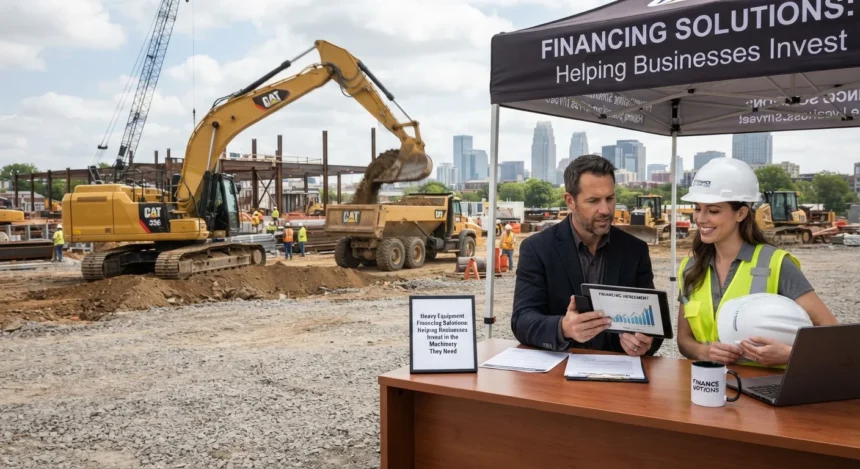
heavy construction equipment financing helps contractors and construction companies obtain machinery such as excavators, bulldozers, wheel loaders, cranes, graders, and other essential assets.
Instead of delaying projects while saving for expensive equipment purchases, businesses can explore financing arrangements that allow them to acquire machinery when it is needed.
The appropriate financing solution depends on several factors, including equipment value, business revenue, project requirements, repayment capacity, and the expected working life of the machinery.
For contractors managing multiple projects, having access to suitable equipment can also improve scheduling and reduce reliance on equipment rental companies. However, businesses should compare financing costs against rental expenses and consider maintenance, insurance, and depreciation before making a decision.
Asset-Backed Financing for Machinery Acquisitions
Asset-backed financing is another option worth considering when purchasing expensive industrial equipment. Under this arrangement, the machinery being financed may serve as security for the financing, depending on the agreement and lender requirements.
This structure can help businesses access funding for equipment acquisitions while connecting the financing arrangement to a tangible business asset.
For example, a construction company purchasing a new excavator may explore an asset-backed financing arrangement instead of using all its available working capital. The company can then structure payments around its financial resources and expected business activity.
Before accepting an agreement, businesses should carefully review the asset valuation, security requirements, repayment conditions, fees, and potential consequences of missed payments.
Planning Monthly Equipment Payments
Monthly payment planning is an important part of responsible equipment financing. Businesses should understand the full financial commitment before purchasing machinery or signing a financing agreement.
A realistic payment plan considers more than the monthly installment. Companies should also account for fuel, maintenance, repairs, insurance, transportation, operator wages, and other ownership expenses.
Financing providers offering monthly payment planning tools can help businesses estimate potential repayment obligations and compare different financing structures.
A useful equipment financing assessment should include:
- Equipment purchase price: Determine the total cost of the machinery.
- Available deposit: Establish how much capital the business can contribute initially.
- Financing period: Compare repayment periods and their effect on monthly obligations.
- Interest and additional fees: Calculate the overall financing cost rather than focusing only on installments.
- Expected business revenue: Evaluate whether the machinery can generate sufficient income to support its costs.
Careful planning helps businesses avoid taking on financial commitments that exceed their operational capacity.
Choosing the Right Equipment Financing Solution
Not every financing arrangement is suitable for every company. A small contractor purchasing a single loader may have different requirements from an established construction company expanding its machinery fleet.
Businesses should evaluate financing providers based on transparency, flexibility, eligibility requirements, available financing structures, and customer support.
It is also important to compare the total repayment amount, ownership conditions, early repayment policies, and any restrictions associated with the equipment.
Working with a financing provider that understands commercial machinery acquisitions can make the process more straightforward. Businesses should look for solutions that consider their individual circumstances instead of relying on a one-size-fits-all approach.
Supporting Long-Term Business Growth Through Strategic Financing
Access to reliable machinery can directly influence a company’s ability to complete projects, improve productivity, and compete in demanding industries. However, purchasing equipment without proper financial planning can create unnecessary pressure on business operations.
Strategic financing provides an alternative by allowing companies to acquire essential assets while distributing costs over time. When combined with realistic budgeting and careful repayment planning, this approach can support sustainable business development.
Companies should regularly review their equipment requirements, assess machinery performance, and determine whether new acquisitions will deliver sufficient operational or financial benefits.
Conclusion
Heavy equipment financing provides businesses with an effective way to invest in essential machinery while maintaining greater control over their finances. From asset-backed financing to structured monthly payment arrangements, the right solution can help construction companies, contractors, and industrial operators access the equipment required for their operations.
By comparing financing options, understanding repayment obligations, and planning for additional ownership expenses, businesses can make more informed investment decisions. A flexible and strategic financing approach allows companies to strengthen their equipment capabilities, protect working capital, and build a foundation for long-term growth.