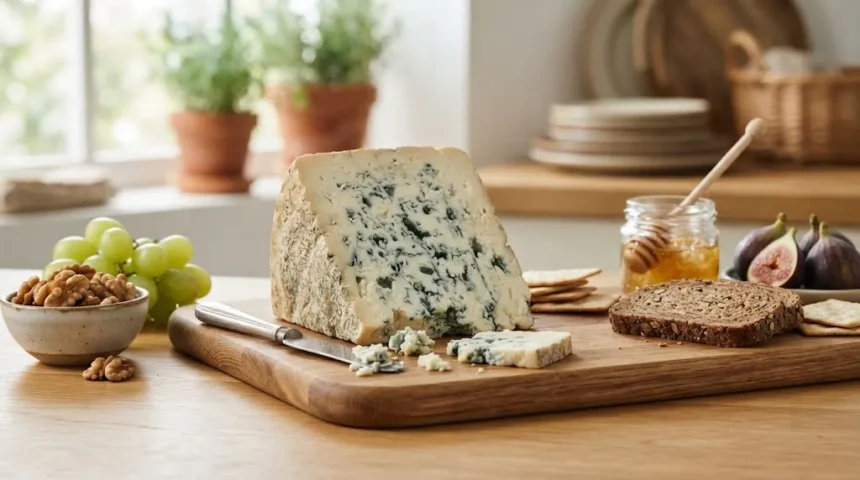
Blue Cheese: Nutrition, Benefits & Is It Healthy?
Blue cheese is one of the most recognizable cheeses in the world, known for its bold flavor, creamy or crumbly texture, and distinctive blue-green veins. Those veins come from carefully controlled cultures of Penicillium mold that are intentionally introduced during cheesemaking rather than from accidental spoilage. Depending on the variety, blue cheese can taste mild and buttery, sharp and salty, earthy, or intensely pungent. Popular varieties include Roquefort, Gorgonzola, Stilton, Danish blue, and several artisan blue-veined cheeses. Beyond its flavor, blue cheese provides protein, calcium, phosphorus, vitamin B12, and other nutrients found naturally in dairy foods. However, it can also be relatively high in sodium and saturated fat, making portion size important.
If you enjoy blue cheese but wonder whether it belongs in a healthy diet, the answer is more balanced than simply calling it good or bad. A modest serving can contribute useful nutrients while adding enough flavor that you may not need a large amount. At the same time, people managing high blood pressure, certain heart-health concerns, milk allergies, or specific medical conditions may need to be more selective. The nutritional profile also varies depending on the type of milk, aging process, moisture content, and serving size. Understanding blue cheese nutrition, potential health benefits, and possible downsides can help you make an informed choice. This guide explains what blue cheese contains, how it may support health, and how to enjoy it sensibly.
What Is Blue Cheese and How Is It Made?
Blue cheese is a category of cheese characterized by visible blue, green, or blue-gray veins created by specific Penicillium cultures. Cheesemakers typically begin with cow’s, sheep’s, or goat’s milk and add starter cultures that help transform milk sugars and develop flavor. The curds are formed, drained, salted, shaped, and then prepared for the development of the characteristic blue mold. Small channels may be created within the cheese to allow oxygen to enter because the mold needs air to grow properly. As the cheese ages, the cultures create distinctive veins and contribute to its aroma, texture, and sharp flavor. Different production techniques result in a wide range of blue cheese styles.
The mold used to make blue cheese is intentionally selected and managed under controlled food-production conditions. This is very different from discovering unexpected fuzzy mold growing on food that has been stored too long. In blue cheese, mold cultures are part of the manufacturing process and play a central role in creating the desired flavor and appearance. Penicillium roqueforti is one of the best-known cultures associated with blue-veined cheeses, although production practices vary among cheese styles. During aging, enzymes break down proteins and fats in the cheese, creating many of the complex flavors people associate with blue cheese. The result can range from creamy and mellow to strongly aromatic and spicy.
Several famous types of blue cheese have developed around regional cheesemaking traditions. Roquefort is traditionally produced from sheep’s milk and is known for its moist texture and powerful salty flavor. Gorgonzola comes in styles ranging from soft and creamy to firmer and more intense, making it suitable for sauces, salads, or cheese boards. Stilton generally has a rich, crumbly texture with an earthy flavor and is commonly served as a table cheese. Danish blue often provides a more straightforward salty and tangy profile that works well in dressings and cooking. Artisan producers around the world now make additional varieties using cow, goat, sheep, or blended milk.
Blue cheese can vary significantly in texture because moisture levels and aging periods influence the final product. Softer versions may spread easily onto bread or melt smoothly into sauces, while firmer varieties can be crumbled over vegetables, soups, steaks, or salads. Longer aging usually develops deeper flavor, although intensity also depends on the cultures, milk, salt content, and production technique. The color of the veins does not necessarily tell you whether one blue cheese is healthier than another. Instead, nutritional differences are more likely to result from fat content, moisture, sodium, milk type, and serving size. Reading the nutrition label is therefore useful when comparing packaged blue cheese products.
Despite its strong flavor, blue cheese does not need to be eaten in large quantities to contribute to a meal. A small crumble can add saltiness and richness to roasted vegetables, salads, whole grains, fruit, or lean protein dishes. This concentrated flavor may actually make portion control easier for some people because a modest amount changes the taste of an entire dish. Blue cheese can therefore fit into many dietary patterns when consumed alongside vegetables, fruits, whole grains, legumes, and other nutrient-dense foods. The key is to think of it as a flavorful component rather than the nutritional foundation of the meal. This approach provides enjoyment while keeping calories, sodium, and saturated fat more manageable.
Blue Cheese Nutrition Facts
Blue cheese is a nutrient-dense dairy food, meaning a relatively small portion provides several important nutrients along with a notable amount of calories and fat. A typical one-ounce serving, which is approximately 28 grams, often provides around 100 calories, although exact values vary by variety and manufacturer. That serving generally contains several grams of protein as well as fat, calcium, phosphorus, sodium, and vitamin B12. Some blue cheeses also provide meaningful amounts of vitamin A, riboflavin, zinc, and other micronutrients. Because different products have different moisture and fat levels, nutrition labels may show noticeable variation. Always use the label on your specific cheese when tracking nutrients closely.
Protein is one of the useful nutrients found in blue cheese. Dairy proteins contain all essential amino acids, making them complete proteins that the body can use for maintaining muscles, repairing tissues, producing enzymes, and supporting many other functions. A small serving of blue cheese will not usually provide as much protein as a large serving of yogurt, eggs, meat, fish, tofu, or legumes. However, it can contribute additional protein when combined with other foods throughout the day. For example, adding blue cheese to a salad containing beans or chicken can increase both flavor and nutrient density. People with higher protein needs should still build meals around larger, more substantial protein sources.
Blue cheese is also known for its calcium content, which contributes to the nutritional value of many dairy foods. Calcium plays an important role in maintaining bones and teeth while also supporting muscle contraction, nerve signaling, and normal physiological processes. Phosphorus, another mineral naturally present in cheese, works alongside calcium in maintaining skeletal structure. This combination can make cheese useful for people who consume dairy as part of their regular diet. However, blue cheese should not be viewed as the only way to obtain these minerals because milk, yogurt, fortified foods, leafy vegetables, tofu, and other foods can also contribute. Dietary variety remains important for meeting long-term nutritional needs.
Vitamin B12 is another valuable nutrient commonly present in blue cheese and other animal-derived dairy foods. The body needs vitamin B12 for healthy red blood cell formation, normal neurological function, and DNA production. Blue cheese may also contain riboflavin, sometimes called vitamin B2, which helps the body process energy from food. Small amounts of other vitamins and minerals can contribute to overall dietary intake as well. However, the exact micronutrient profile depends on the milk source, processing method, and cheese variety. People following a strictly vegan diet will need other fortified foods or supplements for vitamin B12 because conventional blue cheese is produced from animal milk.
The main nutritional concerns with blue cheese are usually sodium and saturated fat rather than a lack of beneficial nutrients. Salt plays an important role in cheesemaking because it contributes to preservation, moisture control, texture, and flavor development. As a result, even a small serving can contain a noticeable amount of sodium. Blue cheese also contains saturated fat because it is made from milk fat, and frequent large servings may contribute significantly to overall saturated fat intake. Neither factor automatically makes the cheese unhealthy, but both make portion awareness important. Balancing blue cheese with minimally processed foods that are naturally lower in sodium and saturated fat can help create a more balanced eating pattern.
Potential Health Benefits of Blue Cheese
One of the strongest nutritional benefits of blue cheese is its contribution to bone health through calcium and phosphorus. Bones continuously undergo processes of breakdown and rebuilding, so obtaining adequate minerals throughout life is important for maintaining skeletal strength. Calcium also contributes to normal muscle and nerve function, meaning its benefits extend beyond the skeleton. Blue cheese can contribute toward daily calcium intake, particularly for people who enjoy dairy foods but consume relatively little milk. However, bone health depends on several factors, including vitamin D status, physical activity, protein intake, hormones, age, and overall nutrition. Blue cheese can support a bone-friendly diet, but it should not be viewed as a standalone solution.
The protein in blue cheese may contribute to muscle maintenance and satiety. Protein helps repair and maintain body tissues and can make meals feel more satisfying when combined with fiber-rich foods. Adding a modest amount of blue cheese to a vegetable salad, for example, may increase flavor while providing additional protein and fat that make the meal more filling. This does not mean blue cheese should replace more substantial protein sources when your meal needs a larger protein contribution. Instead, it works well as a supporting ingredient alongside beans, lentils, poultry, eggs, fish, or other protein-rich foods. Combining different foods can create meals that are both satisfying and nutritionally balanced.
Blue cheese also provides vitamin B12, a nutrient that supports healthy nerves and normal red blood cell production. People who regularly consume dairy, eggs, seafood, meat, or fortified foods often obtain B12 from several dietary sources. Including blue cheese can make a small additional contribution, particularly when it is eaten regularly in appropriate portions. Vitamin B12 deficiency can have important health consequences, but eating blue cheese alone is not a reliable treatment for deficiency. Anyone diagnosed with low B12 levels should follow professional medical or nutritional guidance. The greater point is that blue cheese contains more than calories and fat; it also delivers several micronutrients that perform meaningful roles in the body.
Fermented foods often attract attention because of their relationship with microorganisms, and blue cheese is produced using both bacterial cultures and mold cultures. Some cheeses may contain living microorganisms when consumed, but this does not automatically mean every blue cheese should be classified as a proven probiotic food. A probiotic must provide specific live microorganisms in adequate amounts with demonstrated health benefits, and commercial cheeses vary considerably in their cultures and processing methods. Therefore, claims that blue cheese universally improves gut health should be treated cautiously. Fermentation certainly shapes its flavor and composition, but the health effects depend on the specific microorganisms involved. Yogurt or other products labeled with documented live cultures may provide more predictable probiotic information.
The intense flavor of blue cheese may offer an indirect dietary benefit because small portions can provide substantial taste. Rich, salty, umami foods can make vegetables and other minimally processed ingredients more appealing, potentially improving overall meal satisfaction. A few crumbles of blue cheese can transform roasted broccoli, pears, walnuts, lentils, leafy greens, or baked potatoes without requiring a large serving. This can be particularly useful for people who find plain vegetables unappealing. Of course, adding cheese does not automatically make every meal healthier, especially if it is combined with large amounts of processed meat or creamy dressing. The benefit comes from using strong flavor strategically within a balanced meal rather than treating cheese as an unlimited food.
Is Blue Cheese Healthy?
For most people who tolerate dairy, blue cheese can be part of a healthy diet when eaten in moderate portions. It provides valuable nutrients such as calcium, protein, phosphorus, and vitamin B12, while its strong flavor makes a small serving satisfying. Whether it is healthy for you depends largely on your overall dietary pattern rather than one ingredient viewed in isolation. Someone eating plenty of vegetables, fruit, whole grains, legumes, and varied protein sources can generally include cheese differently from someone whose diet already contains large amounts of sodium and saturated fat. Frequency and portion size therefore matter. Blue cheese can contribute nutrition without needing to appear at every meal.
The word “healthy” can sometimes make nutrition unnecessarily confusing because foods rarely fall into perfectly good or bad categories. Blue cheese has benefits and limitations at the same time, which is common for many nutrient-dense foods. Its calcium and protein are useful, but its sodium and saturated fat may need to be considered within your daily intake. A small amount used to enhance a vegetable-rich meal has a different nutritional impact from repeatedly eating very large portions with processed meats and refined snacks. Context matters because health is shaped by long-term eating patterns. Instead of asking whether blue cheese is universally healthy, it may be more useful to ask whether your usual portion fits your personal nutritional needs.
People following a heart-conscious eating pattern may still be able to enjoy blue cheese, but moderation becomes particularly relevant because of saturated fat and sodium. Dietary guidance generally emphasizes limiting excessive saturated fat while choosing more unsaturated fats from foods such as nuts, seeds, olive oil, and fish when appropriate. This does not necessarily require completely eliminating full-fat cheese. A smaller portion can provide the distinctive flavor while leaving room for other fat sources during the day. People managing elevated cholesterol, cardiovascular disease, or other health concerns should follow individualized advice from their healthcare professional or registered dietitian. Personal medical needs can affect what an appropriate amount looks like.
Blue cheese can also fit into lower-carbohydrate dietary patterns because it naturally contains relatively little carbohydrate compared with bread, pasta, sweets, or many snack foods. However, low carbohydrate content alone does not determine whether a food supports overall health. People following low-carb diets still need adequate fiber, vitamins, minerals, and a thoughtful balance of fats and proteins. Combining blue cheese with vegetables, nuts, seeds, and other whole foods can provide a more nutritionally complete meal than eating cheese alone. The same principle applies to ketogenic diets or other restrictive eating approaches. A food can meet a macronutrient target while still needing to be considered within the quality and variety of the total diet.
Ultimately, blue cheese is best viewed as a flavorful, nutrient-rich food that works well in sensible portions. You do not need to eat it for good health, and people who dislike it can obtain the same essential nutrients elsewhere. At the same time, there is usually no reason for a healthy adult who enjoys blue cheese to fear occasional moderate servings solely because the cheese contains fat or salt. Nutrition is about patterns, frequency, quantity, and individual needs rather than perfect food choices. Pairing blue cheese with nutrient-dense ingredients makes it easier to enjoy its flavor without allowing sodium or saturated fat to dominate the meal. This balanced approach is practical, sustainable, and more useful than labeling blue cheese simply healthy or unhealthy.
Possible Downsides and Risks of Blue Cheese
The relatively high sodium content of blue cheese is one of its main nutritional disadvantages. Salt is intentionally used during cheesemaking, and blue varieties often have a noticeably salty flavor compared with some fresh cheeses. People who eat several ounces at once can therefore consume a substantial amount of sodium before considering the rest of the meal. High sodium intake can be particularly relevant for individuals managing high blood pressure, heart failure, kidney disease, or other conditions where sodium restriction has been recommended. Choosing a smaller serving can make a meaningful difference. Comparing nutrition labels may also help because sodium levels can vary considerably between different brands and types of blue cheese.
Saturated fat is another factor worth considering, especially if you frequently eat other high-saturated-fat foods. Full-fat cheese contains milk fat, which naturally includes saturated fatty acids. Current nutrition advice generally encourages keeping saturated fat within reasonable limits while emphasizing foods rich in unsaturated fats. This does not necessarily mean blue cheese must be eliminated, but large daily portions may make it harder to maintain your preferred nutritional balance. Using a smaller crumble instead of a thick serving can preserve much of the flavor with less total fat. People with specific cholesterol or cardiovascular concerns should discuss their overall dietary pattern with a qualified healthcare professional rather than changing one food in isolation.
Anyone with a cow’s milk protein allergy should generally avoid blue cheese made from cow’s milk because cheese still contains milk proteins capable of triggering an allergic reaction. Blue cheese produced from sheep’s or goat’s milk is not necessarily a safe alternative because the proteins can be similar enough to trigger reactions in some people. Milk allergy is different from lactose intolerance, which involves difficulty digesting the milk sugar lactose rather than an immune reaction to milk proteins. Many aged cheeses contain relatively little lactose, so some people with lactose intolerance may tolerate small servings better than milk. Individual tolerance varies, however, and digestive symptoms should guide personal choices. Severe milk allergy requires much greater caution than ordinary lactose intolerance.
Food safety deserves special attention for people at increased risk of serious foodborne illness. Soft or moisture-rich cheeses can sometimes support harmful bacteria if contamination occurs, particularly when they are produced from unpasteurized milk or handled incorrectly. Pregnant people, older adults, people with weakened immune systems, and others at increased risk from infections such as listeriosis should follow the food-safety guidance provided in their country. Recommendations can differ depending on whether the cheese is pasteurized, soft, refrigerated, or thoroughly heated. Reading the product label is important when you are unsure about the milk source. When pregnancy or immune suppression is involved, personalized professional guidance is preferable to relying on general internet advice.
Blue cheese can also cause problems if it is stored incorrectly or kept beyond a safe period. Because the cheese intentionally contains blue-green mold, identifying unwanted spoilage can be more complicated than it is with plain cheese. Unexpected fuzzy growth with unusual colors, major changes in smell, slimy textures, or questionable storage conditions can indicate that the cheese should not be eaten. Do not assume that every visible mold is automatically safe simply because blue cheese is mold-ripened. Proper refrigeration and clean handling help reduce contamination after purchase. When you are uncertain whether a cheese has spoiled, discarding it is generally safer than trying to remove suspicious areas and eating the remainder.
How Much Blue Cheese Should You Eat?
There is no single serving size that is perfect for everyone, but approximately one ounce, or 28 grams, is a practical reference portion for many cheeses. That amount is usually enough to provide noticeable flavor along with protein, calcium, fat, and sodium. Because blue cheese has an intense taste, some meals need considerably less than one ounce to feel satisfying. A tablespoon or two of crumbled cheese can be enough for salads, roasted vegetables, grain bowls, or sandwiches. Portion awareness matters more if you consume cheese several times during the day. Instead of viewing the serving size as a strict rule, use it as a practical way to understand how much nutrition you are adding.
Your ideal intake depends on the rest of your diet. If breakfast already includes cheese, lunch contains processed meat, and dinner includes a salty prepared meal, adding a large amount of blue cheese may push sodium and saturated fat higher than intended. On another day, a modest amount of blue cheese paired with vegetables, beans, whole grains, and fruit may fit easily within a balanced eating pattern. This is why individual foods should be evaluated in context. Looking at the entire day’s meals provides more useful information than worrying about a single serving. People with prescribed sodium, calorie, protein, or fat targets should adjust portions according to their specific nutritional plan.
Blue cheese can work particularly well when used as a seasoning-like ingredient rather than the main component of a meal. Crumble it over a large salad containing spinach, pears, walnuts, and a source of lean protein for strong flavor in every bite. A small amount can also be melted onto roasted cauliflower, stirred into mashed vegetables, or added to a whole-grain sandwich. Pairing it with naturally lower-sodium foods helps balance the overall meal. Fresh fruits such as apples, figs, pears, and grapes also complement its sharp flavor without adding additional salt. These combinations allow you to enjoy the distinctive qualities of blue cheese while building the rest of the plate around more nutrient-dense ingredients.
If weight management is one of your goals, portion size becomes useful because cheese is relatively energy dense. Foods containing significant fat provide more calories per gram than foods dominated by carbohydrate or protein, so small changes in portions can make a noticeable difference over time. This does not mean you need to choose fat-free substitutes or avoid flavorful cheese completely. In fact, a small amount of strongly flavored blue cheese may be more satisfying than a larger portion of something you enjoy less. Measure your usual serving once or twice if you are curious about how much you normally eat. After that, you can often estimate a reasonable portion without turning every meal into a calculation.
People with particular health conditions may need a different approach from the general population. Someone following a medically prescribed low-sodium diet may need much smaller portions or may choose lower-sodium cheese alternatives more frequently. A person who needs extra calories and protein may have different priorities, while someone with a dairy allergy would need to avoid conventional blue cheese entirely. Nutrition should always be adjusted to individual health needs rather than based solely on generic serving recommendations. If you have kidney disease, cardiovascular conditions, food allergies, pregnancy-related concerns, or another condition affecting your diet, individualized guidance can be especially useful. For most healthy adults, moderation and dietary variety remain the simplest practical approach.
How to Choose, Store, and Enjoy Blue Cheese
Choosing good blue cheese starts with deciding what flavor and texture you prefer. If you are new to blue cheese, a milder creamy variety may be easier to enjoy than a strongly aged, salty cheese. People who already enjoy pungent flavors may prefer a firmer or longer-aged variety with more pronounced blue veining. Read the ingredient list and nutrition label if sodium, calories, or milk type matters to you. The label can also tell you whether the product is made from pasteurized milk, which may be important for certain consumers. Buying a smaller amount from a reputable retailer can be useful because blue cheese has strong flavor and may take time to finish.
Storage is important for maintaining both quality and food safety. Blue cheese should generally be refrigerated and kept well wrapped or stored in an appropriate container to prevent excessive drying and reduce contact with other foods. Follow any storage instructions printed by the producer because different cheese styles may have different recommended periods after opening. Avoid leaving cheese at room temperature for prolonged periods, especially in warm environments. Use clean utensils when cutting or serving it so bacteria from other foods are not introduced unnecessarily. If the cheese develops suspicious changes that differ substantially from its normal appearance, texture, or smell, it is safer to discard it rather than guess whether it remains suitable to eat.
Blue cheese works especially well with ingredients that balance its saltiness and strong aroma. Sweet fruits such as pears, apples, grapes, and figs can contrast with the sharp taste, while walnuts and pecans provide texture and unsaturated fats. Vegetables such as spinach, arugula, broccoli, cauliflower, and roasted squash can also pair well with small amounts of crumbled blue cheese. Whole grains and legumes add fiber, helping transform cheese from a simple snack into part of a more complete meal. When making salads, consider using blue cheese itself as one of the main flavor elements rather than adding large amounts of both cheese and salty dressing. Simple combinations often allow its natural flavor to stand out.
Cooking with blue cheese can make modest portions go further because melting distributes the flavor throughout a dish. A small amount stirred into a warm sauce can flavor several servings of pasta, vegetables, or potatoes. Blue cheese can also be added near the end of cooking so its flavor remains noticeable without requiring a large quantity. For burgers or sandwiches, a thin layer may provide enough richness that additional high-sodium condiments are unnecessary. It can even be combined with plain yogurt in homemade dressings to create a lighter texture while maintaining the characteristic blue cheese flavor. Experimenting with portions helps you find the smallest amount that still delivers the experience you enjoy.
The healthiest way to enjoy blue cheese is ultimately the way that fits comfortably into a varied and realistic diet. You do not have to pair it only with traditionally “healthy” foods, but regularly combining it with vegetables, fruit, whole grains, legumes, and quality protein sources creates a stronger nutritional foundation. Enjoying favorite foods in sensible portions can also make healthy eating feel less restrictive and easier to maintain over time. Blue cheese is particularly useful because its intense flavor naturally encourages smaller quantities. Pay attention to how much you eat, how often you eat it, and what else appears on your plate. Those everyday patterns matter much more than whether one individual cheese is labeled good or bad.
Frequently Asked Questions About Blue Cheese
Is blue cheese good for you? Blue cheese can be good for you in moderate amounts because it provides protein, calcium, phosphorus, vitamin B12, and other nutrients. Its sodium and saturated fat content means it is usually best enjoyed as part of a varied diet rather than in very large portions.
Is the mold in blue cheese safe to eat? The blue-green mold in properly produced blue cheese is intentionally added using selected Penicillium cultures and is part of the normal cheesemaking process. This is different from unexpected mold that develops when ordinary food spoils.
Does blue cheese contain probiotics? Blue cheese is fermented using microorganisms, and some varieties may contain living cultures. However, not every blue cheese has been shown to provide specific probiotic benefits, so it should not automatically be considered equivalent to a product specifically formulated and labeled with documented probiotic strains.
Can people with lactose intolerance eat blue cheese? Many aged cheeses contain relatively low amounts of lactose, so some people with lactose intolerance can tolerate modest portions of blue cheese. Individual tolerance varies, and lactose intolerance should not be confused with milk allergy, which can cause potentially serious immune reactions.
Is blue cheese high in calories? Blue cheese is relatively calorie dense because it contains a significant amount of milk fat, with a typical one-ounce serving often providing around 100 calories. Portion size makes it possible to enjoy the strong flavor without consuming a large amount.
Is blue cheese high in protein? Blue cheese provides useful protein, although it is generally not as protein-dense per typical serving as foods such as lean meat, fish, eggs, Greek yogurt, or some legumes. It works well as an additional protein source rather than necessarily being the primary protein in a meal.
Is blue cheese bad for cholesterol? Blue cheese contains saturated fat, so large amounts may not fit well within some cholesterol-lowering dietary plans. People managing high cholesterol can often focus on smaller servings while emphasizing unsaturated fats and following individualized advice from their healthcare professional.
Can you eat blue cheese every day? A small daily portion may fit into the diet of some healthy adults, but your total sodium, saturated fat, calories, and overall dietary pattern should be considered. Variety is generally preferable because rotating different nutrient-rich foods provides a broader range of nutrients.
Can pregnant women eat blue cheese? Food-safety recommendations for blue cheese during pregnancy can depend on the type of cheese, whether the milk was pasteurized, and whether the cheese is thoroughly cooked. Pregnant people should follow their local public-health guidance and advice from their maternity healthcare professional.
What is the healthiest way to eat blue cheese? Use a modest amount with nutrient-dense foods such as leafy vegetables, pears, apples, walnuts, beans, whole grains, or roasted vegetables. This approach allows you to enjoy its intense flavor while keeping sodium and saturated fat in perspective.