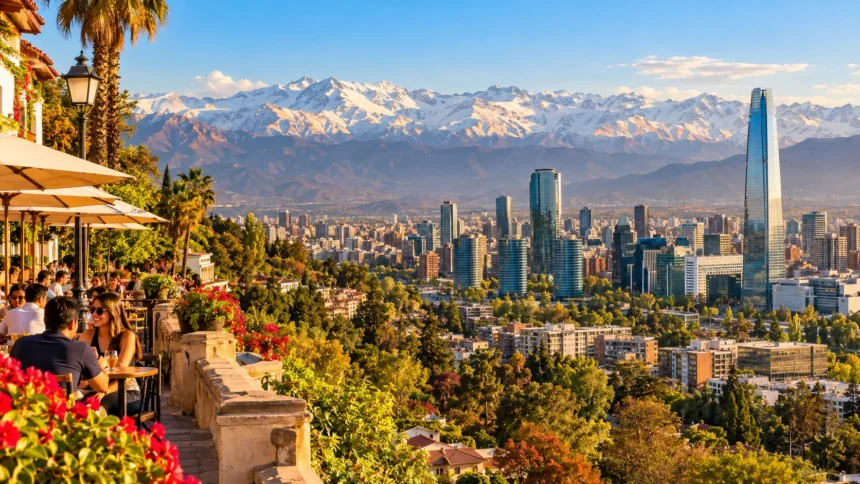
Santiago is one of South America’s most exciting capital cities, offering a fascinating combination of history, culture, modern architecture, and beautiful natural scenery. Surrounded by the magnificent Andes Mountains, Chile’s capital attracts travelers who enjoy exploring historic landmarks, colorful neighborhoods, and lively public spaces. From impressive viewpoints to traditional markets, Santiago provides memorable experiences for different types of visitors.
Exploring the best things to do in Santiago allows travelers to discover the city’s distinctive personality. You can admire colonial architecture, visit interesting museums, enjoy authentic Chilean cuisine, or explore peaceful urban parks. The city also serves as a convenient starting point for exciting excursions into the surrounding mountains and coastal regions.
This Santiago travel guide covers the city’s most popular attractions, hidden gems, cultural experiences, and practical travel tips. Whether you are planning a short city break or a longer vacation in Chile, this guide will help you discover the best places to visit and make the most of your journey.
Why Visit Santiago, Chile?
Santiago is a fascinating destination because it combines historical charm with the energy of a modern metropolitan city. Its streets feature colonial buildings, contemporary skyscrapers, attractive parks, and bustling commercial districts. The Andes Mountains provide a remarkable backdrop, making Santiago especially appealing for travelers who appreciate both urban attractions and beautiful natural landscapes.
The city also offers excellent opportunities to experience Chilean culture through museums, local markets, traditional food, and neighborhood festivals. Visitors can explore historic plazas during the day and discover restaurants or cultural venues in the evening. Different neighborhoods have their own personalities, allowing travelers to experience several sides of Santiago within one trip.
Another reason to visit Santiago is its convenient location for exploring central Chile. Mountain landscapes, coastal cities, and beautiful natural areas are accessible through organized tours or independent travel. Whether you prefer sightseeing, photography, outdoor recreation, or cultural experiences, Santiago offers plenty of activities for an enjoyable vacation.
Explore Plaza de Armas and Santiago’s Historic Center
Plaza de Armas is the historic heart of Santiago and one of the best places to begin exploring the city. This lively public square is surrounded by important buildings, pedestrian streets, and examples of traditional architecture. Visitors can enjoy the atmosphere while observing local life and admiring the historical character of central Santiago.
One of the square’s most recognizable landmarks is the Metropolitan Cathedral of Santiago. Its impressive exterior and richly decorated interior make it an important religious and architectural attraction. The surrounding streets also feature historic buildings and cultural spaces that reflect the city’s development from the colonial period into the modern era.
Walking around the historic center provides opportunities to discover local shops, cafés, and interesting urban landmarks. Travelers can also continue toward nearby government buildings and cultural attractions. Visiting during daylight hours makes it easier to appreciate the architecture, explore pedestrian areas, and navigate the neighborhood comfortably.
Visit Cerro San Cristóbal for Beautiful City Views
Cerro San Cristóbal is one of Santiago’s most popular attractions and an excellent place to appreciate the city’s dramatic mountain setting. Located within Metropolitan Park, the hill offers panoramic views across the capital. On clear days, visitors can admire the surrounding Andes and see how Santiago stretches across the valley below.
Travelers can reach different areas of the hill through walking paths, the historic funicular, or the cable car system. These options provide different perspectives of the city and surrounding parkland. At the summit, visitors will find the Sanctuary of the Immaculate Conception and viewpoints overlooking Santiago’s impressive urban landscape.
Metropolitan Park also offers gardens, recreational areas, and scenic paths for visitors who enjoy spending time outdoors. The Japanese Garden is another attractive feature within the park. Since Santiago can experience haze, choosing a clear day may provide better mountain views and more rewarding photography opportunities.
Discover Cerro Santa Lucía and Its Historic Gardens
Cerro Santa Lucía is a beautiful hill located near central Santiago and offers a pleasant escape from the surrounding city streets. The historic park features winding staircases, landscaped gardens, fountains, and attractive architectural details. Although smaller than Cerro San Cristóbal, it provides several viewpoints and a charming atmosphere for visitors.
The hill is closely connected with Santiago’s early colonial history and later urban development. Its terraces, pathways, and decorative structures reflect improvements made during the nineteenth century. Visitors can explore historic stairways and admire the distinctive Castillo Hidalgo, a building that adds character to the park’s landscape.
Walking through Cerro Santa Lucía is particularly enjoyable for travelers interested in photography and peaceful outdoor spaces. Some pathways involve steep stairs, so comfortable footwear is recommended. The surrounding area also provides convenient access to other attractions, making the hill an excellent stop during a walking tour of central Santiago.
Explore the Colorful Lastarria and Bellavista Neighborhoods
Barrio Lastarria is one of Santiago’s most attractive cultural neighborhoods, known for its historic buildings, artistic atmosphere, and independent businesses. Its streets feature inviting cafés, bookstores, restaurants, and small shops. Visitors can enjoy walking through the neighborhood while discovering local architecture and the creative character of the surrounding area.
Bellavista offers a different experience through its colorful street art, lively restaurants, and cultural attractions. The neighborhood sits near Cerro San Cristóbal, making it convenient for travelers exploring Metropolitan Park. Its murals and distinctive buildings provide excellent photography opportunities and reflect Santiago’s energetic artistic community.
One notable attraction in Bellavista is La Chascona, a house associated with the famous Chilean poet Pablo Neruda. The property operates as a museum and offers insight into his life and personal collections. Combining Lastarria and Bellavista provides a memorable introduction to Santiago’s cultural diversity and neighborhood atmosphere.
Visit Santiago’s Best Museums and Cultural Attractions
Santiago has several interesting museums that help visitors understand Chilean history, art, and cultural traditions. The Chilean Museum of Pre-Columbian Art is particularly important because it displays artifacts representing Indigenous societies from different parts of the Americas. Its collections provide valuable insight into artistic traditions and historical civilizations.
Another important destination is the Museum of Memory and Human Rights, which examines human rights violations during Chile’s military dictatorship. The museum presents historical information through documents, photographs, and personal accounts. Visitors interested in modern Chilean history can gain a deeper understanding of the country’s experiences and democratic development.
Art enthusiasts may also enjoy the National Museum of Fine Arts, housed in an elegant building near Parque Forestal. Its collections and exhibitions showcase different artistic styles and historical periods. Checking opening days, exhibition schedules, and admission policies beforehand can help travelers plan their museum visits more efficiently.
Experience Sky Costanera and Santiago’s Modern Skyline
Sky Costanera is one of Santiago’s most impressive modern attractions and provides outstanding panoramic views. The observation deck occupies the upper floors of Gran Torre Costanera, one of South America’s tallest buildings. From approximately 300 meters above the city, visitors can admire Santiago’s skyline and the surrounding mountain scenery.
The observation experience includes large viewing windows that reveal different parts of the capital. On clear days, the Andes create a dramatic background behind the city’s buildings and urban neighborhoods. Sunset is especially popular because the changing light creates beautiful contrasts between the mountains and illuminated streets.
Sky Costanera is located in Providencia and forms part of the larger Costanera Center complex. Visitors can combine their observation deck experience with shopping or dining nearby. Admission prices and opening schedules may change, so it is useful to confirm the latest information before organizing your visit.
Discover Santiago’s Local Markets and Traditional Food
Exploring Santiago’s food culture is an enjoyable way to experience everyday Chilean life. The city offers traditional restaurants, neighborhood cafés, street food stalls, and lively markets. Visitors can discover dishes influenced by Chile’s agricultural regions, coastal communities, and long-standing culinary traditions while exploring different areas of the capital.
Mercado Central is one of Santiago’s best-known markets and is particularly associated with seafood. The historic market building attracts visitors interested in local ingredients and traditional dining experiences. Another popular destination is La Vega Central, where vendors sell fresh produce, herbs, and a wide variety of everyday food products.
Traditional Chilean foods worth trying include empanadas, pastel de choclo, cazuela, and completos. Empanadas are filled pastries, while pastel de choclo is a comforting corn-based dish. Trying different local foods gives travelers an opportunity to appreciate Chilean flavors while discovering the city’s diverse dining scene.
Relax in Santiago’s Parks and Green Spaces
Santiago offers several attractive parks where visitors can relax between sightseeing activities. Parque Forestal is a popular green space near the city center, featuring tree-lined paths and open areas. Its location close to museums and cultural neighborhoods makes it convenient for travelers exploring central Santiago on foot.
Parque Bicentenario in Vitacura provides another enjoyable outdoor experience with landscaped lawns, ponds, and walking paths. The park is known for its modern design and peaceful surroundings. Visitors can enjoy scenic views, observe birds, or spend time relaxing away from the busiest commercial streets.
These green spaces are especially useful for travelers who want a balance between cultural sightseeing and outdoor recreation. Morning walks and relaxed afternoon visits can provide welcome breaks during busy travel schedules. Bringing water, wearing comfortable footwear, and checking weather conditions can make park visits more enjoyable.
Best Day Trips from Santiago, Chile
Santiago is an excellent starting point for exploring some of central Chile’s most beautiful destinations. One popular excursion is Valparaíso, a colorful coastal city known for hillside neighborhoods, historic funiculars, and distinctive street art. Travelers can explore its scenic streets and enjoy views of the Pacific Ocean during a full-day visit.
Cajón del Maipo is another rewarding destination for travelers who enjoy mountain landscapes and outdoor scenery. Located southeast of Santiago, this Andean area features rivers, rugged valleys, and impressive natural surroundings. Travel conditions vary by season, and some higher mountain routes require careful planning or organized transportation.
Visitors may also consider exploring the Maipo Valley, which features rural landscapes, historic estates, and agricultural communities. Other outdoor opportunities include seasonal mountain excursions and scenic viewpoints. When planning day trips, account for driving distances, weather changes, transportation availability, and any access restrictions affecting your destination.
Best Time to Visit Santiago for Sightseeing
Spring, from September through November, is a pleasant season for visiting Santiago. Temperatures generally become warmer, parks begin displaying fresh greenery, and outdoor sightseeing becomes comfortable. This period is particularly appealing for travelers interested in walking tours, gardens, and exploring different neighborhoods without the strongest summer heat.
Summer runs from December through February and brings warm to hot weather with many sunny days. These conditions can be excellent for sightseeing, although midday temperatures may feel uncomfortable during hotter periods. Autumn, from March through May, offers another attractive travel season with cooler temperatures and changing colors in some urban landscapes.
Winter occurs between June and August, bringing cooler temperatures and the possibility of rain in Santiago. Snowfall is more common in the nearby mountains than in the city itself. Winter can provide beautiful views of snow-covered Andes peaks, although clouds, rainfall, and seasonal air pollution may reduce visibility on certain days.
How to Plan the Perfect Santiago Travel Itinerary
A well-organized Santiago itinerary should combine historical attractions, cultural neighborhoods, and scenic viewpoints. On your first day, explore Plaza de Armas, the surrounding historic center, and Cerro Santa Lucía. You can finish the afternoon in Barrio Lastarria, where restaurants and local shops provide a relaxed setting after sightseeing.
On the second day, consider visiting Cerro San Cristóbal and exploring the nearby Bellavista neighborhood. Travelers interested in cultural attractions can also include one of Santiago’s important museums. Later, visiting Sky Costanera provides an opportunity to see the city from a different perspective, particularly when weather conditions are clear.
If you have a third day, explore additional parks, markets, or neighborhoods before planning an excursion outside the city. Valparaíso or Cajón del Maipo can make rewarding day trips when transportation and weather permit. Travelers with more time can organize a relaxed itinerary without trying to fit every attraction into a single visit.
Essential Santiago Travel Tips for First-Time Visitors
Getting around Santiago is relatively convenient because the city has an extensive Metro network and public buses. The Metro connects many popular neighborhoods and attractions, making it useful for independent sightseeing. Travelers should familiarize themselves with the local fare system and consider using official transportation services when arriving from the airport.
Spanish is the main language spoken in Santiago, although English may be understood in some tourist-oriented businesses. Learning a few basic Spanish expressions can make everyday interactions easier. The official currency is the Chilean peso, and carrying a small amount of cash may be useful for certain local purchases.
As in other large cities, travelers should remain aware of their surroundings and protect personal belongings in crowded places. Avoid displaying valuables unnecessarily and use reliable transportation, particularly when traveling after dark. Checking attraction schedules, wearing comfortable walking shoes, and allowing extra time for traffic can help create a smoother experience.
Conclusion
Santiago is a rewarding destination that combines historic landmarks, vibrant neighborhoods, interesting museums, and spectacular mountain scenery. From the lively Plaza de Armas to the beautiful viewpoints of Cerro San Cristóbal, the city offers diverse experiences for travelers. Its mixture of traditional culture and modern attractions makes it an exciting place to explore.
Visitors can discover Santiago’s personality by walking through artistic neighborhoods, enjoying local food, and spending time in peaceful parks. The surrounding region also provides opportunities for memorable day trips to coastal cities and Andean landscapes. Choosing the right season and organizing attractions by location can make sightseeing more comfortable and enjoyable.
Whether you are spending a weekend or several days in Chile’s capital, this Santiago travel guide can help you plan a memorable journey. Take time to appreciate the city’s history, landscapes, and everyday culture rather than rushing between attractions. With thoughtful preparation, Santiago can become one of the highlights of your South American adventure.
Frequently Asked Questions (FAQs)
What is Santiago, Chile, best known for?
Santiago is famous for its Andes Mountain views, historic landmarks, cultural museums, and lively neighborhoods. Popular attractions include Cerro San Cristóbal, Plaza de Armas, Sky Costanera, and the colorful streets of Bellavista.
How many days are enough to explore Santiago?
Three days are generally enough to visit Santiago’s major attractions and explore several neighborhoods. Travelers interested in museums, outdoor activities, and day trips may prefer four or five days.
What is the best month to visit Santiago?
October, November, March, and April are attractive months for sightseeing because temperatures are often comfortable. Spring and autumn are particularly suitable for walking tours, outdoor attractions, and exploring Santiago’s parks.
Is Santiago safe for tourists?
Santiago is a major city where visitors should take normal urban safety precautions. Stay aware of your surroundings, protect valuables, choose reliable transportation, and exercise additional caution in unfamiliar areas after dark.
Can you explore Santiago without a car?
Yes, Santiago has an extensive Metro system, public buses, and transportation services connecting many popular attractions. Walking is also convenient in several central neighborhoods, making it possible to explore much of the city without renting a car.