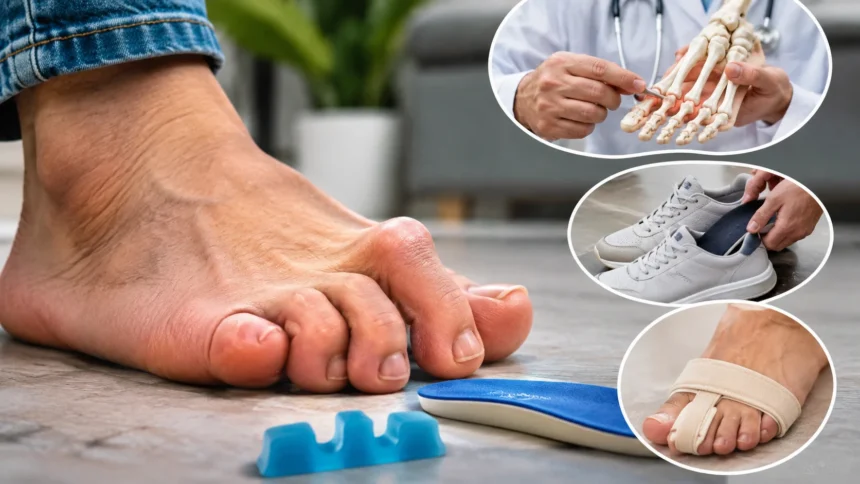
Hammer toes are a common foot condition that can affect how your toes look, move, and feel. They develop when one or more toes bend abnormally at the middle joint, creating a curled or hammer-like appearance. This change can make wearing shoes uncomfortable and may cause pain during walking. Although hammer toes often develop gradually, understanding the condition can help you recognize symptoms early.
So, what are hammer toes? Hammer toes are toe deformities in which the middle joint bends upward, causing the end of the toe to point downward. They most commonly affect the second, third, or fourth toes. Muscle imbalance, footwear pressure, foot structure, and certain medical conditions can contribute to their development.
The good news is that many people can manage early hammer toe symptoms with appropriate footwear, pressure relief, and professional guidance. More advanced cases may require additional treatment, especially when the toe becomes stiff or painful. This guide explains hammer toe causes, symptoms, treatment options, and practical ways to protect your foot health.
What Are Hammer Toes?
Hammer toes are foot deformities that develop when a toe bends abnormally at its middle joint. The affected toe may resemble a small hammer because its middle joint rises while the tip points downward. This condition usually affects the lesser toes rather than the big toe. It can involve one toe or several toes on the same foot.
A hammer toe develops when the muscles and tendons controlling toe movement become unbalanced. Over time, this imbalance may cause the toe to remain in a bent position. The condition can initially be flexible, meaning the toe can still be straightened gently. Without appropriate care, some hammer toes gradually become stiff or fixed.
Hammer toes are not always painful during their early stages. However, friction against shoes can cause redness, irritation, and thickened skin over the raised joint. As the deformity progresses, walking and wearing certain shoes may become uncomfortable. Early assessment can help identify suitable treatments before the condition becomes more difficult to manage.
What Causes Hammer Toes?
Hammer toes can develop when the muscles, tendons, and ligaments controlling toe movement no longer work in balance. This imbalance changes the position of the toe joints and may cause abnormal bending. Foot structure, injury, and certain medical conditions can contribute to these changes. In many cases, several factors are involved rather than one specific cause.
Footwear is another important factor in hammer toe development. Shoes with narrow toe boxes can crowd the toes and hold them in unnatural positions. High heels may increase pressure toward the front of the foot, making this crowding worse. Although footwear is not the only cause, poorly fitting shoes can contribute to discomfort and deformity.
Some people have inherited foot characteristics that increase their likelihood of developing hammer toes. Differences in toe length, arch structure, and joint alignment can influence how pressure spreads across the foot. Conditions affecting nerves or muscles may also increase the risk. Understanding these contributing factors helps healthcare professionals recommend appropriate treatment and prevention strategies.
Common Signs and Symptoms of Hammer Toes
The most recognizable symptom of a hammer toe is an abnormal bend in the middle joint. The affected toe may appear raised or curled even when the foot is resting. Some people notice the change before experiencing significant pain. Others develop discomfort when walking, standing for extended periods, or wearing enclosed shoes.
Pressure from footwear can cause corns or calluses to form over the bent joint or at the tip of the toe. These areas of thickened skin may become tender when repeatedly rubbed. Redness, swelling, and irritation can also develop around the affected joint. Symptoms often become more noticeable when shoes place additional pressure on the toe.
As the condition progresses, the toe may become increasingly difficult to straighten. Some people experience stiffness, reduced flexibility, or discomfort beneath the ball of the foot. However, toe pain can also result from other conditions, including arthritis or nerve problems. A medical examination can help confirm the cause of symptoms.
Different Types of Hammer Toes
Hammer toes are commonly classified according to their flexibility and severity. A flexible hammer toe can still be moved or gently straightened at the affected joint. This stage often responds better to conservative measures that reduce pressure and improve comfort. Early treatment may help manage symptoms before the joint becomes permanently stiff.
A semi-rigid hammer toe has reduced movement because the surrounding tissues have become tighter. The toe may resist straightening and remain bent during normal activities. Shoe adjustments and cushioning can still help reduce discomfort. However, these measures may not fully correct the position of the affected joint.
A rigid hammer toe remains fixed in a bent position and cannot be straightened easily. This may happen after long-standing changes in the joint and surrounding soft tissues. Rigid deformities can create persistent pressure points and make footwear selection challenging. In certain cases, surgery may be considered when conservative treatment fails to relieve significant symptoms.
Who Is Most Likely to Develop Hammer Toes?
Hammer toes can affect people of different ages, although they become more common with increasing age. Changes in joint flexibility, muscle balance, and foot structure may contribute over time. People who regularly wear restrictive footwear may also experience greater pressure on their toes. Individual risk depends on several factors rather than age alone.
People with certain medical conditions may have a higher risk of developing toe deformities. Arthritis can affect joint alignment, while neurological conditions may change muscle control and toe movement. Diabetes-related nerve damage can also contribute to foot problems. People with these conditions should pay close attention to changes in toe position or skin health.
Family history may influence the likelihood of developing hammer toes because some foot characteristics are inherited. Individuals with bunions or other structural foot changes may also experience altered pressure around their lesser toes. However, having these risk factors does not guarantee the condition will develop. Regular foot care and suitable footwear can help reduce avoidable irritation.
Hammer Toes vs. Claw Toes and Mallet Toes
Hammer toes, claw toes, and mallet toes are different conditions that cause abnormal toe bending. They may look similar, but the affected joints are not always the same. Recognizing these differences can help people understand their symptoms. A healthcare professional can identify the specific deformity through a physical examination.
A hammer toe primarily involves bending at the middle joint of a lesser toe. A mallet toe affects the joint closest to the tip, causing the end of the toe to bend downward. These conditions may develop from muscle imbalance or prolonged pressure. The exact appearance depends on which joints are involved.
Claw toes generally involve bending at both smaller toe joints while the joint where the toe meets the foot bends upward. This can create a more pronounced curled appearance. Claw toes may be associated with certain neurological conditions or structural changes. Treatment for each deformity depends on flexibility, symptoms, and underlying causes.
How Are Hammer Toes Diagnosed?
Hammer toes are usually diagnosed through a physical examination rather than complicated testing. A healthcare professional looks at the affected toe’s position, joint movement, and surrounding skin. They may ask when symptoms began and whether certain shoes or activities make discomfort worse. This information helps determine the severity and possible causes.
During the examination, the clinician may gently assess whether the bent toe can straighten. They may also look for corns, calluses, swelling, and other foot deformities. Walking patterns and footwear may be reviewed when relevant. These observations help identify pressure points and determine whether conservative treatment is appropriate.
X-rays are sometimes recommended when the deformity is severe, painful, or being considered for surgery. Imaging can show joint alignment and identify certain bone or arthritis-related changes. Additional tests may be needed if nerve or muscle problems are suspected. An accurate diagnosis allows treatment to address the specific condition rather than symptoms alone.
How to Treat Hammer Toes Without Surgery
Non-surgical treatment often focuses on reducing pain, improving footwear comfort, and limiting pressure on the affected toes. Wearing shoes with a wide, deep toe box is one of the most useful adjustments. This provides additional room for the bent joint and helps reduce rubbing. Shoes should also offer appropriate support without squeezing the forefoot.
Protective toe pads or cushions may help reduce friction over painful areas. Some people benefit from inserts that redistribute pressure across the foot. These products should fit comfortably and should not force the toe into a painful position. A podiatrist can recommend suitable options based on the deformity and overall foot health.
Non-surgical care may also involve managing corns, adjusting activities, and treating underlying medical conditions. These measures can improve comfort, particularly when the hammer toe remains flexible. However, they generally do not permanently straighten a rigid deformity. Persistent pain or worsening stiffness may require further assessment and additional treatment options.
Best Shoes for Hammer Toes
Choosing suitable footwear is one of the most practical ways to manage hammer toe discomfort. Shoes should have a spacious toe box that allows the toes to rest without being compressed. A deeper front section can reduce pressure against the raised middle joint. Properly fitted shoes may make walking more comfortable throughout the day.
Low-heeled shoes are generally preferable to high heels because they reduce forward pressure on the toes. Flexible or appropriately cushioned soles may also improve comfort depending on individual foot needs. However, extremely loose shoes can cause slipping and additional friction. The goal is to find footwear that provides both sufficient room and stable support.
When trying on shoes, check the fit while standing because the foot may spread under body weight. Make sure the longest toe has adequate space and the upper material does not press against sensitive joints. Removable insoles can sometimes accommodate additional support. People with persistent footwear problems may benefit from professional fitting advice.
Hammer Toe Exercises and Gentle Stretches
Gentle toe exercises may help maintain mobility and muscle function, especially when hammer toes remain flexible. Simple movements such as spreading the toes or carefully bending and straightening them may be useful. Exercises should remain comfortable and should not force stiff joints. They are supportive measures rather than guaranteed ways to correct a deformity.
Toe mobility activities can be performed slowly while seated in a comfortable position. For example, gently moving the toes through their available range may help maintain flexibility. Some people also practice picking up lightweight objects with their toes. However, exercises that increase cramping, pain, or abnormal toe bending should be stopped.
A physical therapist or podiatrist can recommend exercises based on the specific foot condition. Stretching may be useful when certain muscles or tendons are tight, but individual needs vary. People with rigid deformities should not attempt forceful straightening. Professional guidance is especially important when arthritis, diabetes, or reduced sensation affects the feet.
Home Remedies for Hammer Toe Pain Relief
Home care can help relieve mild hammer toe discomfort by reducing friction and pressure. Wearing comfortable shoes and avoiding footwear that squeezes the toes are useful starting points. Resting after activities that aggravate symptoms may also provide relief. These measures can improve daily comfort without placing unnecessary stress on the affected joint.
If the toe becomes sore after prolonged walking, a wrapped cold pack may offer temporary relief. Apply it briefly and avoid direct contact between ice and skin. Cold therapy should be avoided or discussed with a clinician when circulation or sensation is impaired. Temporary pain relief does not correct the underlying joint deformity.
Corns and calluses should be managed carefully rather than cut away at home. Over-the-counter cushioning may help, but products that contain strong acids can damage vulnerable skin. People with diabetes, poor circulation, or reduced sensation should seek professional foot care before using corn treatments. Safe skin care helps prevent avoidable injuries and infections.
When Is Hammer Toe Surgery Necessary?
Hammer toe surgery may be considered when pain persists despite appropriate non-surgical treatment. It may also be an option when a rigid deformity causes significant pressure, skin problems, or difficulty wearing shoes. Surgery is generally not necessary for every hammer toe. The decision depends on symptoms, joint flexibility, overall health, and individual goals.
Different surgical procedures address different aspects of the deformity. Depending on the condition, a surgeon may adjust tendons, remove a small portion of bone, or straighten and fuse a joint. Some procedures use temporary or permanent fixation to maintain alignment. The recommended approach depends on the affected joints and surrounding structures.
Every surgical procedure carries potential risks, including infection, stiffness, swelling, recurrence, or changes in toe function. Recovery requirements also vary according to the operation and the patient’s health. A foot and ankle specialist can explain expected benefits and possible complications. Surgery should follow an informed discussion of treatment alternatives and realistic outcomes.
Recovery After Hammer Toe Surgery
Recovery after hammer toe surgery depends on the procedure performed and the severity of the deformity. Some patients can walk with a protective surgical shoe relatively soon after treatment. However, normal footwear and higher-impact activities may need to be delayed. The surgeon provides instructions based on healing progress and the specific operation.
Swelling and tenderness can continue for several weeks, and some swelling may last for months. Elevating the foot and following wound-care instructions can help support recovery. Patients may need follow-up appointments to monitor healing or remove temporary fixation. Returning to usual activities too quickly may interfere with recovery.
Physical activity is usually increased gradually according to medical guidance. Patients should follow recommendations about footwear, wound protection, and weight-bearing restrictions. Increasing redness, fever, wound drainage, or severe worsening pain requires prompt medical attention. Following the recovery plan helps reduce complications and supports the best possible surgical outcome.
Can Hammer Toes Be Reversed Naturally?
Whether a hammer toe can improve without surgery depends largely on its flexibility. Early flexible deformities may respond to footwear changes, pressure relief, and exercises that maintain joint movement. Symptoms can improve even when the toe’s appearance does not fully return to normal. Conservative treatment aims to preserve comfort and function.
A rigid hammer toe is less likely to straighten through exercises or home remedies. Once the joint and surrounding tissues develop fixed changes, simple stretching cannot reliably reverse the deformity. Cushions and supportive footwear may still reduce discomfort. However, structural correction may require a surgical procedure in selected cases.
Claims that home remedies can permanently cure every hammer toe should be viewed cautiously. The condition develops through mechanical and sometimes medical factors that vary between individuals. Early professional evaluation provides a better understanding of realistic treatment goals. Managing symptoms promptly can help maintain mobility and reduce unnecessary pressure on the affected toes.
How to Prevent Hammer Toes
Although not every hammer toe can be prevented, appropriate footwear may reduce avoidable pressure on the toes. Choose shoes with enough space for natural toe positioning and avoid styles that repeatedly compress the forefoot. Proper shoe length and width are both important. Comfortable footwear is particularly useful for people with existing foot deformities.
Maintaining general foot strength and mobility may also support normal movement. Gentle exercises and regular physical activity can contribute to overall foot function when performed comfortably. People with structural foot problems may need individualized advice about supportive footwear or inserts. Preventive strategies should reflect the person’s health, activity level, and foot shape.
Regularly checking the feet can help identify early changes before they become more troublesome. Look for unusual toe bending, redness, calluses, or persistent discomfort around joints. People with diabetes or reduced sensation should follow recommended foot examination schedules. Seeking professional advice when changes first appear may help prevent unnecessary complications.
Complications of Untreated Hammer Toes
Untreated hammer toes may become increasingly stiff and uncomfortable over time. As the joint remains bent, pressure from shoes can cause repeated irritation. Corns and calluses may develop where skin rubs against footwear or the ground. These problems can make walking uncomfortable and limit the choice of suitable shoes.
Severe deformities may also affect the way pressure is distributed across the foot. Some people develop pain beneath the ball of the foot or around neighboring toes. Restricted toe movement can make certain activities more difficult. However, progression varies, and not every hammer toe becomes severely painful or requires surgery.
Skin complications deserve particular attention in people with diabetes, poor circulation, or peripheral neuropathy. Repeated pressure may contribute to skin breakdown and ulcers, sometimes without significant pain when sensation is reduced. Open wounds or signs of infection require prompt medical assessment. Early treatment can help protect foot health and reduce the risk of serious complications.
When to See a Doctor for Hammer Toes
Medical evaluation is recommended when hammer toes cause persistent pain, stiffness, or difficulty walking. A clinician can determine whether the deformity is flexible or rigid and identify related foot problems. Assessment is also useful when footwear changes fail to provide relief. Early guidance may help prevent repeated irritation and worsening discomfort.
Seek prompt medical attention if the affected toe develops an open wound, spreading redness, unusual warmth, or drainage. These signs may indicate skin injury or infection. Sudden severe pain, significant swelling, or changes in toe color also require timely assessment. People with diabetes or circulation problems should be especially cautious about new foot symptoms.
A podiatrist or foot and ankle specialist can explain suitable treatment options and help establish realistic expectations. Not every hammer toe requires medical procedures, particularly when symptoms are mild. However, regular monitoring is valuable when the deformity changes or daily activities become uncomfortable. Appropriate care focuses on maintaining comfort, mobility, and healthy skin.
Conclusion
Understanding what are hammer toes can help you recognize changes in toe alignment and address discomfort before it becomes more troublesome. This condition develops when the middle joint of a lesser toe bends abnormally. Muscle imbalance, foot structure, restrictive footwear, and certain medical conditions can contribute to its development.
Many people manage hammer toe symptoms successfully through wider shoes, protective cushioning, activity adjustments, and appropriate foot care. Gentle exercises may help maintain flexibility when the deformity remains movable. However, rigid hammer toes usually do not straighten naturally, and surgery may be considered when significant symptoms continue despite conservative treatment.
The best approach depends on the severity of the deformity and how it affects everyday activities. Pay attention to persistent pain, skin irritation, and changes in toe movement. Seeking professional advice when necessary can help protect your feet, improve comfort, and maintain healthy mobility over time.
Frequently Asked Questions
What is the main cause of hammer toes?
Hammer toes develop when the muscles and tendons controlling toe movement become imbalanced. Foot structure, restrictive footwear, injuries, arthritis, and certain neurological conditions may contribute to the abnormal bending of the toe joint.
Can hammer toes go away without surgery?
Flexible hammer toes may become more comfortable with proper footwear, cushioning, and suitable exercises. However, fixed deformities generally cannot be permanently straightened through home treatment alone, and some cases require surgical correction.
Are hammer toes painful?
Hammer toes are not always painful, especially during early stages. However, rubbing against shoes, joint stiffness, corns, and pressure beneath the foot can cause discomfort during walking or prolonged standing.
What shoes should I avoid with hammer toes?
Avoid shoes with narrow toe boxes, excessive toe pressure, or high heels that push the foot forward. Choose comfortable footwear with enough room for the affected toes and suitable support.
When should I see a doctor for hammer toes?
See a healthcare professional if you experience persistent pain, increasing stiffness, difficulty walking, or recurring skin irritation. Open wounds, signs of infection, or new foot problems associated with diabetes require prompt assessment.