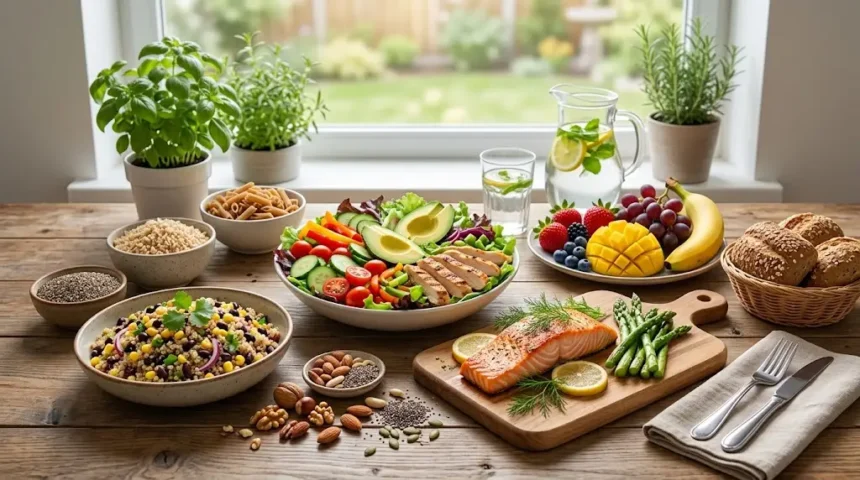
A healthy breakfast can be an easy way to begin your day with useful nutrients, steady energy, and a meal that helps you feel satisfied through the morning. You do not need elaborate recipes or expensive ingredients to eat well after waking. Simple combinations of protein, fiber-rich carbohydrates, fruit, vegetables, and healthy fats can create balanced and enjoyable breakfasts.
The best breakfast depends on your appetite, schedule, culture, activity level, and personal preferences. Some people enjoy a full meal shortly after waking, while others prefer something lighter or eat later in the morning. What matters most is choosing foods that provide enough nourishment without turning breakfast into another complicated nutrition project.
These healthy breakfast ideas to start your day right focus on practical meals you can prepare at home, take to work, or make ahead for busy mornings. From oatmeal and eggs to yogurt bowls, smoothies, whole-grain toast, and savory options, there are plenty of ways to build a nutritious breakfast that fits naturally into everyday life.
Why a Healthy Breakfast Can Be a Good Start
Breakfast can provide an opportunity to include protein, fiber, fruit, whole grains, and other nutrients early in the day. A balanced morning meal may help you feel satisfied and make it easier to avoid becoming extremely hungry before lunch. It can also provide useful energy for work, study, exercise, or other morning responsibilities.
However, breakfast is not automatically healthy simply because it is the first meal of the day. A meal built mostly around sugary drinks or highly refined pastries may provide energy without much protein or fiber. Adding nutrient-dense ingredients can make breakfast more balanced while still allowing you to enjoy foods you genuinely like.
Not everyone needs to eat immediately after waking. If you naturally prefer eating later, you can still build a nutritious first meal when hunger develops. Healthy eating is more sustainable when breakfast timing matches your appetite and routine rather than following a rigid rule about exactly when everyone should eat.
What Makes a Breakfast Balanced?
A balanced breakfast usually contains a source of protein, a fiber-rich carbohydrate, and fruit or vegetables, with some healthy fat when appropriate. This combination can provide energy while making the meal more satisfying. Examples include oats with yogurt and fruit, eggs with whole-grain toast, or beans with vegetables and bread.
Protein foods such as eggs, yogurt, milk, tofu, beans, cottage cheese, nuts, and seeds can strengthen a breakfast nutritionally. Whole grains and fruit provide carbohydrates and fiber, while nuts, seeds, or avocado can add healthy fats. You do not need every food group at every breakfast, but combining several creates useful nutritional variety.
Portions should reflect your hunger and daily needs rather than someone else’s meal plan. A highly active person may want a larger breakfast than someone with a quieter morning. Using balance as a flexible framework makes it easier to build nourishing meals without counting every calorie or measuring each ingredient.
Oatmeal With Fruit and Nuts
Oatmeal is one of the easiest healthy breakfast ideas because oats are affordable, versatile, and naturally rich in fiber. You can prepare them with milk, fortified plant milk, or water depending on your preferences. Adding fruit and nuts creates additional flavor while providing vitamins, healthy fats, and a more satisfying texture.
Bananas, berries, apples, peaches, raisins, and pears can all work well in oatmeal. Nuts such as almonds, walnuts, or peanuts provide crunch, while chia or flaxseeds can add additional fiber. Cinnamon, vanilla, cocoa, or a small amount of honey can also make the meal more enjoyable without requiring complicated preparation.
Overnight oats are useful when mornings are rushed. Combine oats with yogurt or milk the night before and refrigerate them until morning, then add fruit or nuts before eating. Preparing breakfast ahead removes one morning decision and can make nutritious eating easier when work, commuting, or family responsibilities begin early.
Eggs With Whole-Grain Toast
Eggs provide protein along with nutrients such as choline, vitamin B12, and selenium, making them a convenient breakfast choice. They can be scrambled, boiled, poached, or cooked into an omelet depending on how much time you have. Pairing eggs with whole-grain toast adds carbohydrates and fiber to create a more complete meal.
Vegetables can easily be added to an egg breakfast. Spinach, tomatoes, mushrooms, onions, peppers, and leftover roasted vegetables all work well in omelets or scrambled eggs. Adding vegetables increases variety and allows breakfast to contribute to your daily produce intake without requiring a separate salad.
Whole-grain toast can also be topped with avocado, hummus, or a small amount of cheese alongside the eggs. The meal can be adjusted according to hunger and preferences. A simple combination like eggs, toast, and fruit is often more practical than trying to prepare an elaborate breakfast every morning.
Greek Yogurt With Berries and Seeds
Greek yogurt is a convenient protein-rich option that requires almost no cooking. Pairing it with berries, seeds, oats, or nuts can create a balanced breakfast within a few minutes. Plain yogurt allows you to control sweetness, but flavored varieties can also fit if you enjoy them and they work within your overall eating pattern.
Berries provide fiber, vitamin C, and natural sweetness, while chia, flax, pumpkin, or sunflower seeds add texture and nutrients. You can also use bananas, mangoes, apples, or whatever fruit is affordable and available. The goal is variety rather than insisting that one particular fruit must appear in every healthy breakfast.
If you avoid dairy, fortified plant-based yogurt can be an alternative. Check the nutrition label because protein and calcium content can vary considerably between products. Soy-based options often provide more protein than some coconut or starch-based varieties, making them easier to incorporate into a protein-balanced morning meal.
Whole-Grain Toast With Nut Butter and Banana
Whole-grain toast topped with peanut, almond, or another nut butter can be an easy breakfast when you need something fast. The bread provides carbohydrates and fiber, while nut butter contributes healthy fats and some protein. Adding banana slices gives natural sweetness and makes the meal more substantial without increasing preparation time significantly.
You can vary this breakfast with apples, berries, pears, or a sprinkle of cinnamon. Seeds such as chia or hemp can also be added if you enjoy them. Small changes allow you to keep the same basic breakfast framework while preventing it from feeling repetitive throughout the week.
Nut butter portions do not need to be large because these foods are naturally energy-dense. A modest amount can provide plenty of flavor and satisfaction. Anyone with nut allergies can consider appropriate seed-based spreads or choose a completely different protein source rather than forcing this breakfast idea to fit.
Colorful Fruit Bowls With Protein
Fruit bowls can create a refreshing breakfast, particularly during warm weather or mornings when heavier meals feel unappealing. Combining several fruits provides different flavors, textures, vitamins, and plant compounds. Bananas, berries, oranges, mangoes, apples, melon, kiwi, pears, and other seasonal options can all work well.
For more variety, you can occasionally include dragon fruit alongside berries, banana, or citrus. Its mild flavor and colorful appearance can make fruit bowls more interesting, especially when you enjoy experimenting with different produce. Choosing seasonal or locally affordable fruits is equally nutritious and often more budget-friendly.
Fruit alone may not keep everyone satisfied for long, so consider pairing it with protein or healthy fats. Greek yogurt, cottage cheese, nuts, seeds, eggs, or whole-grain toast can complement the fruit. This creates a more substantial breakfast while keeping the freshness and convenience that make fruit bowls appealing.
Smoothies With Protein and Fiber
Smoothies can be useful when you prefer drinking breakfast or need something portable. A balanced smoothie can include fruit, vegetables, milk or a fortified alternative, and a protein source such as yogurt or soy milk. Oats, chia seeds, flaxseeds, or nut butter can add fiber and make the drink more satisfying.
It is easy for smoothies to become mostly fruit juice and sweetened ingredients, so balance matters. Using whole fruit instead of large quantities of juice provides more fiber, while adding protein can make the smoothie function more like a complete meal. Spinach or other mild vegetables can also increase nutritional variety without overpowering the flavor.
You do not need protein powder for every smoothie. Yogurt, milk, soy milk, nut butter, or other foods can provide useful protein depending on the recipe. Supplements can be convenient in some situations, but whole-food ingredients are perfectly capable of building a nutritious breakfast for many people.
Chia Pudding for a Make-Ahead Breakfast
Chia pudding is a convenient make-ahead breakfast that develops a thick texture when chia seeds absorb liquid. Mix the seeds with milk or a fortified plant beverage and refrigerate the mixture overnight. By morning, you have a ready-to-eat base that can be topped with fruit, nuts, or other ingredients.
Chia seeds provide fiber and healthy fats, but the meal may need additional protein depending on what you mix with them. Using dairy milk, soy milk, or yogurt can increase protein content. Adding oats or fruit can provide carbohydrates and make the breakfast more substantial for mornings that require greater energy.
The texture of chia pudding is not for everyone, and there is no reason to force yourself to eat it because it is popular. Healthy breakfasts should include foods you genuinely enjoy. If chia pudding feels unpleasant, oatmeal, yogurt, eggs, toast, or another balanced option can provide an equally practical alternative.
Cottage Cheese With Fruit and Whole Grains
Cottage cheese is a protein-rich food that can work well in both sweet and savory breakfasts. Pair it with berries, peaches, pineapple, apples, or another fruit for a simple meal. Whole-grain toast, oats, or crackers can add carbohydrates and fiber, creating a more balanced combination for morning energy.
Savory versions can include tomatoes, cucumber, herbs, black pepper, or avocado. This makes cottage cheese useful for people who do not enjoy sweet breakfasts. Changing toppings allows one basic ingredient to fit different moods without requiring entirely different groceries or lengthy preparation.
Some cottage cheese products can be relatively high in sodium, so people monitoring sodium intake may want to compare labels. Others may prefer yogurt or another protein source because of texture. Nutritious eating is flexible, and there is no need to rely on one breakfast food if another option fits your needs better.
Breakfast Bowls With Whole Grains and Protein
Breakfast bowls can combine several nutritious ingredients in one meal without requiring a complicated recipe. Start with oats, quinoa, brown rice, or another whole grain, then add eggs, yogurt, tofu, beans, fruit, vegetables, or nuts. This format works for both sweet and savory breakfasts and makes leftovers surprisingly useful.
A savory bowl might include brown rice, scrambled eggs, spinach, tomatoes, and avocado. A sweeter version could combine quinoa with yogurt, berries, cinnamon, and nuts. These meals demonstrate that breakfast does not have to revolve around traditional cereal or toast when other foods are more appealing.
Breakfast bowls are especially convenient when you already have cooked grains in the refrigerator. Using leftovers reduces preparation time and food waste. Preparing a batch of grains during the week gives you a flexible base for breakfast, lunch, or dinner without requiring separate cooking sessions for every meal.
Try Savory Breakfast Ideas
Not everyone wants sweet food in the morning, and savory breakfasts can be equally nutritious. Eggs with vegetables, beans on whole-grain toast, tofu scramble, leftover grain bowls, or vegetable-filled wraps can all provide protein and fiber. Many cultures naturally include savory foods at breakfast, showing that there is no universal morning menu.
Leftovers can also become excellent breakfasts. Rice with vegetables and eggs, soup with whole-grain bread, or beans with avocado may provide more balanced nutrition than many heavily sweetened breakfast products. Breakfast food does not need to be limited by marketing categories when your body simply needs nourishment.
Savory meals can also make it easier to include vegetables earlier in the day. Adding spinach, tomatoes, mushrooms, peppers, onions, or leftover roasted vegetables to breakfast increases produce intake without requiring extra meals. This can be useful for people who find it difficult to eat enough vegetables later.
Choose High-Protein Breakfasts When Needed
A higher-protein breakfast may be useful for people who want greater satiety or need additional protein because of exercise, age, or overall dietary needs. Eggs, Greek yogurt, cottage cheese, tofu, beans, milk, and soy products can all contribute. Combining several sources can increase protein without making the meal excessively large.
For example, eggs with whole-grain toast and yogurt provide protein from multiple foods, while a tofu scramble with beans creates a plant-based alternative. You do not need to consume an enormous amount at breakfast. The goal is simply to include enough protein to complement your carbohydrates, fats, and produce.
Protein powders can be convenient for certain athletes or busy individuals, but they are not a requirement for healthy eating. Many breakfasts can provide substantial protein from ordinary foods. Supplements should be viewed as optional tools rather than mandatory products for anyone trying to eat a healthier morning meal.
Focus on High-Fiber Breakfast Foods
Fiber supports digestion, bowel regularity, and fullness, making it a useful component of breakfast. Oats, whole-grain bread, berries, apples, pears, beans, chia seeds, flaxseeds, and nuts can all contribute. Combining several fiber-rich foods can help increase daily intake without needing a separate supplement.
If you currently eat very little fiber, introduce higher-fiber breakfasts gradually. Suddenly adding large amounts of bran, seeds, and legumes may cause temporary bloating or gas. Drinking enough water and increasing fiber over time can help your digestive system adjust more comfortably while allowing you to identify which foods you tolerate well.
A high-fiber breakfast does not need to look unusual. Oatmeal with fruit, whole-grain toast with avocado, or beans with vegetables are familiar examples. Consistently choosing these meals can make fiber intake easier because you are spreading it across the day instead of trying to consume most of it at dinner.
Quick Healthy Breakfasts for Busy Mornings
Busy mornings often make convenience more important than creativity. Yogurt with fruit, whole-grain toast with nut butter, boiled eggs, overnight oats, or a simple smoothie can all be prepared quickly. Keeping several reliable breakfast ingredients available can reduce the temptation to skip eating or rely entirely on less satisfying convenience foods.
Preparation the night before can save even more time. Put oats in the refrigerator, wash fruit, boil eggs, or portion yogurt and nuts in advance. These small steps reduce morning decisions and allow you to assemble breakfast while getting ready for work, school, commuting, or family responsibilities.
You also do not need a completely different breakfast every day. Repeating two or three nutritious meals is perfectly acceptable when the rest of your diet provides variety. Familiar breakfasts can actually make healthy eating easier because shopping, preparation, and portion decisions become more automatic over time.
Prepare Breakfast Ahead for the Week
Meal preparation can make healthy breakfasts easier, especially when mornings are consistently rushed. You might prepare baked oatmeal, overnight oats, boiled eggs, chia pudding, chopped fruit, or breakfast wraps ahead of time. Having food ready removes one decision from your morning and reduces dependence on whatever is easiest to grab.
Preparation does not need to mean making seven identical containers on Sunday. You can simply prepare ingredients that work across several breakfasts. Cooked oats, fruit, boiled eggs, yogurt, nuts, and whole-grain bread provide multiple combinations without forcing you to eat exactly the same thing every morning.
Food safety should remain part of meal preparation. Refrigerate perishable foods promptly, store them appropriately, and use them within sensible timeframes. If something smells or looks unusual, avoid eating it simply because it was part of your meal plan, since convenience should never come before safe food handling.
Healthy Breakfasts on a Budget
Nutritious breakfasts can be affordable when you build them around basic staples. Oats, eggs, bananas, seasonal fruit, whole-grain bread, peanut butter, beans, yogurt, and frozen fruit can provide excellent nutrition without premium prices. You do not need expensive protein bars, specialty powders, or imported superfoods to start the day well.
Buying larger containers of oats or yogurt can sometimes cost less per serving than individual packages. Frozen fruit can also reduce waste because it keeps much longer than fresh produce. Comparing prices and choosing seasonal ingredients can make balanced breakfasts more affordable without sacrificing variety or nutritional quality.
Planning several breakfasts around the same ingredients can stretch your budget further. Bananas might be used in oatmeal, smoothies, and toast, while eggs can appear in omelets or breakfast bowls. Flexible ingredients reduce food waste and allow you to create different meals without buying an entirely new grocery list every day.
Limit Highly Sugary Breakfast Choices
Many breakfast cereals, pastries, sweetened coffees, flavored yogurts, and breakfast bars can contain significant amounts of added sugar. These foods can still be enjoyed, but relying on them every morning may leave less room for protein, fiber, and nutrient-rich ingredients. Adding more balanced choices can improve the overall quality of your breakfast.
You do not need to completely eliminate sweet breakfasts. Oatmeal with fruit, yogurt with berries, or whole-grain toast with nut butter can still taste sweet while providing more fiber and protein. Even a pastry can fit occasionally when it is simply treated as one enjoyable food rather than the foundation of every morning meal.
Reading labels can help when comparing cereals, yogurts, and packaged breakfast products, but you do not need to obsess over every gram. Look at the overall meal instead. Pairing a sweeter food with protein, fruit, or another nutritious ingredient can create more balance without turning breakfast into a strict dietary calculation.
Make Coffee and Morning Drinks Work With Breakfast
Coffee and tea can fit comfortably into a healthy breakfast routine for many adults. These drinks may improve alertness, and there is no universal requirement to avoid them in the morning. What matters more is whether caffeine affects your sleep, anxiety, digestion, or overall intake later in the day.
Sweetened coffee drinks can sometimes contain considerable sugar and energy, particularly when large amounts of syrup, cream, or toppings are added. You do not need to drink coffee black to be healthy, but being aware of what is added can help you make choices that fit your preferences and nutrition goals.
Water remains useful in the morning as well, particularly after several hours without drinking overnight. You can enjoy water alongside coffee, tea, or breakfast rather than relying entirely on caffeinated drinks. Hydration habits are most effective when they continue throughout the day instead of being concentrated only in the morning.
Build a Breakfast Routine You Can Maintain
The best breakfast is not the one that looks most impressive online. It is the one you can prepare, afford, enjoy, and repeat without creating unnecessary stress. A bowl of oats or eggs with toast can be just as useful as an elaborate smoothie bowl containing a dozen ingredients.
Pay attention to how different breakfasts make you feel. If a meal leaves you hungry within an hour, consider adding protein, fiber, or a larger portion. If breakfast feels too heavy, choose something lighter or adjust the timing so that you are eating when you naturally feel ready.
Your breakfast routine can also change across different stages of life. Work schedules, exercise routines, family responsibilities, appetite, and health needs all evolve. Keeping a few basic principles while changing the specific foods allows healthy breakfast habits to remain practical rather than becoming a rigid routine.
Conclusion
The best healthy breakfast ideas to start your day right combine nutritious ingredients with enough convenience to fit your real schedule. Oats, eggs, yogurt, fruit, whole grains, beans, nuts, seeds, vegetables, and healthy fats can all contribute to satisfying morning meals. Variety matters more than trying to identify one perfect breakfast.
Start with a few easy meals you already enjoy and gradually improve their balance. Add fruit to oatmeal, vegetables to eggs, protein to smoothies, or whole-grain toast alongside your usual breakfast. Small adjustments are often more sustainable than completely replacing your morning routine with foods that feel unfamiliar or difficult to prepare.
Most importantly, make breakfast work for your lifestyle. You do not need to eat at an exact time or follow the same menu every day to be healthy. A flexible routine that provides nourishment, fits your budget, and tastes enjoyable is far more valuable than an idealized breakfast plan you cannot maintain.
FAQs
What is the healthiest breakfast to eat every day?
There is no single healthiest breakfast. A balanced meal containing protein, fiber-rich carbohydrates, fruit or vegetables, and some healthy fat can provide a useful nutritional foundation for many people.
Is oatmeal a healthy breakfast?
Yes. Oats provide carbohydrates and fiber and can become even more balanced when combined with yogurt, milk, fruit, nuts, or seeds. Choose toppings based on your appetite and nutritional needs.
Are eggs good for breakfast every day?
Eggs can fit into a balanced diet and provide protein and useful nutrients. Pairing them with vegetables, whole grains, fruit, or other foods can create a more nutritionally varied breakfast.
What can I eat for breakfast when I am busy?
Quick options include overnight oats, yogurt with fruit, boiled eggs, whole-grain toast with nut butter, or a balanced smoothie. Preparing ingredients the night before can make busy mornings much easier.
Do I have to eat breakfast to be healthy?
No. Not everyone feels hungry early in the morning, and breakfast timing can vary. What matters more is maintaining an overall balanced eating pattern that provides enough nutrients and energy throughout the day.