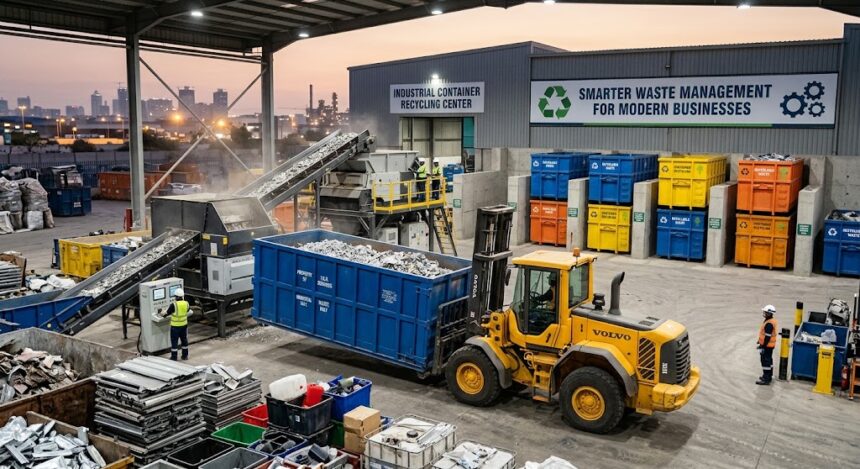
Industrial facilities generate large amounts of packaging waste, including chemical containers, storage drums, intermediate bulk containers, and bulk shipping boxes. Managing these materials responsibly is essential for workplace safety, environmental protection, and regulatory compliance. Companies such as Kelly Drums help industrial businesses across the Mid-Atlantic region by providing professional pickup, recycling, reconditioning, and destruction services for steel drums, poly drums, IBC totes, and Gaylord boxes. Through specialized container management solutions, businesses can handle industrial waste more efficiently while supporting environmentally responsible disposal practices.
Why Industrial Container Recycling Matters
Manufacturing plants, chemical processors, warehouses, and distribution centers depend on industrial containers to store, transport, and handle materials. Once these containers are emptied, businesses must determine whether they can be reused, recycled, or require specialized disposal.
Simply discarding used containers can increase waste disposal costs and place unnecessary pressure on landfills. Containers that previously held hazardous substances may also present environmental and safety risks if handled incorrectly.
A structured recycling program helps companies identify suitable recovery options, reduce unnecessary waste, and manage containers according to their condition and previous contents. By working with experienced recycling providers, industrial facilities can establish consistent procedures for collecting and processing used packaging materials.
Understanding Different Types of Industrial Containers
Industrial waste management requires different approaches depending on the materials used to manufacture containers and the substances they previously held.
Steel Drums
Steel drums are widely used in manufacturing, chemical processing, petroleum handling, and other industrial applications. Their durability makes them suitable for transporting and storing numerous products, but they require appropriate handling after use.
Depending on their condition and previous contents, steel drums may be suitable for reconditioning, material recycling, or controlled destruction. Reconditioning can extend the useful life of eligible containers, while recycling allows their metal components to be recovered for future manufacturing.
Before processing, containers should be evaluated for contamination, structural damage, and any special handling requirements.
Poly Drums
poly drums, commonly manufactured from high-density polyethylene, are valued for their resistance to corrosion and compatibility with many industrial liquids and materials.
However, not every used poly drum can be returned to service. Containers may require inspection, appropriate cleaning, recycling, or specialized disposal based on their previous contents and physical condition.
Responsible management helps businesses recover reusable materials where practical while preventing unsuitable containers from entering ordinary waste streams.
Intermediate Bulk Containers (IBCs)
Intermediate bulk containers, or IBC totes, are frequently used to transport and store liquids, chemicals, and bulk industrial products. Their substantial capacity makes them useful in operations that handle large volumes of materials.
After use, an IBC tote may be inspected for damage, cleaned when appropriate, reconditioned, recycled, or managed through another approved disposal method. The correct option depends on the container’s construction, contamination history, and intended future use.
Gaylord Boxes
Gaylord boxes are large bulk containers commonly used for storing and transporting materials such as plastic components, recyclable goods, and manufacturing supplies.
Because these boxes can accumulate quickly in warehouses and production facilities, an organized collection and recycling program can help reduce clutter and improve material recovery. Clean cardboard components may be recyclable through suitable programs, depending on their condition and any contamination.
The Role of Professional Container Recycling Services
Managing industrial containers internally can require considerable time, labor, storage space, and specialized knowledge. Professional recycling providers offer an alternative by helping businesses coordinate collection, evaluate recovery options, and arrange appropriate processing.
Kelly Drums provides services involving the pickup, recycling, reconditioning, and destruction of industrial containers, including steel and poly drums, IBC totes, and Gaylord boxes. For businesses across the Mid-Atlantic region, this type of service can simplify container management and support more consistent waste-handling procedures.
A professional service provider can also help businesses identify practical options for different container types rather than treating every used container as disposable waste.
Scheduled Pickup and Collection
Regular container collection helps prevent empty packaging from accumulating around loading docks, warehouses, and production areas. A planned pickup schedule can also make waste management more predictable by helping facilities coordinate storage space, labor, and transportation.
Businesses with fluctuating production volumes may benefit from reviewing collection frequency as their container usage changes.
Reconditioning and Reuse
Reconditioning provides an opportunity to extend the service life of suitable containers. Depending on the container type and applicable requirements, the process may involve inspection, cleaning, repair, and testing.
Reuse can reduce demand for new packaging and limit the amount of material entering the waste stream. However, containers previously used for hazardous materials must be evaluated carefully, and reconditioning must follow applicable safety and regulatory requirements.
Recycling and Material Recovery
When a container cannot be safely reused, recycling may provide another way to recover valuable materials. Steel can be processed for metal recovery, while certain plastics and cardboard materials may enter appropriate recycling streams.
Successful recycling depends on material quality, contamination levels, available processing facilities, and local requirements. Separating different container types and keeping recyclable materials appropriately managed can improve the effectiveness of a facility’s waste management program.
Container Destruction
Some containers should not be returned to circulation, particularly when their condition, contamination history, or previous use makes reuse unsuitable. Controlled destruction can help prevent unauthorized reuse and allow eligible materials to be recovered through appropriate downstream processes.
Businesses should confirm that destruction methods are suitable for the container and its contents, especially when hazardous substances or regulated materials are involved.
Managing Hazardous Materials Responsibly
Industrial containers may retain chemical residues even after their contents have been removed. These residues can create risks for employees, transport personnel, recycling facilities, and the surrounding environment.
Businesses should establish clear procedures for identifying container contents, maintaining appropriate labels, segregating incompatible materials, and determining whether containers are regulated as hazardous waste.
Important practices include:
- Identify previous contents: Maintain accurate records of the substances stored or transported in each container.
- Prevent unsafe mixing: Separate containers when their residues could react or create additional hazards.
- Follow handling requirements: Use suitable procedures and equipment for inspection, storage, and movement.
- Use qualified service providers: Select recycling and disposal partners equipped to handle the relevant container types and contamination risks.
- Maintain documentation: Keep applicable shipping records, waste manifests, inspection records, and recycling documentation.
- Verify regulatory obligations: Confirm applicable federal, state, and local requirements before arranging transport, reuse, or disposal.
In the United States, hazardous waste requirements may depend on the waste’s characteristics, its source, and the circumstances under which it is managed. Environmental regulations can also distinguish between an empty container, a container with hazardous residues, and a container that still contains regulated waste. Businesses should consult applicable regulations and qualified environmental professionals when classification is uncertain.
How Recycling Supports Environmental Sustainability
Industrial container recycling can contribute to sustainability goals by reducing waste and preserving useful materials. Rather than sending every discarded container to a landfill, businesses can evaluate whether materials can be reused, reconditioned, or recovered.
Several environmental benefits may result from a well-managed program.
Reduced landfill waste: Recycling eligible containers keeps recoverable materials in productive use and reduces the volume of waste requiring disposal.
Conservation of resources: Recovering steel, suitable plastics, and cardboard can reduce demand for virgin raw materials.
Improved resource efficiency: Reconditioning serviceable containers may extend their useful life and reduce the need for replacement packaging.
More organized industrial operations: Defined collection and sorting procedures help facilities manage waste streams more efficiently.
Support for sustainability reporting: Documented recycling activities can help businesses measure material recovery and evaluate progress toward internal environmental targets.
These benefits depend on the actual recycling processes used, transportation requirements, contamination levels, and the final destination of recovered materials. Businesses should prioritize verified recovery outcomes rather than assuming every collected container will be recycled.
Reducing Costs Through Better Waste Management
Industrial waste management affects more than disposal expenses. Inefficient collection, unnecessary container purchases, excessive storage, and inconsistent handling procedures can create additional operational costs.
A comprehensive container management strategy can help businesses identify opportunities to improve efficiency.
For example, a manufacturing facility that regularly uses drums and IBC totes could review how many containers are purchased, how many are suitable for reconditioning, and how much material is currently discarded. This information can help managers identify reusable assets, improve collection schedules, and reduce avoidable waste.
Working with a provider such as Kelly Drums can help businesses coordinate container pickup and processing as part of a more structured waste management approach. Companies should compare service costs, transportation arrangements, container condition requirements, and available recovery options when evaluating providers.
Choosing the Right Industrial Recycling Partner
Selecting a suitable recycling partner is an important part of responsible industrial waste management. The provider should understand the materials involved and be able to explain how different containers will be handled.
Before entering a service agreement, businesses should consider the following factors:
- Service capabilities: Confirm that the provider handles the specific containers generated by the facility, including steel drums, poly drums, IBC totes, and bulk boxes where applicable.
- Geographic coverage: Verify that pickup services cover the facility’s location and operational requirements.
- Regulatory knowledge: Ask how the provider addresses applicable transportation, waste handling, and environmental requirements.
- Processing transparency: Understand whether containers will be reused, reconditioned, recycled, or destroyed and how those outcomes are documented.
- Collection flexibility: Determine whether scheduled or as-needed pickups are available.
- Safety procedures: Review how the provider handles damaged containers, residues, and potentially hazardous materials.
A dependable working relationship can help industrial businesses establish clearer procedures, reduce uncertainty, and maintain better oversight of their container waste streams.
Building a More Responsible Industrial Waste Strategy
Effective container recycling begins with understanding the materials a facility generates and establishing a consistent process for managing them. Businesses should assess their container inventory, identify potential hazards, separate suitable materials, and determine which items can be reused or recycled.
Employee training is equally important. Staff should understand how to identify containers, follow site-specific handling procedures, prevent contamination, and report damaged packaging. Periodic reviews of waste volumes, recycling rates, and service performance can reveal opportunities for further improvement.
Industrial container management is most effective when recycling, safety, compliance, and operational planning work together. Companies that take a structured approach can improve resource recovery while reducing unnecessary waste and maintaining safer workplaces.
Conclusion
Industrial container recycling and waste management are essential components of responsible manufacturing, warehousing, and chemical handling operations. From steel drums and poly drums to IBC totes and Gaylord boxes, each container requires an appropriate management strategy based on its material, condition, and previous contents.
Through pickup, recycling, reconditioning, and destruction services, Kelly Drums provides industrial clients across the Mid-Atlantic region with options for managing used containers more effectively. By partnering with an experienced service provider, maintaining appropriate documentation, and following applicable environmental requirements, businesses can improve waste management practices, support material recovery, and work toward more sustainable industrial operations.