Home Remedies for Yeast Infection: Safe Relief and Treatments That Work
A vaginal yeast infection can cause intense itching, burning, soreness, and discomfort that affects sleep, work, exercise, and intimacy. It is understandable that many people search for home remedies for yeast infection symptoms before contacting a doctor, pharmacist, nurse, or sexual health clinic.
Some simple home care measures may reduce external irritation and help you feel more comfortable. However, supportive care does not necessarily remove the Candida yeast causing the infection. Confirmed vaginal yeast infections are generally treated with antifungal medicines rather than food, oils, herbs, vinegar, or homemade vaginal products.
Correct diagnosis is important because vaginal itching and discharge do not always mean candidiasis. Bacterial vaginosis, sexually transmitted infections, allergic reactions, urinary problems, skin conditions, and hormonal changes may cause similar symptoms. Treatments for these conditions differ, so using antifungal medicine without knowing the cause may delay proper care.
This article focuses mainly on vaginal yeast infections, also called vaginal candidiasis or vaginal thrush. It explains which at-home measures may provide relief, which popular natural remedies are unsupported, which antifungal treatments work, and which warning signs mean that a healthcare professional should assess your symptoms.
What Is a Vaginal Yeast Infection?
A vaginal yeast infection occurs when Candida yeast grows beyond its normal level in the vagina. Candida may naturally live in the body without causing symptoms. Problems develop when changes in the vaginal environment allow the yeast to multiply, resulting in inflammation, itching, burning, soreness, or unusual discharge.
Common symptoms include vulvar itching, redness, swelling, pain during sex, and burning when urine touches irritated external skin. Some people develop a thick, white discharge that is often described as curd-like. These symptoms can be uncomfortable, but they are not specific enough to confirm a yeast infection without considering other causes.
Antibiotic use, pregnancy, poorly controlled diabetes, hormonal changes, and a weakened immune system may increase the likelihood of Candida overgrowth. Tight or damp clothing may also contribute to an uncomfortable environment around the vulva. However, an uncomplicated infection may occur without a clear or preventable cause.
Vaginal thrush is not usually classified as a sexually transmitted infection. It can affect people who are not sexually active, although sexual activity may sometimes trigger discomfort or make existing irritation more noticeable. Partners generally do not need treatment unless they also develop symptoms that require assessment.
Can Home Remedies Cure a Yeast Infection?
The term “home remedy” often refers to two different approaches. The first involves safe comfort measures, such as wearing breathable clothing and avoiding fragranced products. The second involves applying or inserting yogurt, oils, garlic, vinegar, herbs, or other household substances in an attempt to kill Candida.
Comfort measures may reduce moisture, friction, and external irritation while the skin recovers. They may help a person feel better, particularly when used alongside appropriate antifungal treatment. However, these measures do not reliably cure the underlying Candida overgrowth responsible for a confirmed vaginal yeast infection.
The CDC states that substantial evidence does not support probiotics or homeopathic products as treatments for vulvovaginal candidiasis. Other popular DIY treatments also lack enough reliable evidence to replace antifungal medicine. Natural does not automatically mean effective, sterile, gentle, or suitable for sensitive vaginal tissue.
A person who has previously received a confirmed diagnosis may recognize familiar symptoms. Even then, medical advice is sensible if the symptoms are severe, different from previous episodes, or unresponsive to treatment. First-time symptoms should be assessed because self-diagnosis of vaginal infections is often unreliable.
Safe Home Care for Yeast Infection Discomfort
Wash the external genital area gently with lukewarm water. The external area is called the vulva, while the vagina is the internal canal. Avoid washing inside the vagina because it cleans itself naturally, and internal cleaning may disturb the balance of bacteria and other microorganisms.
Dry the vulva carefully after bathing, swimming, exercising, or sweating. Pat the skin with a clean, soft towel instead of rubbing it. Change out of wet swimsuits, damp underwear, or sweaty exercise clothing promptly because trapped moisture may increase discomfort and irritation around already sensitive skin.
Wear loose, breathable clothes while symptoms are present. Cotton underwear and clothing that does not fit too tightly can reduce trapped heat and moisture. Tight jeans, leggings, shapewear, tights, and synthetic underwear may increase rubbing and make itching, swelling, or soreness feel more noticeable.
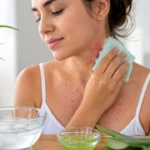
A cool compress placed over clean clothing may provide temporary external comfort when itching feels intense. Do not place ice directly on the skin or inside the vagina. Stop using any method that increases burning, redness, dryness, swelling, pain, or other signs of irritation.
Avoid Scented Products and Vaginal Douching
Scented intimate washes, vaginal deodorants, fragranced wipes, bubble baths, perfumed pads, and strongly scented soaps may irritate the vulva. Products marketed as freshening, cleansing, feminine, or pH balancing are not automatically necessary or suitable for skin that is already inflamed.
Douching involves flushing water or another liquid inside the vagina. It is sometimes promoted as a way to remove discharge or odour, but it can disturb the vagina’s natural balance. Official women’s health guidance recommends washing only the outside rather than cleaning internally.
Do not repeatedly wash the area in an effort to remove Candida. Frequent washing may increase dryness, soreness, and irritation without curing the infection. Gentle external care is sufficient while an appropriate treatment works on the underlying yeast overgrowth.
Consider whether symptoms began after using a new soap, detergent, lubricant, menstrual product, condom, wipe, or body-care product. Irritant and allergic reactions can resemble candidiasis. Stop using the suspected product and seek medical advice if the irritation does not settle or continues getting worse.
Antifungal Treatments That Actually Work
Confirmed vaginal yeast infections are usually treated with antifungal medicine. Common topical treatments include clotrimazole, miconazole, and tioconazole. Depending on the product, treatment may be available as a vaginal cream, tablet, suppository, or external cream for vulvar symptoms.
Treatment length varies according to the active ingredient, strength, infection severity, and personal circumstances. Some uncomplicated infections respond to short courses, while others require seven days or longer. Follow the product instructions or professional advice instead of stopping as soon as the itching begins to improve.
Some people may be prescribed oral fluconazole, but it is not appropriate for everyone. Pregnancy, other medicines, existing medical conditions, and recurrent symptoms may affect whether oral treatment is suitable. A doctor or pharmacist should review these factors before recommending an oral antifungal medicine.
Oil-based vaginal creams and suppositories may weaken latex condoms and diaphragms. Check the product information for instructions about contraception and sexual activity during treatment. Avoid sex when friction is painful, since continued rubbing may worsen soreness even when the antifungal medicine is working.
Does Yogurt Help a Yeast Infection?
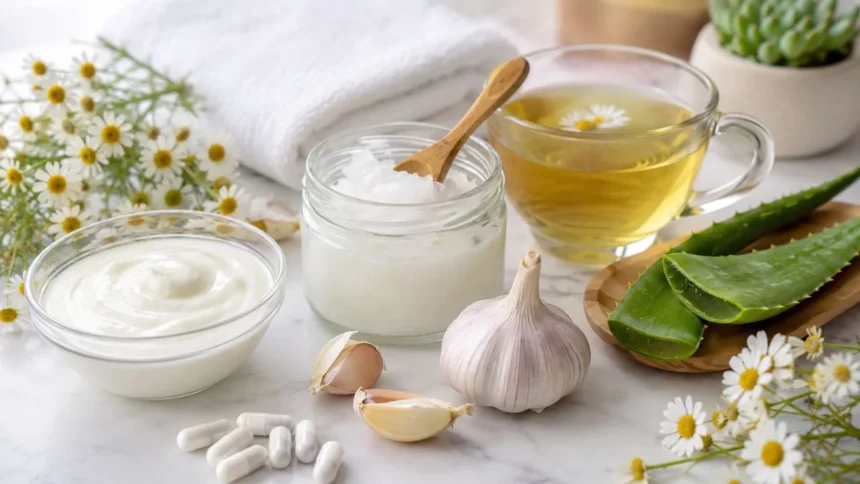
Yogurt is often suggested because certain products contain live bacterial cultures. Supporters claim that these bacteria can restore the vaginal microbiome and control Candida. Although the idea sounds reasonable, evidence has not established ordinary yogurt as a dependable treatment for an active vaginal yeast infection.
The CDC states that substantial evidence does not support probiotics as treatment for vulvovaginal candidiasis. A probiotic supplement or yogurt should therefore not replace an antifungal medicine recommended for a confirmed infection. Research on prevention and recurrence also remains mixed and product-specific.
Eating unsweetened yogurt as part of a balanced diet is different from using it as vaginal medicine. Food yogurt is not manufactured or tested as a sterile vaginal treatment. It may contain sugar, flavouring, preservatives, or other ingredients that can irritate sensitive tissue.
Do not insert yogurt into the vagina or apply it to severely irritated skin. A temporary cooling sensation does not prove that the infection is clearing. When symptoms persist, use a tested antifungal product or seek an examination rather than continuing an unsupported remedy.
Does Apple Cider Vinegar Kill Candida?
Apple cider vinegar is widely promoted online as a natural antifungal product. Suggested methods include adding it to bathwater, using it as a vaginal rinse, or applying a diluted mixture to the vulva. These approaches are not recommended treatments for vaginal candidiasis in current clinical guidance.
Vinegar is acidic and can sting inflamed, scratched, or cracked skin. A mixture that seems mildly acidic on normal skin may feel much stronger on irritated vulvar tissue. Incorrect dilution may cause additional burning, redness, dryness, swelling, or pain.
Adding vinegar to bathwater may appear soothing because the water itself provides temporary comfort. That does not demonstrate that vinegar has removed the infection. Internal rinsing may also disturb the vaginal environment while failing to deliver a controlled or medically tested antifungal dose.
Use lukewarm water for gentle external washing instead of applying vinegar. When symptoms feel severe enough to justify a strong homemade mixture, speak with a pharmacist or healthcare professional. A regulated treatment provides clearer dosing, safety instructions, and evidence than a household acidic product.
Baking Soda and Hydrogen Peroxide Are Not Proven Cures
Baking soda is sometimes added to bathwater or made into a paste for vulvar itching. Although it may be discussed online as a way to change pH, vaginal yeast infections are not safely treated by trying to alter vaginal chemistry with unmeasured household mixtures.
A concentrated baking soda paste may dry or irritate sensitive skin. Internal use can disturb the normal vaginal environment without providing a reliable antifungal effect. Vaginal pH also cannot confirm every infection, and attempting to adjust it at home may hide or worsen another condition.
Hydrogen peroxide presents greater irritation risks. It can damage healthy tissue, cause burning, and interfere with normal microorganisms. It should not be inserted into the vagina, used as a douche, or applied to inflamed vulvar skin as a treatment for Candida.
Neither baking soda nor hydrogen peroxide replaces clotrimazole, miconazole, or another recommended antifungal medicine. If standard treatment has failed, the solution is not a stronger household chemical. Medical testing may be needed to identify another infection, a resistant organism, or a noninfectious skin condition.
Can Garlic Treat Vaginal Thrush?
Garlic contains compounds that have demonstrated antimicrobial activity in laboratory settings. This has led to the claim that inserting a peeled garlic clove can cure vaginal thrush. Laboratory activity does not prove that raw garlic is safe, correctly dosed, or effective inside the human vagina.
Raw garlic may cause significant burning or contact irritation when it touches delicate tissue. A clove may also break apart or become difficult to remove. Homemade garlic preparations have no standardized concentration, purity, treatment time, manufacturing controls, or reliable safety instructions.
Eating garlic in meals is not the same as applying it to the vulva or vagina. A food can be safe for the digestive system while remaining unsuitable for irritated genital tissue. Dietary garlic has not been established as a substitute for antifungal medicine.
Do not insert garlic cloves, garlic paste, or garlic oil into the vagina. If symptoms continue after recommended treatment, arrange medical testing. Repeatedly applying increasingly strong DIY products can worsen inflammation while delaying the diagnosis of the actual condition.
Tea Tree Oil, Essential Oils, and Coconut Oil
Tea tree oil and other essential oils are promoted because laboratory research has examined their effects on fungi. Essential oils are highly concentrated, however, and laboratory findings do not provide a safe vaginal dose. They also do not prove that an aromatherapy product can clear a clinical infection.
Undiluted tea tree, oregano, peppermint, thyme, or lavender oil may cause burning, redness, swelling, or allergic contact dermatitis. Even diluted products can irritate sensitive skin. Products sold for fragrance or cosmetic use are not necessarily sterile, standardized, or suitable for internal application.
Coconut oil is sometimes presented as a gentler antifungal remedy. Although it may reduce friction temporarily, household coconut oil has not been proven to cure vaginal candidiasis. It may also trap moisture, contain added fragrance, or trigger irritation in people with sensitive skin.
Oil-based products may damage latex condoms and diaphragms, reducing their reliability. Avoid inserting coconut oil or essential oils into the vagina. Stop applying any external product that increases discomfort, and select an antifungal treatment with tested ingredients and clear usage instructions.
Is Boric Acid a Safe Home Remedy?
Boric acid is sometimes described as a natural or home treatment, but that description is misleading. It is not the first treatment for an ordinary yeast infection, and household boric acid powder should never be inserted into the vagina or turned into homemade capsules.
Clinical guidance includes vaginal boric acid in selected cases involving recurrent or non-albicans Candida infections. These cases may respond differently from routine Candida albicans infections and should be confirmed through medical assessment. Boric acid use should follow professional advice rather than an online recipe.
Boric acid is poisonous when swallowed. Vaginal products must be kept away from children, pets, and anyone who could mistake them for oral medicine. Incorrect preparation may also create problems with purity, contamination, capsule strength, and inaccurate dosing.
Do not use boric acid during pregnancy unless a qualified healthcare professional has provided specific instructions. Anyone considering it because standard treatment failed should first obtain an accurate diagnosis. Persistent symptoms may not be caused by Candida and may require a completely different treatment.
Can Diet and Sugar Cause Yeast Infections?
Candida uses carbohydrates in laboratory environments, which has contributed to claims that eating sugar directly causes vaginal yeast infections. Human biology is more complicated. Eating one sweet food does not automatically produce vaginal candidiasis, and eliminating all carbohydrates is not a proven cure.
People with poorly controlled diabetes can have a higher risk of yeast infections because elevated blood glucose affects immunity and the genital environment. In this situation, following a healthcare professional’s diabetes plan is more useful than attempting an extreme cleanse or highly restrictive Candida diet.
A balanced eating pattern can support general health, but no particular juice, detox drink, spice, supplement, or food has been proven to clear an active vaginal infection. Drinking enough water supports normal health and urination, but it does not wash Candida out of the vagina.
Avoid restrictive diets that remove major food groups without medical guidance. They can create nutritional problems while leaving the infection untreated. Treat confirmed candidiasis with appropriate antifungal medicine, then discuss recurrent infections with a clinician who can investigate diabetes, medication use, or other contributing factors.
How to Prevent Another Yeast Infection
It is not possible to prevent every vaginal yeast infection. However, keeping the external area clean and dry may reduce conditions that contribute to irritation. Change out of wet swimsuits, sweaty clothing, and damp underwear rather than remaining in them for long periods.
Choose cotton underwear and breathable clothing that does not fit too tightly. These choices may improve airflow and reduce trapped moisture around the vulva. You do not need special antifungal fabric, perfumed liners, intimate deodorants, or expensive cleansing products to maintain normal vaginal health.
Avoid douching and unnecessary internal products. Wash the vulva gently and let the vagina maintain its natural environment. Change menstrual products regularly, and stop using soaps, lubricants, wipes, detergents, or pads that repeatedly cause burning, dryness, itching, or redness.
Use antibiotics only as prescribed, but do not avoid medicine needed for a bacterial infection. Antibiotics can sometimes affect protective bacteria and allow Candida to grow. Tell the prescriber if you regularly develop thrush after antibiotic treatment so that appropriate advice can be discussed.
Yeast Infection Treatment During Pregnancy
Hormonal changes during pregnancy can make vaginal thrush more common. Symptoms should still be assessed because other infections may also cause discharge, itching, burning, or soreness. Contact a doctor, midwife, nurse, or pharmacist before beginning any medicine or home treatment.
CDC guidance recommends topical azole treatment for seven days during pregnancy. A healthcare professional can advise whether clotrimazole, miconazole, or another topical antifungal is appropriate. Follow the complete treatment course, even if symptoms begin improving earlier.
Oral fluconazole is not recommended as routine treatment for vaginal candidiasis during pregnancy. Treatment choices should account for pregnancy stage, symptoms, previous infections, other medicines, and medical history. Do not take leftover oral tablets from an earlier infection.
Pregnancy is not a suitable time to experiment with boric acid, vinegar, garlic, essential oils, hydrogen peroxide, or homemade suppositories. These products may irritate tissue or expose the pregnancy to unnecessary risk. Use only treatments recommended by a qualified maternity or healthcare professional.
How to Tell If It Might Not Be Yeast
Thick white discharge, itching, redness, and soreness are commonly associated with candidiasis, but symptoms alone cannot always confirm it. Many vaginal and vulvar conditions overlap, especially when burning, discomfort during sex, or pain during urination is the main complaint.
A strong fishy smell and thin grey or white discharge may suggest bacterial vaginosis rather than yeast. BV requires antibiotic treatment, not an over-the-counter antifungal. Using yeast infection medicine for BV will not address the underlying bacterial imbalance.
Yellow-green discharge, sores, blisters, pelvic pain, fever, unexplained bleeding, or significant urinary symptoms are not typical signs of a straightforward yeast infection. These symptoms may require testing for an STI, urinary infection, skin disorder, or another reproductive health condition.
External itching may also come from eczema, dermatitis, shaving irritation, menopause-related dryness, or an allergy to a personal-care product. If antifungal treatment repeatedly fails, stop assuming that Candida is responsible. A physical examination and laboratory testing may identify the true cause.
When to Contact a Healthcare Professional
Arrange an assessment when vaginal symptoms occur for the first time. A clinician can determine whether the problem is candidiasis, bacterial vaginosis, an STI, irritation, or another condition. Learning what a confirmed infection feels like may make future decisions about self-treatment safer.
Seek medical care when symptoms are severe, unusual, or getting worse. You should also ask for help when over-the-counter treatment does not work, symptoms return shortly after treatment, or discharge develops a strong smell, unusual colour, or blood.
Professional advice is especially important during pregnancy and for people with diabetes, HIV, cancer treatment, immune suppression, or other significant medical conditions. These situations may require testing, longer treatment, or a different antifungal approach rather than a standard short course.
Get prompt care for fever, lower abdominal or pelvic pain, sores, blisters, unexplained bleeding, severe swelling, or feeling seriously unwell. These are not normal features of uncomplicated vaginal thrush and should not be managed by repeatedly trying home remedies.
What Causes Recurrent Yeast Infections?
The CDC defines recurrent vulvovaginal candidiasis as three or more symptomatic episodes within one year. Repeated symptoms require a different approach from one occasional infection because the diagnosis, Candida species, risk factors, and required treatment may be different.
Frequent antibiotics, poorly controlled diabetes, immune system problems, and hormonal factors may contribute to recurrence. In many cases, however, no clear cause is identified. Laboratory testing can confirm whether Candida is present and determine whether a less common species is involved.
Recurrent infections may require a longer initial antifungal course followed by maintenance treatment. The correct plan depends on test results, pregnancy status, medical history, previous treatment, and possible medicine interactions. It should be created with a qualified healthcare professional.
Do not repeatedly use short treatments every time itching appears without confirming the diagnosis. Ongoing self-treatment can expose irritated tissue to unnecessary medicine while delaying care for bacterial vaginosis, dermatitis, an STI, vulvar pain, or another condition.
A Simple and Safe At-Home Action Plan
First, assess whether the symptoms are familiar and previously diagnosed. When symptoms are new, unusually painful, associated with odour, or different from earlier infections, contact a healthcare professional. Do not assume every episode of itching or discharge is caused by yeast.
Second, reduce external irritation. Wash only the vulva with lukewarm water, dry gently, wear breathable underwear, change damp clothing, and avoid fragranced products. Do not douche or insert food, oils, herbs, acids, antiseptics, or homemade capsules into the vagina.
Third, use an appropriate antifungal medicine when the infection has been confirmed and self-treatment is suitable. Read the instructions, complete the recommended course, and check warnings about pregnancy, sexual activity, latex contraception, medicine interactions, and recurring symptoms.
Finally, monitor your recovery. Seek medical advice if symptoms worsen, remain after treatment, or return soon afterward. Continued symptoms may mean the treatment was unsuitable, the Candida species is different, or the original problem was not a yeast infection.
Final Thoughts
The safest home remedies for yeast infection symptoms are simple comfort measures. Gentle external washing, careful drying, breathable clothing, and avoiding irritants may reduce soreness and itching while the affected skin recovers. These steps support comfort but do not directly cure Candida overgrowth.
Antifungal medicine remains the proven treatment for vaginal candidiasis. Clotrimazole, miconazole, and other appropriate antifungals have clearer evidence, dosing, and safety instructions than yogurt, vinegar, garlic, oils, baking soda, peroxide, or homemade vaginal treatments.
The most important step is making sure that yeast is actually causing the symptoms. Vaginal infections, allergies, skin conditions, and hormonal changes can look similar. First-time, persistent, severe, recurrent, or unusual symptoms should be assessed instead of treated through repeated guesswork.
Vaginal yeast infections are common and treatable. There is no reason to feel ashamed or tolerate ongoing discomfort. A doctor, pharmacist, nurse, gynaecologist, or sexual health clinician can help confirm the diagnosis and recommend a safe treatment suited to your circumstances.
Frequently Asked Questions
What is the fastest home remedy for a yeast infection?
No household remedy has been proven to cure a vaginal yeast infection quickly. Gentle hygiene may reduce discomfort, but an appropriate antifungal medicine treats the Candida overgrowth.
Can a vaginal yeast infection go away without treatment?
Some mild symptoms may settle, but infections can continue or worsen. Seek advice when symptoms are new, severe, persistent, recurrent, or different from a previously diagnosed infection.
Can I put yogurt on a yeast infection?
Inserting food yogurt into the vagina is not recommended. Evidence does not support probiotics as a reliable treatment, and food products may contain ingredients or contaminants that irritate vaginal tissue.
How long does a yeast infection take to clear?
The time varies by treatment and infection severity. Many treatments last one to seven days, but symptoms that remain or return after treatment should be assessed by a healthcare professional.
When should I avoid treating a yeast infection at home?
Avoid self-diagnosis during pregnancy, with first-time symptoms, recurrent infections, severe pain, immune problems, unusual discharge, fever, sores, bleeding, or unsuccessful over-the-counter treatment.