Modern manufacturing and processing industries depend on reliable material handling systems to maintain productivity, reduce operational costs, and ensure consistent product quality. A wire mesh conveyor belt is an effective solution for businesses that require durable, efficient, and hygienic transportation of materials across different production environments. Wire Belt Company is an example of a specialist in designing, manufacturing, and installing conveyor belts for food processing and industrial applications. Through customized conveyor solutions, technical support, belt surveys, operator training, and maintenance tools, the company helps businesses improve efficiency, minimize downtime, extend equipment life, and optimize overall production performance.
Understanding Metal Conveyor Belt Systems
Metal conveyor belt systems play an important role in industries where materials must move safely and efficiently through different stages of production. Unlike conventional rubber or plastic belts, metal belts are manufactured using materials such as stainless steel and other industrial-grade metals. This construction makes them suitable for demanding environments involving high temperatures, heavy loads, moisture, and continuous operation.
These systems are commonly used in food processing, automotive manufacturing, electronics production, packaging, and various industrial applications. Their strength, durability, and adaptability allow businesses to transport products while maintaining consistent production speeds.
Depending on operational requirements, metal conveyor belts can be designed with different mesh patterns, wire diameters, belt widths, and configurations to accommodate specific products and processing conditions.
The Benefits of Wire Mesh Conveyor Solutions
A wire mesh conveyor offers several advantages for businesses that require dependable material handling equipment. Its open structure allows air, liquids, and heat to pass through the belt, making it particularly useful for applications involving washing, drying, cooling, heating, and food processing.
Some of the key benefits include:
- Improved airflow: Open mesh designs support better circulation during cooling, drying, and heating processes.
- Temperature resistance: Metal construction makes these belts suitable for applications involving extreme temperatures.
- Long-term durability: High-quality metal materials can withstand demanding operating conditions and continuous use.
- Easy cleaning: Stainless steel designs are suitable for environments where regular cleaning and hygiene are essential.
- Reduced maintenance: Properly selected and maintained conveyor belts can minimize unexpected breakdowns and replacement requirements.
- Custom configurations: Different mesh patterns and belt specifications allow businesses to address their individual production needs.
These advantages make metal conveyor systems a practical investment for manufacturers looking to improve operational reliability.
Applications Across Food Processing and Industrial Sectors
Metal conveyor belts are used in a wide range of industries because they can be adapted to different production processes.
Food Processing
Food manufacturers require equipment that supports hygiene, consistent product handling, and reliable performance. Metal conveyor belts are frequently used for transporting products through cooking, baking, freezing, washing, and drying operations.
Stainless steel construction is particularly valuable in food production because it can withstand regular cleaning and demanding processing conditions. Open mesh designs also help maintain airflow and temperature consistency during various stages of food preparation.
Industrial Manufacturing
Industrial facilities often handle heavy components, manufactured goods, and materials that require dependable transportation. Metal conveyor systems provide the strength and stability needed for many of these operations.
They can be integrated into automated production lines, assembly processes, and material transportation systems to improve workflow and reduce manual handling.
Baking and Cooling Operations
In commercial baking and food production, conveyor belts help move products through ovens, cooling tunnels, and other processing equipment. Metal mesh designs allow heat and air to circulate efficiently, supporting consistent processing and product quality.
Packaging and Distribution
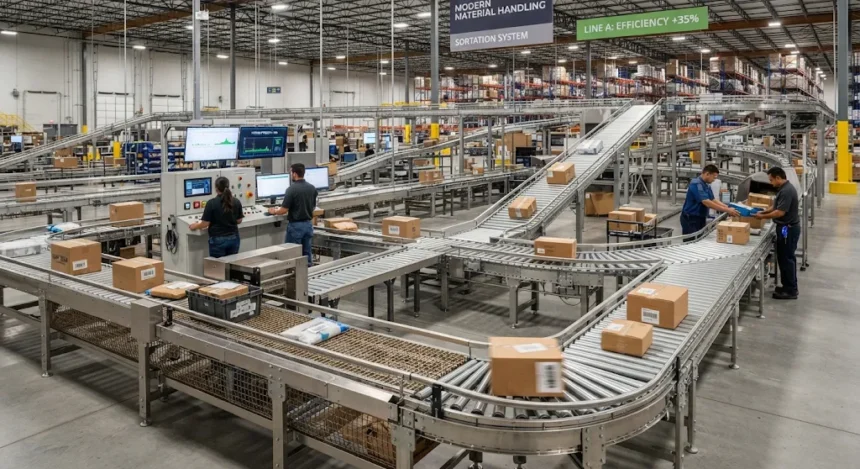
Conveyor systems also support packaging operations by transporting finished products between production, inspection, sorting, and packaging stations. Reliable equipment helps maintain consistent production speeds and reduces unnecessary interruptions.
Custom Conveyor Belt Design for Better Performance
Every production facility has different operational requirements. Factors such as product dimensions, operating temperatures, conveyor speed, available space, and environmental conditions can influence the type of conveyor belt required.
Choosing a customized solution helps ensure that the equipment matches the actual demands of the production process.
Wire Belt Company provides specialized conveyor belt solutions designed around individual application requirements. Its services include designing and manufacturing conveyor belts, installation support, and technical guidance to help businesses select appropriate equipment for their operations.
A properly designed conveyor system can improve product movement, minimize material handling problems, and support more efficient production workflows.
Reducing Downtime Through Proper Maintenance
Unexpected equipment failures can disrupt production schedules, increase operating expenses, and affect delivery commitments. Conveyor belt maintenance is therefore an important part of managing an efficient manufacturing facility.
Regular inspections can help identify issues such as belt wear, tracking problems, damaged components, and tension irregularities before they develop into more serious mechanical failures.
Businesses can improve conveyor performance through several maintenance practices:
- Conduct regular inspections: Examine belts and conveyor components for visible damage, wear, and alignment issues.
- Monitor belt tracking: Ensure the belt follows the correct path to prevent unnecessary friction and premature wear.
- Maintain proper cleaning procedures: Remove accumulated debris and contaminants that could affect performance.
- Replace worn components: Address damaged or deteriorating parts before they cause additional equipment problems.
- Follow manufacturer recommendations: Use appropriate maintenance procedures and tools for the specific conveyor system.
Professional belt surveys and technical support can also help businesses identify potential problems and develop effective maintenance strategies.
The Importance of Technical Support and Operator Training
Even high-quality conveyor equipment requires proper installation, operation, and maintenance. Employees who understand how their systems work are better equipped to recognize operational problems and follow appropriate maintenance procedures.
Technical support helps businesses select suitable belt specifications, troubleshoot performance issues, and identify opportunities for improvement. Operator training also contributes to safer working conditions and more consistent equipment handling.
Wire Belt Company supports businesses through technical assistance, belt surveys, training resources, and maintenance tools. These services help operators understand their equipment, maintain reliable performance, and extend the working life of conveyor systems.
Choosing the Right Metal Conveyor Belt System
Selecting the right conveyor belt requires evaluating both immediate production requirements and long-term operational goals.
Before investing in a new system, businesses should consider:
- Material compatibility: Choose a belt material suitable for the products and operating environment.
- Temperature requirements: Verify that the belt can withstand the temperatures involved in production.
- Load capacity: Ensure the conveyor can support the weight and dimensions of transported materials.
- Hygiene standards: Food processing facilities should prioritize materials and designs that support effective cleaning.
- Maintenance requirements: Consider the availability of replacement components, technical assistance, and maintenance resources.
- Customization options: Select a manufacturer capable of adapting belt designs to specific production requirements.
Working with an experienced conveyor belt manufacturer can make this selection process easier and help prevent costly equipment mismatches.
Conclusion
Metal conveyor belt systems are an essential part of modern material handling, supporting efficient production across food processing, manufacturing, packaging, and other industrial sectors. Their durability, temperature resistance, and adaptable designs make them suitable for demanding operating environments.
By investing in the right conveyor technology, businesses can improve material movement, maintain consistent production, and reduce unnecessary downtime. Working with experienced providers such as Wire Belt Company also gives manufacturers access to customized belt solutions, technical support, training, and maintenance resources that help extend equipment life and optimize long-term performance.