Hydrogen Water Tablets: Benefits, Uses & Evidence
Hydrogen water tablets are dissolvable supplements designed to increase the concentration of molecular hydrogen, or H₂, in ordinary drinking water. Once placed in water, ingredients within the tablet react and release hydrogen gas, part of which dissolves into the water before it is consumed. Molecular hydrogen has attracted interest because laboratory and early human studies suggest it may influence oxidative stress, inflammation, exercise recovery, metabolism, and cellular signaling. Athletes, wellness enthusiasts, and people interested in antioxidant supplements increasingly use hydrogen-generating tablets as a convenient alternative to hydrogen-water machines or prepackaged hydrogen-rich beverages. However, the popularity of the products has moved faster than the clinical evidence. Many proposed benefits remain preliminary, and hydrogen water tablets should not be viewed as established treatments for medical diseases.
Recent research has become more informative but remains mixed. A 2024 systematic review of hydrogen-rich water and other forms of molecular hydrogen found encouraging findings across several areas while emphasizing that larger, better-designed clinical trials are still required. Another 2024 meta-analysis of exercise studies found no meaningful improvements in aerobic endurance, anaerobic endurance, or muscular strength overall, although small improvements appeared in lower-body explosive power, perceived exertion, and blood lactate measurements. Research involving metabolic disorders has reported modest changes in cholesterol and other markers, but study sizes remain relatively small. The most accurate conclusion is therefore that molecular hydrogen is biologically interesting and potentially useful, but many commercial claims exceed what current evidence can reliably prove.
What Are Hydrogen Water Tablets?
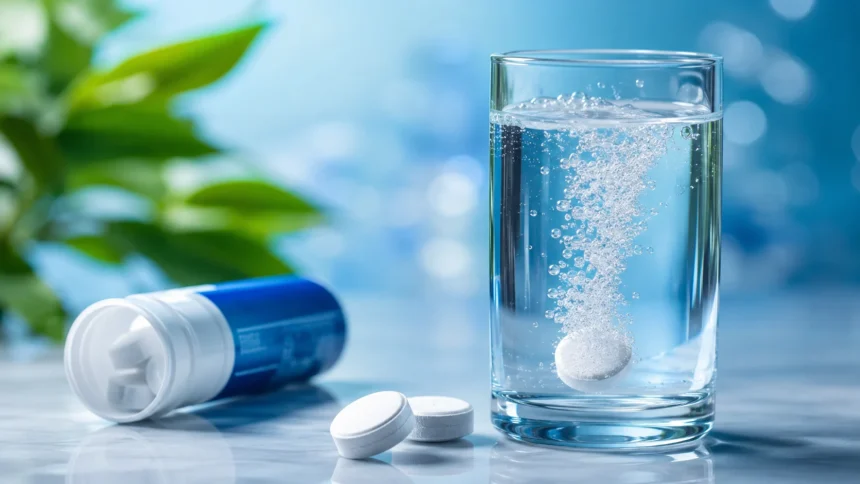
Hydrogen water tablets are effervescent products that generate molecular hydrogen after being dropped into water. Many formulations use elemental magnesium or another hydrogen-generating system that reacts when the tablet contacts water. A commonly studied chemical reaction involves magnesium interacting with water to form magnesium hydroxide while releasing molecular hydrogen gas. Researchers have previously used magnesium-based devices to create hydrogen-rich drinking water for human studies, demonstrating that this approach can produce measurable dissolved hydrogen concentrations. Commercial tablets may contain additional acids, minerals, or formulation ingredients that control how quickly the reaction occurs. Because formulations differ, one tablet should not automatically be considered equivalent to another.
Molecular hydrogen is simply two hydrogen atoms bonded together as H₂. It should not be confused with hydrogen ions, hydrogen peroxide, alkaline water, or the hydrogen already bound inside ordinary H₂O molecules. Adding molecular hydrogen to water generally does not fundamentally transform the nutritional composition of the water itself. Instead, a small quantity of hydrogen gas becomes temporarily dissolved within the liquid. Researchers studying hydrogen-rich water are interested in this dissolved H₂ rather than the oxygen and hydrogen atoms that make up normal water. This distinction matters because marketing sometimes combines terms such as alkaline water, ionized water, hydrogen water, and antioxidant water even though these describe different chemical properties and production methods.
Hydrogen tablets are popular partly because they are portable. A small tube or packet can be carried to work, the gym, or while traveling, whereas an electrolysis machine requires equipment and prepackaged hydrogen water may be inconvenient to transport. The user generally places a tablet into a specified amount of water, allows the reaction to occur, and drinks the water according to the manufacturer’s directions. This simplicity has made tablets common in sports and wellness markets. However, convenience does not establish clinical effectiveness. What matters scientifically is how much molecular hydrogen actually dissolves, how long the concentration remains high, and whether the dose resembles one that has produced measurable effects in controlled human research.
Hydrogen concentration is usually described in parts per million, milligrams per liter, or sometimes the total milligrams of H₂ delivered per serving. These measurements are not interchangeable with the weight of the tablet itself. A tablet weighing several hundred milligrams does not provide hundreds of milligrams of molecular hydrogen because most of its mass consists of ingredients used to generate the gas. Consumers should therefore look for information about actual molecular hydrogen yield rather than assuming a larger tablet is stronger. Study protocols also vary widely, with some research using modest concentrations and others investigating much higher total hydrogen exposures. There is currently no universally established therapeutic concentration for everyday healthy users.
Hydrogen water tablets are generally marketed as dietary supplements rather than prescription treatments. In the United States, dietary supplements are not routinely approved by the FDA for safety and effectiveness before reaching the market, and structure-function claims do not receive the same premarket approval required for drugs. Manufacturers are responsible for ensuring their products comply with applicable requirements and that claims are truthful rather than misleading. This regulatory distinction is important when a product promises effects such as “supports antioxidant defenses.” Such wording does not mean the tablet has been clinically proven or FDA-approved to treat arthritis, diabetes, cardiovascular disease, cancer, or another medical condition.
How Do Hydrogen Water Tablets Work?
Once a hydrogen-generating tablet contacts water, its ingredients undergo a chemical reaction that releases molecular hydrogen gas. In magnesium-based systems, elemental magnesium can react with water to produce magnesium hydroxide and H₂. Earlier clinical research used a magnesium device to maintain hydrogen concentrations of approximately 0.55 to 0.65 millimolar in drinking water. Modern tablets may use additional ingredients that accelerate the reaction and increase hydrogen production. The visible bubbles are part of this gas-release process, although the amount of bubbling alone does not tell a consumer how much hydrogen ultimately remains dissolved. Laboratory measurement is needed to verify the true dissolved concentration.
Molecular hydrogen is extremely small and diffuses readily, which is one reason hydrogen-rich water is usually best consumed relatively soon after preparation. Research examining hydrogen-containing water has shown that concentrations decline after containers are opened because hydrogen escapes into the surrounding air. One experimental study of highly concentrated hydrogen water found significant declines within hours after opening, leading the researchers to recommend relatively prompt consumption once the container was opened. Different containers retain hydrogen differently as well, with certain plastics allowing greater gas loss over time than more hydrogen-resistant packaging. Preparing a hydrogen tablet drink and leaving it uncovered all afternoon can therefore reduce the amount of H₂ eventually consumed.
After hydrogen-rich water is swallowed, dissolved H₂ can diffuse across biological membranes and enter tissues relatively quickly. Researchers are interested in hydrogen partly because its small molecular size may allow it to reach cellular environments that are difficult for many larger compounds to access. Proposed mechanisms include effects on redox signaling, inflammation-related pathways, antioxidant defense systems, mitochondrial function, and cellular stress responses. A 2025 review described several proposed pathways, including regulation involving Nrf2 antioxidant signaling and inflammatory signaling networks. These mechanisms are scientifically plausible but remain incompletely understood, particularly in humans consuming ordinary commercial tablets.
Early discussions often described molecular hydrogen mainly as a selective antioxidant that directly neutralized particularly damaging reactive species. Modern research suggests that explanation may be too simple. Hydrogen may also influence signaling systems that determine how the body’s own antioxidant and inflammatory defenses respond to stress. This distinction is important because reactive oxygen species are not universally harmful; some are necessary for normal cellular signaling and exercise adaptation. An ideal intervention would therefore regulate excessive oxidative stress without suppressing normal biological signaling. Researchers continue investigating whether molecular hydrogen can actually achieve this balance consistently under real-world conditions.
The biological response also depends on dose, timing, tissue exposure, and the health of the person taking it. Drinking hydrogen-rich water immediately before intense exercise may produce a different physiological effect from consuming it twice daily for several months. Healthy athletes may also respond differently from people with metabolic syndrome or chronic disease. This heterogeneity is one of the major problems in hydrogen research because studies use different concentrations, devices, tablets, treatment durations, and outcome measurements. A positive trial using one hydrogen-delivery protocol cannot automatically validate every hydrogen tablet sold commercially. Matching product claims to the conditions actually studied is therefore essential.
Potential Benefits of Hydrogen Water Tablets
One proposed benefit is support for antioxidant defenses. Intense physical activity, illness, environmental exposures, and ordinary metabolism can generate reactive oxygen species, and excessive oxidative stress may damage lipids, proteins, and other cellular structures. Molecular hydrogen has been investigated because it may influence oxidative stress without acting exactly like traditional antioxidant vitamins. A 2024 systematic review and meta-analysis involving exercise studies found that molecular hydrogen did not significantly reduce one commonly evaluated oxidative-stress measurement overall but did produce a small improvement in biological antioxidant potential. Only six studies with 76 participants were included in that analysis, so the evidence remains limited. This is promising mechanistic evidence rather than proof of broad disease prevention.
A second proposed benefit involves inflammation. Laboratory research suggests molecular hydrogen can influence inflammatory signaling pathways, and human studies have measured changes in inflammatory biomarkers after hydrogen-rich water consumption. Some metabolic and exercise trials have reported favorable results, while others have found little or no meaningful difference. Inflammation itself is not automatically harmful because temporary inflammatory responses are essential for immune defense, wound healing, and exercise adaptation. The clinically important question is whether hydrogen can beneficially modify excessive or chronic inflammation without interfering with normal responses. Current evidence does not justify using hydrogen tablets as a replacement for established anti-inflammatory treatment when a diagnosed medical condition requires one.
A third area of interest is exercise fatigue and recovery. Several trials have examined blood lactate, perceived exertion, muscle damage, strength, sprint performance, and endurance after hydrogen supplementation. The 2024 performance meta-analysis involving 27 publications and 597 participants found small improvements in lower-limb explosive power, perceived exertion, and blood lactate but no significant overall improvements in aerobic endurance, anaerobic endurance, VO₂max, or muscular strength. This means the evidence does not support describing hydrogen tablets as a guaranteed performance enhancer. Athletes may experience subtle benefits in selected situations, but training, nutrition, sleep, hydration, and recovery remain far more established determinants of performance.
Metabolic health is another frequently discussed application. Trials involving people with metabolic syndrome, high cholesterol, and obesity have reported changes in cholesterol, glucose regulation, inflammation, and related biomarkers. A 2024 systematic review and meta-analysis of eight randomized trials involving 357 people with metabolic disorders reported modest reductions in some lipid measures but emphasized heterogeneity and the need for larger long-term studies. These findings are scientifically interesting but do not mean someone with high cholesterol can replace statins, dietary changes, physical activity, or other prescribed treatment with hydrogen tablets. Biomarker improvements in relatively small studies are not equivalent to demonstrating fewer heart attacks or longer life.
Claims involving brain health, energy, anti-aging, immune function, skin quality, and general wellness are less firmly established. Small trials have investigated several of these areas, but sample sizes and methodologies differ substantially. The 2024 systematic review of hydrogen-rich water concluded that preliminary evidence across exercise capacity, liver function, cardiovascular health, mental health, oxidative stress, and other fields was encouraging while still requiring larger rigorous trials. Consumers should therefore be cautious when one tablet is marketed as simultaneously improving athletic performance, preventing aging, detoxifying the body, boosting cognition, balancing hormones, and protecting every major organ. Broad marketing claims often extend much further than clinical evidence.
Hydrogen Water for Exercise Performance and Recovery
Exercise is one of the better-studied areas of molecular hydrogen research because oxidative stress, inflammation, lactate production, muscle fatigue, and recovery can be measured relatively easily. Athletes are also interested in interventions that might improve performance without using stimulants. Several small studies have given hydrogen-rich water before, during, or after exercise and compared outcomes with ordinary water. Results have varied, with some trials reporting reductions in perceived fatigue or biochemical markers and others reporting minimal differences. This inconsistency may reflect differences in training status, exercise type, hydrogen dose, timing, and study size. A supplement that helps one aspect of high-intensity intermittent exercise may not improve marathon endurance or maximal strength.
The strongest recent quantitative summary does not show a dramatic performance effect. The 2024 meta-analysis of 27 publications found no statistically significant improvement in aerobic endurance, VO₂max, 30-second maximal anaerobic endurance, or muscular strength. It did report a small improvement in lower-limb explosive power and reductions in perceived exertion and blood lactate. These effects could matter to competitive athletes if confirmed, but the results are far smaller and less established than the benefits of structured training, adequate carbohydrate intake, protein, sleep, and appropriate recovery. Anyone expecting a hydrogen tablet to produce an obvious jump in endurance or strength is likely expecting more than the evidence currently supports.
Some newer individual trials have produced encouraging findings. A randomized, double-blind, placebo-controlled study in 22 female elite athletes used hydrogen-rich-water-generating tablets and reported improvements in some measures of muscle damage, torque, and power endurance. Although such a study is relevant because it directly involves tablet-generated hydrogen water, 22 participants are far too few to establish a universal athletic benefit. Elite athletes also differ physiologically from ordinary gym users. Replication across larger groups, different sports, and independent research teams is necessary before the results can be considered robust.
Another issue is whether reducing oxidative stress is always desirable immediately around training. Exercise deliberately creates temporary metabolic stress that contributes to adaptation. Some antioxidant supplements have raised concerns because excessive suppression of exercise-induced signaling could theoretically interfere with training adaptations. Molecular hydrogen may differ from conventional antioxidants, and advocates argue that it modulates rather than eliminates redox signaling. However, this mechanism remains an active area of study. Athletes should therefore avoid assuming that more antioxidant activity automatically means faster progress. The body’s own adaptive responses are part of what makes training effective.
Hydrogen water is also not a substitute for ordinary hydration. A person exercising in heat still needs sufficient water and electrolytes according to sweat losses and training conditions. One small bottle of concentrated hydrogen water cannot compensate for inadequate fluid intake during prolonged exercise. Likewise, hydrogen tablets do not replace carbohydrate during endurance events, protein for muscle repair, or sodium replacement when substantial sweating occurs. The most reasonable way to view hydrogen-rich water in sports is as an experimental adjunct that may provide modest benefits for certain outcomes. It should sit far below basic training and nutrition in the hierarchy of performance priorities.
Hydrogen Water and Metabolic Health
Metabolic syndrome includes a cluster of factors such as abdominal obesity, high blood pressure, abnormal blood lipids, and impaired glucose regulation that together increase cardiovascular and diabetes risk. Molecular hydrogen has been studied in this population because oxidative stress and chronic low-grade inflammation are involved in several aspects of metabolic dysfunction. One early pilot study using magnesium-generated hydrogen water found changes in antioxidant markers and cholesterol-related measurements after eight weeks. However, the trial was open-label and small, making it useful mainly for generating hypotheses rather than proving effectiveness. Later controlled trials have provided additional evidence, but study populations remain modest.
A 24-week randomized, double-blind, placebo-controlled trial involving 60 adults with metabolic syndrome reported improvements in several markers, including cholesterol, glucose, hemoglobin A1c, inflammation-related markers, and redox measures among those receiving high-concentration hydrogen-rich water. The results are notable because the intervention lasted longer than many hydrogen studies. However, one small trial should not change standard treatment recommendations for diabetes, hypertension, or dyslipidemia. Larger multicenter studies would need to determine whether these changes are reproducible and whether they translate into meaningful clinical benefits rather than simply short-term laboratory differences.
Research on cholesterol provides a similarly promising but incomplete picture. The 2024 meta-analysis of randomized clinical trials involving metabolic disorders included eight studies and 357 participants. It reported modest reductions in triglycerides and some cholesterol measurements, while results for other lipid measures were inconsistent. Earlier randomized research in people with high cholesterol also reported improvements in several aspects of HDL function after hydrogen-rich water intake. These findings justify continued investigation but remain insufficient to treat hydrogen tablets as lipid-lowering medication.
Weight management claims deserve even more caution. Some hydrogen studies have measured body weight, body composition, appetite, or waist circumference, and occasional improvements have been reported. A recent randomized trial in 36 adults with obesity found some changes in cravings, sleep quality, cholesterol, and GLP-1 after eight weeks of hydrogen-rich water, but the study was small. Hydrogen tablets should therefore not be marketed or used as fat-burning pills. Sustainable body-fat reduction still depends primarily on long-term energy balance, dietary quality, physical activity, sleep, medications when indicated, and management of underlying health conditions.
People with diabetes should be particularly careful about replacing established care with wellness supplements. Even if future studies confirm that hydrogen-rich water modestly improves glucose-related biomarkers, the size and reliability of the effect would determine whether it has practical clinical value. Someone taking insulin or glucose-lowering medication also needs monitoring when experimenting with supplements promoted for metabolic effects. An older hydrogen-water trial involving people with mitochondrial and inflammatory disorders reported a hypoglycemic episode in one insulin-treated participant that resolved after insulin adjustment, illustrating why medically complicated patients should involve their healthcare professionals. Hydrogen water should be considered complementary, not a replacement for prescribed therapy.
Hydrogen Water, Oxidative Stress and Inflammation
Oxidative stress occurs when production of reactive molecules exceeds the body’s capacity to regulate them effectively. Reactive oxygen species participate in normal signaling, immune defense, and exercise adaptation, but excessive or poorly controlled oxidative stress can contribute to cellular damage. This balance has made molecular hydrogen attractive because early studies proposed that it might influence damaging reactive species while interfering less with useful redox signaling. Research now suggests its effects may involve broader regulation of antioxidant enzymes and cellular signaling rather than simple chemical neutralization. A 2025 review summarized mechanisms involving antioxidant, anti-inflammatory, mitochondrial, and signaling pathways, although many details remain under investigation.
Exercise studies provide a useful example of why interpreting antioxidant claims is complicated. The 2024 systematic review of hydrogen supplementation and exercise-induced oxidative stress found no significant reduction in one direct oxidative-stress marker but did observe a small improvement in biological antioxidant potential. Only 76 participants were represented across the included experiments. A supplement company might describe this as evidence that hydrogen “boosts antioxidant defenses,” while a more careful scientific interpretation is that one pooled antioxidant-capacity measurement changed modestly in a small research base. Both statements refer to the same result, but only the second captures the uncertainty appropriately.
Inflammatory markers can be equally difficult to interpret because temporary inflammation is part of normal physiology. Exercise increases certain inflammatory signals as part of tissue adaptation, while infection activates inflammation to help fight pathogens. Chronic excessive inflammation is different and can accompany obesity, cardiovascular disease, autoimmune disorders, and other conditions. Hydrogen research has reported changes in inflammatory markers in several settings, but there is no established clinical protocol in which a doctor prescribes over-the-counter hydrogen tablets specifically to treat chronic inflammatory disease. A reduction in one cytokine or laboratory marker also does not automatically mean symptoms improve or disease progression changes.
Another limitation is that oxidative and inflammatory biomarkers vary considerably between studies. Researchers may measure malondialdehyde, antioxidant enzymes, glutathione, cytokines, lipid oxidation products, total antioxidant capacity, or dozens of other markers. A positive change in one laboratory measure and no change in several others can be difficult to translate into a real-world health conclusion. Small studies are also more likely to produce findings that fail to replicate. The large number of possible biomarkers creates additional opportunities for apparently significant results. Clinical outcomes such as symptom improvement, exercise ability, disease progression, hospitalizations, or mortality ultimately matter more than isolated laboratory changes.
Consumers should therefore be cautious with the phrase “powerful antioxidant.” Molecular hydrogen is scientifically interesting precisely because it may behave differently from ordinary antioxidant supplements, but marketing often turns a complex hypothesis into an exaggerated promise. The strongest current conclusion is that hydrogen-rich water can influence some redox and inflammatory measurements under certain experimental conditions. Whether those changes provide meaningful long-term health protection remains uncertain. Someone seeking to reduce chronic disease risk still has much stronger evidence for not smoking, exercising regularly, maintaining appropriate blood pressure and cholesterol, sleeping adequately, eating a nutrient-dense diet, and obtaining recommended medical care.
How to Use Hydrogen Water Tablets
Always begin with the directions for the exact product because tablet formulations and hydrogen yields vary. A manufacturer may instruct users to dissolve one tablet in a specific volume of water and wait until the reaction reaches a certain stage before drinking. Using far more or less water than recommended can alter concentration and how the reaction proceeds. Some products are designed for standard bottles while others are intended for larger volumes. The tablet itself should generally be allowed to react in water rather than swallowed like an ordinary pill unless the label specifically describes another method. Hydrogen-producing chemistry occurs within the water, which is the purpose of the formulation.
Hydrogen-rich water is usually consumed relatively soon after preparation because dissolved hydrogen gradually escapes. Research on hydrogen water has demonstrated measurable concentration loss after containers are opened, especially when significant air space is present. Keeping the container closed while the tablet reacts and drinking according to product directions helps preserve more dissolved H₂. Preparing several servings in an open pitcher for the entire day is therefore unlikely to provide the same hydrogen concentration as consuming a freshly prepared serving. Ordinary water itself remains safe to drink after hydrogen escapes, but the specific molecular-hydrogen exposure becomes lower.
There is no universally accepted medical dosage for hydrogen water tablets. Human studies have used dramatically different concentrations, total amounts of water, hydrogen doses, timing schedules, and intervention durations. Some exercise trials use hydrogen before or around training, while metabolic studies may provide daily servings for weeks or months. A 2025 trial in adults over age 50, for example, investigated a high-hydrogen protocol over six weeks, while other studies have used very different exposures. This variation makes it misleading to claim that one particular commercial tablet dosage has been scientifically established as optimal for everyone.
People using hydrogen water around exercise should still follow normal hydration principles. Drinking a concentrated hydrogen serving before a workout does not eliminate the need for adequate fluid during exercise, especially during long sessions or hot weather. If a tablet contains meaningful quantities of magnesium or other minerals, those amounts should also be considered alongside supplements already being used. More tablets are not necessarily better because increasing precursor ingredients may increase gastrointestinal or electrolyte-related concerns without proving greater benefit. Following the labeled serving rather than escalating intake is the more reasonable approach until dose-response evidence improves.
Hydrogen water also should not replace ordinary water throughout the day simply because a product is marketed as superior hydration. H₂ itself does not supply essential electrolytes, protein, carbohydrate, vitamins, or calories needed for recovery. Plain water remains an effective hydration source for most everyday needs. Hydrogen tablets can be viewed as an optional method of adding dissolved molecular hydrogen to selected servings. If someone notices no meaningful benefit after an appropriate trial, there is little reason to assume that progressively higher or more expensive doses are necessary. Supplements should justify their continued use through reasonable evidence, tolerability, affordability, and a clear personal objective.
Safety, Side Effects and Who Should Be Careful
Molecular hydrogen itself has generally appeared well tolerated in human clinical research, and serious adverse reactions directly attributed to hydrogen-rich water have not been common. The 2024 systematic review described the field as promising while still calling for more rigorous research, and several controlled trials have reported no major safety concerns during relatively short interventions. However, an absence of major problems in small studies does not establish complete long-term safety for every dose, formulation, or population. Clinical trials typically include far fewer people than the number eventually exposed through commercial supplement use.
The ingredients used to generate hydrogen deserve as much attention as the gas itself. A magnesium-based tablet, for example, may leave magnesium-containing reaction products in the water. Depending on the formulation and total intake, these ingredients can contribute to gastrointestinal symptoms such as loose stools or abdominal discomfort in susceptible users. Other tablets contain acids, minerals, flavorings, sweeteners, or proprietary ingredients that introduce their own safety considerations. Someone who reacts poorly to a hydrogen product may therefore be responding to the tablet formulation rather than to molecular hydrogen. Reading the Supplement Facts and complete ingredient list is essential.
People with significant kidney disease should be particularly cautious with supplements containing magnesium, potassium, or other minerals because impaired kidneys may have difficulty maintaining normal electrolyte concentrations. Research concerning some forms of electrolyzed hydrogen water has raised separate concerns about excessive mineral or alkaline exposure in people with kidney impairment, although those findings do not automatically apply to ordinary hydrogen tablets. The broader lesson is that hydrogen delivery method matters. Someone with chronic kidney disease, complex electrolyte problems, or medically prescribed fluid restrictions should discuss the exact product with their healthcare professional before regular use.
Pregnant or breastfeeding people and children should also approach concentrated supplements conservatively because robust safety data for long-term high-dose hydrogen-tablet use in these groups are limited. Molecular hydrogen is not an essential nutrient, so there is no known deficiency that requires supplementation during pregnancy or childhood. A product may also contain ingredients not specifically studied in these populations. The same caution applies to people undergoing cancer treatment, taking multiple prescription medications, or managing serious chronic disease. Using hydrogen water as an ordinary beverage is different from using a concentrated supplement as a proposed treatment. Medical conditions deserve therapies supported by appropriate clinical evidence.
Hydrogen tablets should not be considered emergency or disease-modifying treatment. Someone with chest pain, severe shortness of breath, stroke symptoms, very high blood glucose, serious infection, or another acute medical problem should not attempt to manage the condition with antioxidant water. Similarly, people taking prescribed medication for blood pressure, cholesterol, diabetes, or other chronic diseases should not stop treatment because a hydrogen product claims to improve metabolic health. FDA guidance reminds consumers that dietary supplements are not approved like drugs before marketing and should not legally be promoted as products intended to diagnose, treat, cure, or prevent disease.
How to Choose a Hydrogen Water Tablet
The most useful label information is the amount of molecular hydrogen the product is designed to generate, not simply the tablet’s weight. Look for manufacturers that provide a measurable hydrogen specification rather than vague claims such as “maximum hydrogen technology.” Ideally, the company should explain whether the specification represents dissolved H₂ concentration, total H₂ yield, or another measurement. Parts per million and total milligrams per serving describe different aspects of exposure, so consumers should not compare numbers without understanding the units. Extremely high marketing figures deserve scrutiny if the manufacturer does not explain how the concentration was independently measured.
Third-party quality testing can provide additional reassurance that a supplement contains what the label claims and is free from problematic contamination. Independent testing still does not prove that hydrogen water produces a particular health benefit, but it can improve confidence in product identity and purity. Consumers should also look for clear lot numbers, expiration dates, storage instructions, and transparent ingredient lists. FDA requires dietary-supplement manufacturers to follow applicable current good manufacturing practices intended to support product identity, purity, strength, and composition. A sophisticated-looking label is not a substitute for meaningful quality control.
Be skeptical of disease-treatment claims. Statements suggesting that hydrogen tablets cure diabetes, reverse cardiovascular disease, prevent cancer, eliminate autoimmune disease, or replace medication should be considered major warning signs. Human hydrogen research has not established these outcomes. Even promising metabolic trials generally measure biomarkers rather than long-term disease events. A responsible product description should distinguish preliminary research from proven benefits and should not present laboratory mechanisms as if they guarantee clinical results. The wider the list of diseases a single supplement supposedly treats, the more critically the marketing should be evaluated.
Storage also matters because some tablet ingredients react with moisture. Effervescent hydrogen tablets often need to remain tightly sealed until use so humidity does not begin degrading the formulation prematurely. Follow the storage conditions printed on the package and avoid leaving tablets exposed in bathrooms, cars, or other hot and humid locations. Damaged, swollen, discolored, or partially reacted tablets should not be assumed to produce their labeled hydrogen yield. Keeping the container closed also makes accidental ingestion by children less likely. Product chemistry begins before the tablet reaches the water if environmental moisture penetrates poorly sealed packaging.
Finally, consider cost relative to the strength of the evidence. Hydrogen water tablets can become expensive when used multiple times every day, especially when premium products market extremely high hydrogen yields. Someone spending substantial money should have a clear reason for using the supplement and realistic expectations about what it can accomplish. An athlete interested in experimental recovery support may judge the value differently from someone buying tablets because an advertisement claims they prevent aging. If basic health priorities such as nutritious food, exercise, sleep, medication adherence, and preventive healthcare are being neglected to finance supplements, priorities have become misplaced. Hydrogen tablets are optional, not foundational.
What Current Evidence Does and Does Not Prove
The evidence does support the conclusion that molecular hydrogen is biologically active under certain circumstances. Human trials have documented changes in selected biomarkers, exercise-related measurements, and metabolic outcomes after hydrogen-rich water consumption. Systematic reviews now include dozens of studies rather than only isolated laboratory experiments. This distinguishes hydrogen water from products based entirely on theoretical mechanisms. It is reasonable to say that molecular hydrogen deserves continued clinical research. It is not reasonable to say that every proposed benefit has already been proven.
The evidence does not establish hydrogen water as a general cure or disease-prevention treatment. Most studies are relatively small, frequently involve short interventions, and measure biomarkers rather than long-term clinical outcomes. Research protocols also use different hydrogen concentrations and delivery methods, making results difficult to combine. A beneficial finding involving high-concentration hydrogen-rich water generated under controlled research conditions may not apply directly to a low-output commercial tablet. Independent replication is especially important in supplement research because some studies may involve investigators with professional or commercial interests in the technology.
Exercise evidence is a good example of this mixed picture. Meta-analysis suggests small improvements in certain outcomes such as lower-limb explosive power, perceived exertion, and blood lactate while finding no significant overall improvement in several major performance measures. It would therefore be inaccurate to say hydrogen supplementation has no evidence whatsoever, but equally inaccurate to describe it as a proven athletic-performance enhancer. The reality sits between those extremes. Specific effects may exist and may eventually prove useful, but the current magnitude and consistency of benefit remain uncertain.
Metabolic studies should be interpreted similarly. Small randomized trials and a recent meta-analysis report changes in cholesterol and other cardiometabolic biomarkers, but there is not yet strong evidence that drinking hydrogen water prevents heart attacks, reverses diabetes, or meaningfully extends lifespan. Clinical medicine generally requires much stronger evidence before replacing established treatments. A supplement that improves one laboratory marker modestly can still fail to reduce disease complications. Hydrogen research will become more clinically persuasive if larger multicenter trials demonstrate consistent patient-centered outcomes.
For now, hydrogen water tablets are best described as an emerging wellness supplement with plausible biological mechanisms and a growing but still incomplete human evidence base. Healthy adults who want to experiment with a reputable product can do so with realistic expectations, provided the ingredients are appropriate for them and the cost is acceptable. People managing diagnosed medical conditions should treat hydrogen as an optional adjunct rather than primary therapy. Future research may establish clearer benefits, optimal doses, and specific populations most likely to respond. Until then, cautious optimism is more scientifically defensible than either declaring hydrogen water a miracle or dismissing every finding as meaningless.
Frequently Asked Questions About Hydrogen Water Tablets
What do hydrogen water tablets actually do?
Hydrogen water tablets react in water to release molecular hydrogen gas, or H₂, part of which dissolves in the water before you drink it. Many products use magnesium-based chemistry or related formulations to generate the hydrogen.
Do hydrogen water tablets really work?
They can successfully generate hydrogen-rich water when properly formulated, and human studies suggest molecular hydrogen may influence certain exercise, oxidative-stress, and metabolic measurements. However, current evidence does not prove that tablets provide all of the broad health, anti-aging, or disease-prevention benefits commonly advertised.
What are the main benefits of hydrogen water?
Potential benefits under investigation include changes in oxidative stress, antioxidant capacity, inflammation, exercise fatigue, blood lactate, cholesterol, and metabolic markers. Systematic reviews describe the findings as promising but emphasize that larger, more rigorous clinical trials are still needed.
When should you drink hydrogen water after using a tablet?
Hydrogen water is generally best consumed according to the tablet manufacturer’s instructions and relatively soon after preparation because dissolved hydrogen gradually escapes from opened containers. Research has demonstrated declining H₂ concentrations after hydrogen-rich water is exposed to air for extended periods.
Are hydrogen water tablets safe to take every day?
Short-term human studies generally suggest that molecular hydrogen is well tolerated, but long-term evidence for every commercial tablet formulation is limited. People with kidney disease, electrolyte problems, pregnancy, serious chronic illness, or multiple medications should review the tablet’s full ingredients with a healthcare professional before regular use.