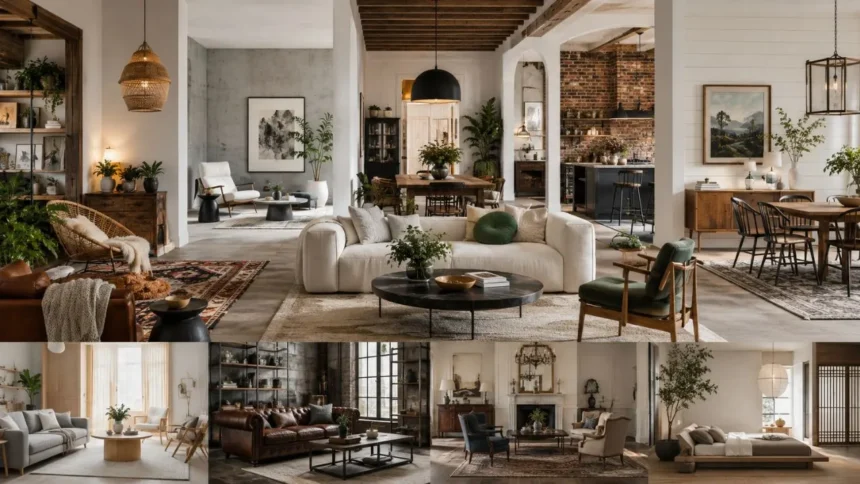
Types of Interior Design Styles: Find the Right Look for Your Home
Understanding the main types of interior design styles makes decorating easier because it gives your ideas a clear direction. Instead of purchasing unrelated furniture, colours, and accessories, you can choose elements that work together and create the atmosphere you want in each room.
An interior design style is a recognisable combination of colours, materials, furniture shapes, decorative details, and design principles. Some styles are linked to historical movements, while others combine older influences with modern lifestyles. You do not need to follow every rule for a room to feel visually consistent.
The best design style should support your daily routine as well as your personal taste. A minimalist room may look peaceful but feel impractical to a collector, while an ornate traditional interior may be difficult for someone who prefers quick cleaning and uncluttered surfaces.
This guide explains 15 popular interior design styles, including modern, contemporary, traditional, Scandinavian, Japandi, farmhouse, coastal, industrial, and bohemian design. You will also learn how to identify your style, combine different aesthetics, decorate affordably, and avoid common design mistakes.
How to Identify Your Style
Begin by collecting photographs of rooms that immediately appeal to you. Save complete interiors rather than isolated products, then look for repeated colours, furniture shapes, materials, and moods. You may notice that most of your preferred rooms contain pale wood, curved seating, dark walls, vintage furniture, or natural fabrics.
Think about how you want your home to feel. Words such as calm, elegant, colourful, dramatic, comfortable, airy, formal, or relaxed can be more useful than choosing a style name immediately. These descriptions reveal the emotional result you want the design to create.
Consider the architecture of your property before selecting furniture and decoration. Original mouldings may naturally complement traditional or transitional design, while exposed brick could support an industrial approach. You can introduce contrast, but recognising the building’s existing character usually leads to more convincing decisions.
Finally, study how you live. Families with children, pets, frequent guests, or limited storage need different materials and layouts from someone designing a formal secondary room. The right home interior design style should remain comfortable and practical after the photographs have been taken.
Modern Interior Design
Modern interior design refers to a defined historical movement rather than anything that simply looks new. It developed through early modernism, Bauhaus ideas, and mid-century design, favouring functional spaces, limited ornament, clean geometry, and materials that reflected modern construction methods.
Modern rooms often use straight lines, uncluttered layouts, smooth surfaces, and furniture with simple silhouettes. Wood, glass, steel, leather, and moulded materials may appear together, while large windows and open arrangements create a stronger connection between indoor and outdoor spaces.
A modern colour scheme usually begins with white, grey, black, beige, or natural wood. Stronger colours can still appear through artwork, upholstery, or individual statement pieces. The goal is not to remove personality but to ensure that every addition has a clear visual or practical purpose.
To create this style, choose a few well-proportioned furniture pieces instead of filling every wall. Limit small decorative objects, use lighting with sculptural shapes, and maintain visible open space. Avoid assuming that modern design must feel cold; wood, textiles, plants, and warmer neutrals can make it comfortable.
Contemporary Interior Design
Contemporary interior design describes what feels current rather than referring to one fixed historical movement. It evolves as tastes, materials, technology, and lifestyles change. Current contemporary rooms often combine clean lines, natural materials, restrained decoration, and selected influences from several other styles.
The difference between contemporary and modern interior design is therefore important. Modern design draws from a defined twentieth-century movement, while contemporary design continues changing. A contemporary home created today may look noticeably different from one designed under the same label several decades ago.
Contemporary rooms commonly use open layouts, neutral foundations, statement lighting, large-scale artwork, curved furniture, and carefully controlled contrast. Black window frames, pale stone, warm wood, textured fabrics, and smooth plaster can create visual interest without requiring excessive pattern or ornament.
Choose contemporary design when you like a current, polished appearance but do not want to follow one historical style strictly. Keep permanent finishes relatively simple, then introduce changing ideas through paint, lighting, rugs, cushions, and artwork that can be replaced without renovating the whole room.
Minimalist Interior Design
Minimalist interior design focuses on essentials, visual clarity, and deliberate use of space. It is often associated with simple furniture, limited colour palettes, concealed storage, and carefully selected decoration. A successful minimalist home feels calm and functional rather than empty or unfinished.
Each item should support the room’s purpose or contribute meaningful visual value. This does not mean owning almost nothing. It means reducing unnecessary duplication, choosing furniture carefully, and creating organised storage so that frequently used objects do not overwhelm visible surfaces.
Minimalist colour schemes often use whites, warm neutrals, greys, or muted natural shades. Texture becomes especially important when colour and pattern are limited. Linen, timber, stone, wool, plaster, and matte ceramics can prevent a simple room from feeling flat or clinical.
Begin by improving organisation before purchasing minimalist furniture. Remove items that no longer serve you, group similar objects, and create storage around real habits. Leave some walls and surfaces undecorated so that artwork, lighting, and quality furniture have enough space to attract attention.
Mid-Century Modern Style
Mid-century modern design developed broadly between the 1930s and 1960s and influenced architecture, furniture, graphics, and product design. Its defining ideas include functional forms, organic influences, clean construction, and furniture designed for changing post-war lifestyles.
Furniture is often easy to recognise through tapered or peg-style legs, low profiles, smooth curves, and combinations of wood with glass, metal, or moulded materials. Sideboards, lounge chairs, compact sofas, and globe-shaped lighting are commonly associated with the style.
Mid-century colour palettes can include walnut brown, olive green, mustard, burnt orange, teal, and muted blue. Softer neutrals and pastel colours can also work well. The style becomes more liveable when iconic-looking pieces are balanced with contemporary textiles and practical modern furniture.
Avoid furnishing the entire room like a historical showroom. Select one or two strong mid-century pieces and combine them with simple modern items, personal artwork, and varied furniture heights. This creates a collected interior rather than a space that looks copied from one period.
Traditional Interior Design
Traditional interior design commonly draws on eighteenth- and nineteenth-century European interiors, particularly English and French influences. Typical features include symmetry, classic furniture shapes, detailed woodwork, layered textiles, darker timber, and familiar patterns such as florals, damask, or plaid.
Furniture may feature carved details, turned legs, upholstered arms, or polished finishes. Bookcases, chandeliers, framed landscapes, decorative mirrors, crown moulding, and substantial curtains can give the room a formal and established character without making it feel like a museum.
Traditional colour schemes range from warm neutrals to deep red, blue, green, and jewel tones. Patterns are often repeated through curtains, cushions, rugs, and upholstery. Symmetrical arrangements, such as matching lamps or chairs, create order and help detailed rooms feel balanced.
To keep traditional interiors fresh, combine inherited or antique-looking pieces with comfortable modern upholstery and simpler accessories. Use historical details selectively rather than covering every surface. A room feels more authentic when it appears to have developed gradually through meaningful additions.
Transitional Interior Design
Transitional design combines traditional forms with modern or contemporary simplicity. It offers a middle ground for people who appreciate classic furniture and architectural detail but prefer lighter palettes, cleaner lines, and less ornament than a fully traditional interior.
A transitional room might pair a traditional wooden table with simple upholstered chairs, or combine wall moulding with contemporary artwork. Furniture usually feels comfortable and substantial, but decorative carving, pattern, and colour are more controlled than they would be in a traditional room.
Warm whites, creams, taupes, greiges, and soft browns are common foundation colours. Interest comes from tone-on-tone fabrics, wood grain, woven rugs, stone, metal, and statement lighting. Curved and straight furniture shapes can be repeated to connect old and new elements.
Choose transitional design when two household members prefer different aesthetics or when you want a look that is unlikely to date quickly. Maintain a consistent colour palette, repeat materials, and avoid placing equal numbers of unrelated traditional and modern pieces without a clear connection.
Scandinavian Interior Design
Scandinavian interior design is influenced by the streamlined aesthetics of Nordic countries such as Sweden, Denmark, and Norway. It combines practical furniture, clean lines, natural materials, and comfortable details to create rooms that feel light, organised, and welcoming.
White and pale neutral walls help reflect natural light, while light or medium-toned wood introduces warmth. Furniture usually has simple shapes and visible craftsmanship. Wool throws, textured rugs, candles, ceramics, and soft lighting prevent the limited palette from feeling severe.
Function is central to the style. Storage is integrated into the room, walkways remain clear, and furniture is chosen for everyday comfort. Decoration is controlled but not absent; plants, prints, handmade objects, and useful household items can provide colour and personality.
To create a Scandinavian interior, begin with a light background and practical wooden furniture. Add layers of soft fabric, warm lamps, and a few natural accents. Avoid reducing the style to white walls alone, because its appeal depends equally on comfort, usefulness, and material quality.
Japandi Interior Design
Japandi blends Japanese and Scandinavian design influences. Both traditions value simplicity, natural materials, craftsmanship, and functional spaces, but their combination usually feels warmer and more organic than highly polished contemporary minimalism.
The colour palette often includes warm white, beige, brown, charcoal, muted green, and earthy clay shades. Pale Scandinavian woods may be combined with darker timber, creating contrast without introducing bright colours. Furniture tends to be low, sculptural, and visually quiet.
Japandi rooms use imperfection and natural variation as part of the design. Handmade ceramics, woven fabrics, textured plaster, visible wood grain, and irregular decorative pieces can make the space feel grounded. Every item should have enough surrounding space to be noticed.
Choose fewer objects and focus on their form, material, and usefulness. Conceal everyday clutter, select restrained window treatments, and use soft pools of light rather than one harsh fixture. Avoid making the interior so empty that it loses comfort or personal meaning.
Industrial Interior Design
Industrial interior design developed from the appearance of converted factories, warehouses, and urban lofts. Exposed brick, visible pipes, concrete, steel, large windows, and open layouts became design features rather than elements that needed to be hidden.
Industrial furniture often combines reclaimed-looking timber with dark metal. Leather seating, factory-style lighting, open shelving, black-framed glass, and large-scale artwork can support the aesthetic. The forms are usually practical, sturdy, and free from delicate decoration.
Because concrete, metal, and dark colours can make a room feel cold, softer materials are important. Rugs, curtains, cushions, plants, upholstered furniture, and warm wood create contrast. Good lighting is also essential, particularly in rooms with dark walls or limited natural light.
You do not need an actual loft to use industrial design. Introduce selected features such as metal shelving, a brick surface, simple pendant lights, or a wood-and-steel table. Avoid adding fake distressing to every object, as too many themed details can make the room feel artificial.
Farmhouse Interior Design
Farmhouse interior design is inspired by practical rural homes, where durable furniture, natural materials, and useful objects developed character through everyday use. Traditional farmhouse rooms often include weathered wood, stone, brick, vintage lighting, large tables, and comfortable textiles.
Modern farmhouse design updates the concept with brighter colours, cleaner furniture, and less visible wear. White or warm neutral walls, wooden beams, simple cabinetry, woven baskets, black metal accents, and relaxed upholstery create a balance between rustic warmth and modern function.
The most convincing farmhouse rooms use authentic-looking materials rather than excessive themed signs or decorative objects. A solid wood table, vintage cabinet, linen curtain, handmade pottery, or aged metal light may communicate the style more effectively than numerous small accessories.
Use farmhouse design when you want a welcoming, informal home that can handle everyday activity. Mix old and new pieces, keep surfaces practical, and choose materials that age gracefully. Avoid covering every wall with shiplap or relying entirely on white and black contrast.
Rustic Interior Design
Rustic interior design celebrates natural materials, aged finishes, and a relaxed connection to the landscape. Wood panelling, exposed beams, stone fireplaces, antique furniture, worn leather, and aged metal are commonly associated with this warm and unpretentious style.
Colours usually reflect nature, including brown, tan, cream, forest green, rust, and charcoal. Materials are allowed to show knots, grain, uneven texture, and signs of use. These imperfections help rustic interiors feel grounded rather than highly manufactured.
Rustic design overlaps with farmhouse, lodge, and country styles, but it generally places stronger emphasis on raw materials and substantial construction. Furniture may be heavier, finishes darker, and architectural elements more visually dominant than in a light modern farmhouse interior.
Balance rough surfaces with comfort. Add upholstered seating, thick rugs, warm lighting, and soft window treatments so the space does not feel hard or dark. In a smaller home, use rustic elements as accents rather than filling every room with oversized timber furniture.
Coastal Interior Design
Coastal interior design creates a light, relaxed atmosphere inspired by beaches and seaside landscapes. Typical colours include white, sandy beige, pale grey, soft blue, and muted green. Natural light, breathable fabrics, weathered wood, and woven materials reinforce the airy appearance.
The style does not require literal nautical decoration. Shells, anchors, ropes, and boat images can make a room feel themed when used excessively. A more timeless coastal interior suggests the landscape through colour, light, texture, and informal furniture.
Linen and cotton curtains, rattan chairs, jute rugs, pale timber, ceramic lamps, and slipcovered sofas work naturally within coastal rooms. Furniture arrangements should feel open and easy to move through, while windows should remain as unobstructed as privacy allows.
Coastal style can work far from the sea because its appeal comes from brightness and simplicity. Choose a limited ocean-inspired palette, introduce natural textures, and leave enough open space. Add darker accents sparingly to prevent the pale room from appearing washed out.
Bohemian Interior Design
The bohemian interior design style takes a relaxed, individual approach to colour, pattern, furniture, and art. Modern boho rooms may be neutral and nature focused or highly colourful, but they commonly combine plants, woven materials, collected objects, and influences from different periods.
Layering is one of the style’s most recognisable techniques. Rugs may overlap, cushions can display several patterns, and vintage furniture can sit beside handmade or contemporary pieces. The result should feel personal and informal rather than carefully matched.
A neutral bohemian room may use cream walls, pale wood, rattan, jute, linen, and abundant greenery. A more expressive version can include saturated colours, embroidered textiles, patterned wallpaper, painted furniture, and large collections of books or artwork.
Start with a calm foundation, then add meaningful layers gradually. Repeat two or three colours so that different patterns remain connected, and vary the scale of prints. Avoid purchasing unrelated “boho” accessories simply to fill space, because authenticity comes from personal objects and thoughtful combinations.
Eclectic and Maximalist Styles
Eclectic design combines furniture, art, and decoration from different periods or styles. The room may appear informal and rule-breaking, but successful eclectic interiors still use repeated colours, balanced proportions, and visual relationships to connect their varied elements.
Maximalist design goes further by embracing abundance, strong colour, layered pattern, decorative collections, and dramatic contrast. It is often described as the opposite of minimalism, yet it should still provide practical walkways, useful surfaces, and areas where the eye can rest.
The main difference is intensity. An eclectic room may mix a vintage chair, modern sofa, and traditional rug within a restrained palette, while a maximalist room may combine patterned walls, colourful furniture, layered art, and numerous displayed objects.
To manage either style, choose one dominant colour family or recurring material. Group collections instead of scattering them randomly, and vary object heights and sizes. Edit anything that adds clutter without improving function, meaning, or the overall composition.
Art Deco Interior Design
Art Deco emerged during the 1920s and became associated with glamour, geometry, craftsmanship, and technological optimism. Interiors often include symmetrical shapes, stylised curves, polished surfaces, strong contrast, atmospheric lighting, and luxurious materials such as marble, velvet, brass, or chrome.
Common patterns include fans, sunbursts, arches, zigzags, and stepped forms. Furniture can combine rounded upholstery with sharply defined cabinets or tables. Mirrored finishes and metallic accents reflect light and strengthen the dramatic, sophisticated character of the room.
Deep green, navy, burgundy, black, cream, and jewel tones work well within an Art Deco palette. A monochrome room can also communicate the style through geometric flooring, fluted surfaces, brass lighting, and rich texture rather than intense colour.
Use Art Deco selectively in an ordinary home. A curved sofa, geometric mirror, statement chandelier, or patterned rug may be enough to establish the look. Too many shiny finishes and bold motifs can make the room feel theatrical rather than elegant.
Mediterranean Interior Design
Mediterranean interior design draws inspiration from countries surrounding the Mediterranean Sea, particularly Greece, Spain, and Italy. It emphasises natural materials, indoor-outdoor connection, textured surfaces, arched forms, and colours influenced by earth, stone, sea, and sunlight.
White or warm plaster walls may be combined with terracotta, timber, stone, wrought iron, and handmade tile. Furniture often has simple, substantial forms, while linen, cotton, ceramics, woven baskets, and greenery add softness and everyday character.
Mediterranean palettes can include chalky white, sand, ochre, rust, olive, cobalt, and deep blue. Greek-inspired interiors often appear brighter and cooler, while Spanish and Italian influences may use warmer earth tones, darker wood, and more visible pattern.
Focus on texture rather than filling the room with themed accessories. Use warm uneven finishes, handcrafted pieces, soft curtains, and natural furniture. Plants such as herbs, citrus, or olive-like greenery can strengthen the connection to outdoor living when conditions allow.
Choose the Right Design Style
Begin with the room you use most frequently. Identify three words describing how it should feel, then compare those words with the styles in this guide. Calm and natural may suggest Scandinavian or Japandi, while colourful and collected may point toward bohemian or eclectic design.
Review what you already own before selecting a completely new aesthetic. An existing wooden dining set may work in traditional, farmhouse, rustic, or transitional rooms depending on the surrounding colours and lighting. Reusing suitable pieces can save money and make the finished home feel more personal.
Consider maintenance as carefully as appearance. Open shelving, pale fabrics, detailed mouldings, and numerous decorative objects require different levels of cleaning and care. Choose finishes that suit children, pets, sunlight, humidity, and the amount of time you want to spend maintaining the space.
You do not need to assign one style to the entire property. Related styles can appear in different rooms when colour, flooring, trim, or materials connect them. The aim is visual continuity rather than exact repetition throughout every area.
Mix Different Styles
Most lived-in homes contain more than one design influence. Combining styles allows inherited furniture, personal collections, architectural details, and contemporary needs to exist together. Transitional, eclectic, Japandi, and modern farmhouse interiors are all examples of styles created through thoughtful blending.
Begin with one dominant style that controls approximately three-quarters of the major decisions. Use a second style through smaller furniture, lighting, artwork, or textiles. This approach prevents the room from feeling divided equally between two unrelated themes.
Connect contrasting pieces through colour, shape, or material. A traditional chair can work beside a modern sofa when both share similar upholstery, while an industrial table can suit a coastal room when its timber relates to other natural surfaces.
Avoid introducing too many visual directions simultaneously. Edit the design until each item appears intentional, and repeat important details in several places. A mixed-style home should feel collected over time rather than assembled from separate showroom displays.
Decorate on a Budget
Establish your style before buying inexpensive accessories. Small purchases can quickly consume a budget while leaving the room without suitable lighting, storage, or furniture. Prioritise foundational pieces that affect comfort and daily function, then add decoration gradually.
Paint is one of the most effective ways to create a new direction. Warm white can support Scandinavian, coastal, or farmhouse interiors, while a darker wall may suit traditional, Art Deco, industrial, or maximalist rooms. Test samples under daytime and evening lighting before committing.
Second-hand furniture is particularly useful for mid-century, traditional, rustic, farmhouse, bohemian, and eclectic styles. Look beyond the current finish and consider whether cleaning, painting, refinishing, new hardware, or fresh upholstery could give the item a more suitable appearance.
Move artwork, rugs, lamps, and furniture between rooms before purchasing replacements. Removing excess objects can also reveal a stronger design. A clear layout and consistent palette often improve a room more than adding numerous low-cost decorative products.
Mistakes to Avoid
Do not copy a room photograph without considering your property, climate, budget, and lifestyle. A design that works in a large professionally photographed room may become crowded or impractical in a smaller home. Use inspiration as guidance rather than as a strict shopping list.
Avoid buying every item from one matching furniture collection. Although coordinated sets are convenient, they can make the room feel flat and impersonal. Combine compatible pieces with varied shapes, finishes, and ages to create greater depth.
Do not confuse decoration with design. Furniture placement, lighting, storage, proportion, and movement should be addressed before accessories. A beautiful vase cannot correct a sofa that blocks a doorway or a dining table that is too large for comfortable use.
Finally, avoid following a trend that conflicts with your real preferences. Contemporary ideas can refresh a room, but permanent renovations should reflect how you expect to live for several years. Introduce experimental colours and patterns through easily changed surfaces first.
Conclusion: Build a Style That Feels Personal
The many types of interior design styles provide useful frameworks for making decisions, but they are not rigid rules. Modern, traditional, coastal, industrial, bohemian, and other aesthetics can all be adapted according to your home, budget, and personal history.
Start by identifying the mood, colours, and materials you consistently prefer. Choose a dominant direction, improve the room’s function, and purchase major furniture according to scale and comfort. Decorative details should strengthen those decisions rather than distract from them.
Allow the design to develop gradually. Homes become more convincing when they contain objects with meaning, furniture from different periods, and practical solutions shaped by everyday life. Editing and rearranging are as important as purchasing new items.
The best result is not a perfect copy of one labelled style. It is a comfortable, useful, and visually connected home that reflects the people living there. Use style names to clarify your choices, then adjust them until the space genuinely feels like your own.
Frequently Asked Questions
What are the most popular types of interior design styles?
Popular styles include modern, contemporary, minimalist, traditional, transitional, Scandinavian, Japandi, industrial, farmhouse, coastal, bohemian, mid-century modern, Art Deco, and Mediterranean design.
What is the difference between modern and contemporary design?
Modern design refers to an established twentieth-century movement with clean lines and functional forms. Contemporary design describes what feels current and continues evolving as new materials and trends appear.
Can I mix two interior design styles?
Yes. Choose one dominant style and use the second through smaller furniture, lighting, artwork, or textiles. Repeating colours and materials will help the different influences feel connected.
Which interior design style is best for a small home?
Minimalist, Scandinavian, Japandi, and modern styles work well because they prioritise function, clear layouts, and controlled decoration. However, any style can suit a small space when furniture is correctly scaled.
How do I know my interior design style?
Save images of rooms you like and look for repeated colours, furniture shapes, materials, and moods. Compare those patterns with style definitions, then consider which approach best supports your lifestyle and property.