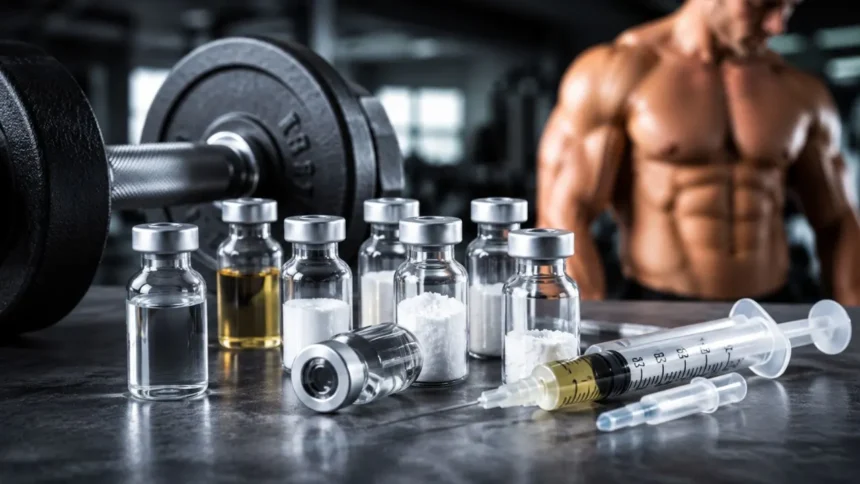
Muscle Building Peptides: Benefits, Risks and Results
Muscle-building peptides are promoted as compounds that can increase lean muscle mass, improve workout recovery and support fat loss. They are especially popular in bodybuilding, anti-aging and wellness communities. However, the term covers several very different substances with different mechanisms, evidence levels and potential health risks.
Some peptides stimulate the release of growth hormone, while others imitate growth factors or are marketed for tissue repair. Many products sold as peptide therapy have not been approved as medicines for building muscle. Their purity, strength and safety may also be uncertain when purchased through unregulated websites or informal suppliers.
A rise in growth hormone or insulin-like growth factor 1 does not automatically produce larger, stronger muscles. Some research has found increases in fat-free mass without meaningful improvements in strength or physical function. Fat-free mass can also include water, connective tissue and other non-fat components rather than new contractile muscle alone.
This guide explains how popular muscle growth peptides are claimed to work, what the research actually suggests and which risks users should understand. It does not provide peptide cycles, dosages or injection instructions because these experimental products require professional medical assessment and may be prohibited for competitive athletes.
What Are Peptides?
Peptides are short chains of amino acids, which are the building blocks used to create proteins. The human body naturally produces thousands of peptides that act as hormones, signaling molecules, enzymes and parts of the immune system. Their effects depend on their amino acid sequence and the receptors they activate.
Some approved medicines are also peptides. Examples include certain forms of insulin, fertility medicines and treatments for specific hormonal conditions. The fact that an approved drug is a peptide does not mean every laboratory-made peptide is medically accepted, safe or suitable for unsupervised use.
Products marketed as bodybuilding peptides are often designed to influence growth hormone, IGF-1, tissue repair or muscle-related signaling pathways. Common names include CJC-1295, ipamorelin, GHRP-2, GHRP-6, BPC-157, TB-500 and PEG-MGF. These substances are not interchangeable and should not be discussed as one treatment.
Some compounds grouped with peptides are not peptides at all. Ibutamoren, commonly called MK-677, is an oral growth hormone secretagogue but has a non-peptide chemical structure. Marketing frequently places it in the same category because it acts on a similar hormonal pathway.
Why Are Peptides Marketed for Muscle Growth?
Muscle protein growth depends partly on mechanical tension, amino acid availability, hormones and recovery. Peptide sellers focus on these biological pathways when promoting products for hypertrophy. They may claim that increasing growth hormone or IGF-1 creates an environment that helps the body build muscle faster.
These claims can sound convincing because growth hormone and IGF-1 have genuine roles in growth, tissue maintenance and metabolism. People with clinically diagnosed hormone deficiencies may experience improvements when receiving properly approved replacement treatment. That does not mean raising these hormones above normal levels benefits a healthy athlete.
Advertisements also use scientific terms such as protein synthesis, nitrogen retention, cellular repair and fat oxidation. A proposed mechanism is not the same as proof that a product produces meaningful results in people. Controlled human trials must confirm whether the benefits outweigh the risks.
Before-and-after photographs and personal testimonials provide weak evidence. Users may simultaneously change their training, diet, sleep, supplements or anabolic drug use. Without a controlled comparison, it is impossible to know whether a peptide caused the reported transformation.
How Muscle-Building Peptides Are Claimed to Work
Growth hormone-releasing peptides are designed to stimulate the pituitary gland to release additional growth hormone. This may then increase circulating IGF-1, which participates in growth and tissue signaling. Examples promoted through this pathway include ipamorelin, GHRP-2 and GHRP-6.
Growth hormone-releasing hormone analogues act through a related but different receptor. CJC-1295, sermorelin and tesamorelin are commonly placed in this group. Some sellers combine a GHRH analogue with a growth hormone secretagogue in an attempt to create a stronger hormonal response.
Other compounds are promoted as direct growth factors or muscle-signaling agents. These include IGF-1 analogues, PEG-MGF and follistatin-related products. Such substances may interact with pathways involved in cell growth, muscle repair or myostatin activity, but reliable evidence in healthy users is extremely limited.
Recovery peptides such as BPC-157 and TB-500 are marketed differently. They are promoted for tendon, ligament and muscle healing rather than direct hypertrophy. Even if a product supported injury recovery, that would not automatically make it a muscle-building treatment.
Growth Hormone and Muscle Development
Growth hormone supports normal childhood growth and has important metabolic functions throughout adulthood. It influences fat metabolism, fluid balance and the production of IGF-1. Adults with true growth hormone deficiency may have altered body composition and can benefit from medically supervised replacement therapy.
Healthy adults are different from patients with a diagnosed deficiency. Raising growth hormone beyond normal physiological needs may increase fluid retention and certain measures of lean mass. These changes do not consistently translate into greater strength, power or athletic performance.
Muscle growth from resistance training is driven primarily by progressive overload, adequate dietary protein, sufficient calories and recovery. Growth hormone contributes more strongly to connective-tissue and collagen-related processes than many advertisements suggest. It is not a simple switch that turns ordinary workouts into rapid hypertrophy.
Excessive or prolonged growth hormone activity can produce unwanted effects throughout the body. These may include swelling, joint discomfort, nerve compression, changes in blood glucose and enlargement of certain tissues. More hormonal stimulation does not always mean better physical results.
CJC-1295
CJC-1295 is a synthetic analogue of growth hormone-releasing hormone. It was developed to produce a longer-lasting increase in growth hormone and IGF-1 than natural GHRH. It is commonly advertised for muscle growth, recovery, sleep improvement, fat reduction and anti-aging.
Small early studies showed that certain forms of CJC-1295 could increase growth hormone and IGF-1 levels. However, demonstrating a hormonal response is not the same as demonstrating increased muscle strength, improved athletic performance or safe long-term use.
Different products may be labeled CJC-1295 with DAC, without DAC or modified GRF. These names are sometimes used inconsistently by clinics and online suppliers. Differences in chemical structure and duration make it risky to assume that studies of one form apply to every product carrying the name.
Available clinical evidence is limited, and significant questions remain about long-term safety. Reported concerns include injection reactions, increased heart rate, systemic vasodilation, immune reactions and peptide-related impurities. It is not an approved general treatment for gaining muscle.
Ipamorelin
Ipamorelin is a synthetic peptide that activates the ghrelin receptor and stimulates growth hormone release. It is commonly marketed as a selective growth hormone secretagogue. Sellers often claim it causes fewer effects on appetite, cortisol or prolactin than older GHRPs.
Human evidence supporting ipamorelin for muscle building is inadequate. Research has primarily investigated hormonal responses or medical uses unrelated to bodybuilding. There are no strong long-term trials establishing that it safely increases strength or meaningful skeletal muscle in healthy adults.
Ipamorelin is frequently combined with CJC-1295 in commercial peptide programs. The theory is that one compound supports growth hormone production while the other triggers its release. The popularity of this combination is not proof that the mixture has been adequately tested.
Potential concerns include hormonal disruption, fluid retention, changes in glucose regulation, injection reactions and immune responses. Product quality is another issue because many versions are compounded or sold as research chemicals without the safeguards applied to approved medicines.
GHRP-2 and GHRP-6
GHRP-2 and GHRP-6 are growth hormone-releasing peptides that stimulate the ghrelin receptor. They can increase growth hormone secretion, although their effects are not limited to muscle tissue. GHRP-6 is also known for potentially increasing hunger in some users.
These peptides are marketed for muscle growth, faster recovery and improved body composition. Evidence of increased growth hormone is sometimes presented as proof that these outcomes will occur. Direct evidence of meaningful bodybuilding results in healthy adults remains insufficient.
Potential adverse effects include increased appetite, water retention, tingling, headaches and altered blood sugar control. Some growth hormone secretagogues may also affect cortisol or prolactin. Individual responses can differ, especially when products are combined with other hormones or performance-enhancing drugs.
Injectable and nasal products may create additional risks related to immune reactions, impurities and inconsistent strength. Because these compounds are prohibited in tested sport, athletes can also face sanctions even when a product is supplied by a wellness clinic.
Sermorelin
Sermorelin is an analogue of a portion of growth hormone-releasing hormone. It stimulates the pituitary gland rather than supplying growth hormone directly. It is often promoted through anti-aging and hormone clinics as a more natural way to support the body’s own hormone production.
Marketing claims commonly include improved sleep, recovery, fat metabolism, energy and lean muscle. Evidence for these broad benefits in healthy adults is limited. A rise in hormone levels does not guarantee that users will notice better strength, body composition or daily function.
Sermorelin has a history of medical development, but its current availability through compounding does not make every promoted use established or approved. A clinician should distinguish between treating a documented endocrine disorder and offering an experimental performance or anti-aging intervention.
Possible side effects include injection-site irritation, flushing, headache, dizziness and changes associated with higher growth hormone activity. Anyone with unexplained pituitary symptoms, active cancer concerns or significant metabolic disease needs careful evaluation before considering hormone-related treatment.
Tesamorelin
Tesamorelin is a growth hormone-releasing hormone analogue with an approved medical indication. It is used to reduce excess abdominal fat in certain adults with HIV-associated lipodystrophy. This narrow approval is not an approval for bodybuilding, general obesity or age-related muscle loss.
Clinical trials have shown changes in visceral abdominal fat among the intended patient group. These findings are sometimes taken out of context by peptide sellers. Results in people with HIV-associated lipodystrophy cannot automatically be applied to healthy gym users.
Tesamorelin can raise IGF-1 and affect glucose regulation. It may cause injection-site reactions, swelling, muscle discomfort and joint pain. Medical labeling also includes precautions related to malignancy, pituitary function, pregnancy and glucose intolerance.
Using an approved drug outside its intended population can create risks without established benefits. Athletes should also know that tesamorelin is prohibited under anti-doping rules. A legitimate prescription does not automatically prevent an anti-doping violation.
BPC-157
BPC-157 is an experimental peptide promoted for the healing of muscles, tendons, ligaments, joints and the digestive system. Much of its reputation comes from animal and laboratory research rather than high-quality human clinical trials.
Because injuries can limit training, BPC-157 is often indirectly marketed as a muscle-building peptide. The claim is that faster recovery allows users to return to exercise sooner. There is insufficient human evidence showing that it safely accelerates injury healing or builds additional muscle.
The long-term effects of BPC-157 in humans are unknown. Concerns include immune reactions, peptide aggregation, impurities and uncertainty about how it may affect blood-vessel or growth-related pathways. Lack of reported harm should not be confused with proof of safety.
BPC-157 is not approved as a medicine for muscle recovery or athletic performance. Products sold online may be labeled for research use while being marketed to consumers. Competitive athletes should also recognize that it is prohibited as a non-approved substance.
TB-500
TB-500 is commonly described as a synthetic fragment related to thymosin beta-4. It is promoted for tissue repair, flexibility, reduced inflammation and recovery from tendon or muscle injuries. Most performance claims are not supported by controlled human research.
Thymosin beta-4 participates in biological processes involving cell movement and wound repair. However, findings involving the natural protein or laboratory models do not confirm that commercial TB-500 injections heal sports injuries safely in people.
Human exposure information for products marketed as TB-500 is limited. Potential concerns include immune reactions, contamination, incorrect identity and unknown effects on cell-growth pathways. Combining it with BPC-157 does not solve these uncertainties.
Anyone with a torn tendon, persistent muscle injury or joint pain needs an accurate diagnosis. Rest, rehabilitation, load management and established medical treatments are safer starting points than using an experimental injection to hide pain and continue training.
IGF-1 and IGF-1 LR3
Insulin-like growth factor 1 is a hormone involved in normal growth, tissue development and metabolism. Most circulating IGF-1 is produced by the liver in response to growth hormone. It also acts locally within tissues through complex regulatory pathways.
Synthetic IGF-1 medicines have limited approved uses for specific childhood growth disorders. These indications do not include bodybuilding or improving athletic performance in healthy adults. Medical IGF-1 treatment requires careful monitoring because serious adverse effects can occur.
IGF-1 LR3 is a modified analogue marketed through research-chemical channels. Sellers claim it has a longer activity and stronger muscle-building effect than natural IGF-1. Reliable safety and effectiveness data for recreational muscle growth are lacking.
Potential risks of excessive IGF-1 activity include dangerously low blood sugar, swelling, headaches and unwanted tissue growth. Growth signaling may also be concerning for people with existing or suspected tumors. These products should not be treated as ordinary fitness supplements.
PEG-MGF and Mechano Growth Factor
Mechano growth factor is a term used for a locally produced IGF-1-related splice variant associated with mechanical stress in muscle. It has attracted bodybuilding interest because of its proposed role in tissue repair and adaptation following exercise.
PEG-MGF refers to a pegylated product designed to remain active longer. Online sellers claim it increases muscle-cell growth, recovery and hypertrophy. These claims are primarily based on theory, animal research or indirect laboratory findings.
Reliable human exposure and safety data for commercial PEG-MGF products are extremely limited. It is unclear whether substances sold under this name contain the stated compound, remain stable during storage or produce predictable biological effects.
Manipulating a powerful growth-signaling pathway without adequate research creates substantial uncertainty. Potential risks include immune reactions, abnormal cell signaling, contamination and unexpected systemic effects. It is prohibited for athletes under rules covering growth factors and related substances.
Follistatin and Myostatin-Related Peptides
Myostatin is a protein that limits muscle growth. Rare genetic changes that reduce myostatin activity can produce unusually high muscularity, which has encouraged interest in myostatin-blocking drugs and follistatin-related products.
Follistatin binds to several members of the transforming growth factor family, including proteins connected with muscle regulation. Online suppliers may market follistatin peptides or gene-related products as powerful muscle-building agents.
Blocking myostatin is more complex than simply removing a brake from muscle. These pathways also participate in reproductive, metabolic and tissue functions. Experimental therapies require extensive testing to determine whether increased mass translates into safe, functional muscle.
Commercial follistatin products sold for self-use lack dependable evidence and quality assurance. Unknown purity, immune reactions and wider effects on organs or connective tissues are serious concerns. Competitive athletes should also know that myostatin inhibitors are prohibited.
Do Peptides Really Increase Muscle Mass?
Some substances that stimulate the growth hormone pathway can increase measured fat-free mass in selected studies. However, an increase on a body-composition scan does not always mean the user has gained an equal amount of functional skeletal muscle.
Growth hormone activity can increase body water and connective tissue, both of which contribute to fat-free mass. A user may therefore appear heavier or leaner without developing a proportional improvement in strength, power or exercise performance.
Studies in older adults have found that growth hormone secretagogues can raise IGF-1 and modestly change fat-free mass. Yet improvements in strength and physical function have often been absent, inconsistent or insufficiently studied.
There is even less dependable evidence for unapproved combinations used by healthy bodybuilders. Claims of rapid muscle growth usually rely on anecdotes, uncontrolled clinic data or results confounded by anabolic steroids, intense training and major dietary changes.
Peptides and Muscle Strength
Muscle size and strength are related, but they are not identical. Strength also depends on nervous-system adaptations, lifting technique, tendon function, muscle architecture and training specificity. A substance that changes lean mass may not improve any of these factors.
Resistance training reliably improves strength because the body adapts to progressively heavier or more difficult movements. A peptide cannot replace repeated exposure to an appropriate training stimulus. Increased hormones without effective training may produce little useful athletic improvement.
Some users report better gym performance while taking peptides. These changes may come from increased body weight, fluid retention, placebo effects, improved sleep routines or simultaneous use of other drugs. Personal experience cannot identify the cause with confidence.
The most meaningful result is not simply a higher scale weight or body-composition number. Functional outcomes such as stronger lifts, improved mobility and maintained health matter more. Current peptide evidence frequently falls short when judged by these standards.
Peptides and Workout Recovery
Recovery includes repairing damaged tissue, restoring energy, adapting to training and managing fatigue. Sleep, calorie intake, protein, carbohydrates, hydration and sensible program design are its main foundations. No peptide can compensate fully for poor recovery habits.
Growth hormone-related compounds may influence collagen or fluid balance, leading some people to report reduced soreness. Less soreness does not necessarily mean that muscle tissue has recovered more completely or that it is safe to train an injured area.
Pain suppression or a temporary improvement in comfort can encourage premature return to heavy exercise. This may worsen a tendon tear, stress injury or joint problem. Proper rehabilitation uses progressive loading and objective functional milestones rather than symptoms alone.
Experimental recovery peptides remain inadequately studied in humans. A sports medicine clinician or physiotherapist can identify whether pain is caused by overuse, technique, insufficient recovery or structural injury. Correct diagnosis is more valuable than masking the warning signal.
Peptides and Fat Loss
Growth hormone affects fat metabolism, so peptides that stimulate this pathway are frequently promoted for body recomposition. Some medically studied compounds have reduced specific fat deposits in particular patient populations. That does not establish broad fat-loss effectiveness in healthy adults.
Body-fat reduction still depends heavily on sustained energy balance. A peptide may raise a hormone level without producing a meaningful calorie deficit. Users who lose fat may also be eating differently, increasing activity or taking additional substances.
Water retention can make progress difficult to interpret. A person may lose some fat while gaining extracellular fluid, causing scale weight and appearance to change unpredictably. Short-term photographs are therefore unreliable measures of a drug’s metabolic effect.
Peptides should not be viewed as substitutes for nutrition or approved obesity care. People seeking significant fat loss may benefit from structured dietary support, resistance training, medical screening and evidence-based weight-management treatments when appropriate.
How Long Do Peptide Results Take?
There is no reliable universal timeline for muscle-building peptide results. Different products act through different pathways, and many have never been adequately tested for this purpose. Timelines promoted by sellers are often based on testimonials rather than controlled evidence.
Early changes in scale weight may reflect water retention, glycogen storage or increased food intake. These changes can occur more quickly than true muscle hypertrophy. Meaningful new muscle requires repeated training and sufficient recovery over many weeks and months.
A temporary rise in growth hormone or IGF-1 can be measured in blood before visible body-composition changes occur. A changed laboratory value is not itself a successful outcome. Hormone levels must be interpreted alongside symptoms, health risks and functional results.
Promises of dramatic muscle gain within a few weeks should be treated cautiously. Natural training adaptations, measurement errors and undisclosed anabolic-drug use can distort reported outcomes. Reliable treatments require realistic expectations rather than guaranteed transformations.
Common Side Effects of Muscle-Building Peptides
Side effects vary according to the peptide, dose, route, product quality and substances used alongside it. Frequently reported concerns with growth hormone-related compounds include swelling, joint discomfort, headaches, tingling and injection-site reactions.
Some people experience increased hunger, fatigue, flushing or changes in sleep. Fluid retention can contribute to stiffness and nerve compression symptoms. These effects may interfere with training even when users expect improved performance.
Growth hormone secretagogues may affect insulin sensitivity and blood glucose. This is especially concerning for people with prediabetes, diabetes, obesity or a family history of metabolic disease. A user may develop adverse changes before noticing obvious symptoms.
Allergic or immune reactions are possible because peptides can aggregate, degrade or contain impurities. Hives, facial swelling, difficulty breathing, faintness or rapidly worsening symptoms require emergency medical attention.
Serious Health Risks
Manipulating the growth hormone and IGF-1 pathway can affect more than skeletal muscle. These hormones influence the heart, nerves, joints, glucose metabolism and many tissues. Long-term consequences of experimental combinations remain uncertain.
High growth hormone activity may contribute to edema, carpal tunnel symptoms, joint pain and worsening insulin resistance. Certain secretagogues have also raised concerns about heart failure or cardiovascular reactions in particular studies and patient groups.
Growth-related pathways require special caution in people with active or previous malignancy. This does not mean every peptide causes cancer, but stimulating cell-growth signals without adequate safety data is not appropriate for someone with unresolved cancer risk.
Severe headache, chest pain, fainting, breathing difficulty, major swelling, vision changes or symptoms of very low blood sugar require urgent evaluation. Users should not assume that serious symptoms are a normal adjustment to peptide therapy.
Injection and Product-Quality Risks
Injecting any product breaks the skin barrier and creates a potential route for infection. Poor technique, reused equipment or contaminated vials can cause cellulitis, abscesses and potentially life-threatening bloodstream infections.
Unregulated products may contain too much, too little or none of the stated ingredient. They may also contain degradation products, bacteria, endotoxins or unrelated drugs. A professional-looking label does not confirm pharmaceutical quality.
Peptides can be chemically delicate and may break down when manufactured, transported or stored incorrectly. Degradation can reduce activity or create impurities capable of triggering immune responses. Consumers generally cannot evaluate this quality at home.
Products labeled “research use only” are not made safe for personal injection by online reviews or laboratory certificates supplied by the seller. Avoid buying injectable compounds through social media, bodybuilding forums or websites that do not require legitimate medical oversight.
Are Muscle-Building Peptides FDA-Approved?
There is no broad FDA approval for using popular peptide combinations to increase muscle in healthy adults. CJC-1295, ipamorelin, BPC-157, TB-500 and PEG-MGF are not approved bodybuilding treatments.
Some peptide medicines have specific approved indications. Tesamorelin is used for excess abdominal fat in selected adults with HIV-associated lipodystrophy, while mecasermin treats certain severe childhood growth disorders. These approvals do not extend to recreational muscle gain.
Compounded medications are also not FDA-approved. The FDA does not verify their safety, effectiveness or quality before they are marketed. Compounding can serve genuine patient needs, but it should not be used to make an unproven wellness product appear officially approved.
Terms such as pharmaceutical grade, medical peptide or bioidentical do not establish approval. Consumers should ask for the exact product name, indication and regulatory status rather than relying on language used in clinic advertising.
Are Peptides Legal?
The legal status of a peptide depends on the country, product and intended use. A compound may be legal for laboratory research while being unlawful to sell as a dietary supplement or unapproved medicine for human use.
Receiving a product from a clinic does not automatically mean its promoted purpose is approved. Some clinicians prescribe or compound medicines outside approved indications, but the evidence and regulatory circumstances still need to be explained honestly.
Importing research peptides can create additional legal and quality risks. Packages may be seized, mislabeled or supplied without reliable manufacturing information. Buyers may have little recourse when a product is contaminated or falsely represented.
Laws can change, so users should check current national regulations and seek qualified legal or medical guidance. Legality should also be separated from safety; a product can remain risky even when possession is not specifically prohibited.
Are Muscle Peptides Banned in Sports?
The 2026 World Anti-Doping Agency Prohibited List bans growth hormone, IGF-1, growth hormone-releasing factors, secretagogues and many related peptides at all times. This applies during training as well as competition.
CJC-1295, ipamorelin, GHRP-2, GHRP-6 and tesamorelin fall within prohibited hormone-related categories. TB-500 and several growth factors are also prohibited, while BPC-157 is prohibited as a non-approved substance.
Athletes are responsible for substances found in their bodies, even when a coach, clinic or supplement seller provided the product. Contamination, poor labeling and misleading medical claims do not reliably prevent a sanction.
An athlete who needs a prohibited medicine for a legitimate condition may require a therapeutic use exemption. This process must be completed according to the relevant anti-doping organization’s rules. A prescription alone may not be enough.
Who Should Avoid Muscle-Building Peptides?
People who are pregnant, breastfeeding or attempting conception should avoid experimental muscle-building peptides unless receiving an approved treatment from an appropriate specialist. Reproductive safety information is often missing.
Individuals with diabetes, prediabetes, heart disease, kidney disease, liver disease or significant swelling require particular caution. Hormonal changes and fluid retention may worsen existing conditions or complicate medication management.
Anyone with active cancer, a history of certain tumors or unexplained lumps should not use growth-promoting compounds without specialist advice. People with pituitary disorders also need proper endocrine evaluation rather than self-directed hormone manipulation.
Teenagers and young adults should not use experimental peptides to speed up normal muscle development. Their hormonal systems are still developing, and social pressure or body-image concerns can lead to escalating drug use with long-term consequences.
Questions to Ask a Peptide Clinic
Ask for the exact generic name and chemical form of every ingredient. A clinic should not hide behind terms such as recovery blend, growth stack or performance peptide. You should know precisely what is entering your body.
Request a clear explanation of the approved indication, evidence and expected benefit. Ask whether controlled human trials have tested the exact product for your goal. Research on a related hormone should not be presented as proof for the offered mixture.
Ask where the drug is manufactured or compounded and which authority regulates the facility. The provider should explain sterility testing, storage, expiration and procedures for reporting an adverse reaction.
Discuss the full cost, monitoring plan and stopping criteria before beginning. A responsible professional should not require a large prepaid package or guarantee a certain amount of muscle gain. They should also be willing to recommend against treatment when risks outweigh uncertain benefits.
Warning Signs of an Unsafe Peptide Seller
Avoid sellers who advertise peptides as completely safe because they are natural or identical to substances found in the body. Laboratory-made analogues can have altered potency, duration and tissue effects.
Be cautious when no prescription, medical history or laboratory review is required. Injectable hormone-related products should not be sold in the same way as protein powder or ordinary vitamins.
Another warning sign is the use of research-only labeling alongside detailed bodybuilding promises. This allows a seller to market a product for human use while attempting to avoid responsibility for its safety.
Guaranteed transformations, secret stacks and pressure to combine several peptides are also concerning. The more experimental products used simultaneously, the harder it becomes to predict interactions or identify the cause of an adverse effect.
Safer and Proven Ways to Build Muscle
Progressive resistance training is the most reliable foundation for gaining muscle. Exercises should gradually become more demanding through additional weight, repetitions, sets or improved technique. A program must also allow enough recovery between challenging sessions.
Protein provides amino acids needed for muscle repair and growth. Most people can meet their needs through meals containing dairy, eggs, meat, fish, soy, beans or other protein-rich foods. Total daily intake matters more than relying on one special food.
A modest calorie surplus can support muscle gain, while an excessive surplus mainly increases body fat. Sleep is equally important because inadequate rest can reduce training quality, motivation and recovery.
Creatine monohydrate is one of the most extensively researched sports supplements for strength and lean-mass support. It is not appropriate for every person, but it has substantially stronger evidence than experimental muscle-building peptides when used responsibly.
When to Seek Medical Advice
See a healthcare professional if you are losing muscle without trying, becoming unusually weak or struggling to recover from ordinary activity. These symptoms may reflect low calorie intake, anemia, hormonal disease, nerve problems or another medical condition.
People concerned about low testosterone or growth hormone should receive proper testing rather than buying peptides. Hormone levels vary according to sleep, illness, nutrition, time of day and testing method. A single commercial laboratory result may be misleading.
Anyone currently using a peptide should seek advice for persistent swelling, numbness, severe headaches, high blood sugar symptoms or unusual changes in heart rate. Disclosing the exact product helps the clinician assess potential complications.
Emergency care is necessary for chest pain, breathing difficulty, facial swelling, fainting, confusion, severe weakness or an infected injection site accompanied by fever. Do not wait for the supplier to respond when symptoms could be serious.
Final Thoughts on Muscle-Building Peptides
Muscle-building peptides are promoted as advanced tools for lean mass, recovery and body composition. However, most popular compounds have not been proven safe or effective for building muscle in healthy people.
Hormonal changes and increases in fat-free mass can look promising in a study or laboratory report. They do not necessarily lead to stronger muscles, better athletic performance or improved health. Some measured gains may also involve water rather than new muscle tissue.
The risks include metabolic changes, fluid retention, cardiovascular concerns, immune reactions, infection and contaminated products. Competitive athletes face the additional possibility of disqualification and long-term suspension.
The safest path to muscle growth remains progressive training, adequate nutrition, sufficient sleep and realistic consistency. Experimental peptides should not replace these foundations or delay medical care for weakness, injury or suspected hormone problems.
Frequently Asked Questions
What is the best peptide for muscle growth?
No unapproved peptide has been established as the safest and best choice for building muscle in healthy adults. Popular products have limited evidence and may carry significant health risks.
How fast do muscle-building peptides work?
There is no reliable timeline because most have not been adequately tested for bodybuilding. Early weight changes may reflect water, glycogen or increased appetite rather than new muscle.
Are muscle-building peptides steroids?
No. Peptides and anabolic steroids have different chemical structures and mechanisms. However, both may manipulate hormonal pathways, carry health risks and be prohibited in tested sports.
Can peptides increase muscle without exercise?
Peptides cannot replace resistance training. Even when a compound changes growth hormone or fat-free mass, meaningful strength and hypertrophy still require appropriate muscular loading.
Are BPC-157 and TB-500 muscle-building peptides?
They are mainly marketed as recovery or tissue-repair peptides rather than direct muscle builders. Reliable human evidence for healing injuries or increasing muscle remains inadequate.