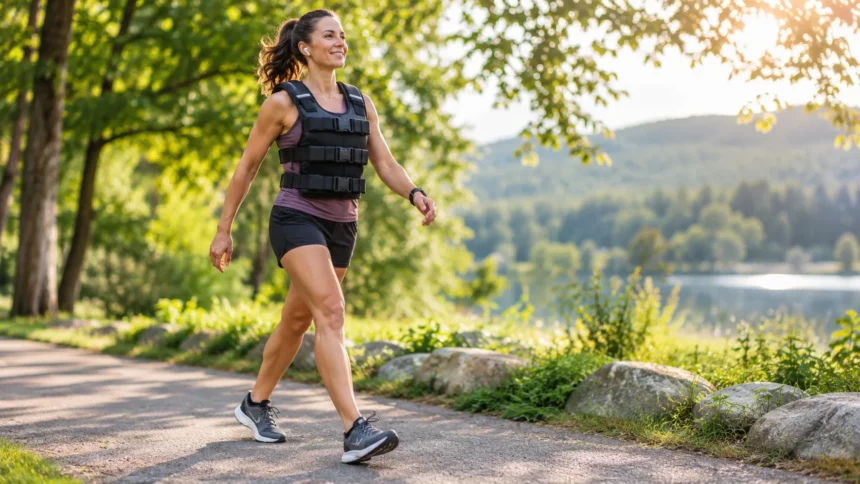
Walking is one of the simplest ways to stay physically active, improve endurance, and support overall health. However, some fitness enthusiasts explore ways to make their regular walking routines more challenging. One popular option is using a weighted vest, which adds external resistance while allowing people to maintain their natural walking movements.
The benefits of walking with a weighted vest may include increased cardiovascular demand, improved muscular endurance, and additional weight-bearing activity. However, these benefits depend on individual fitness levels, walking technique, and the amount of resistance used. A weighted vest is not necessary for effective exercise, and using one incorrectly can place unnecessary stress on the body.
What Is Walking With a Weighted Vest?
Walking with a weighted vest involves wearing a specially designed vest that adds external resistance during movement. These vests usually contain built-in weights or compartments that distribute the load around the torso. Unlike carrying a heavy bag, a properly fitted vest is designed to keep the added weight relatively close to the body. This can make it more practical for certain supervised training activities.
Weighted vest walking is sometimes described as a form of loaded walking. It increases the physical effort required to move because the body must support additional weight during each step. The experience may feel similar to ordinary walking at first, but fatigue can develop sooner. The actual difficulty depends on walking speed, terrain, fitness level, and vest design.
Some adults use weighted vests during walking workouts, strength training, or structured conditioning programs. However, additional resistance is not suitable for everyone, particularly children and teenagers whose bodies are still developing. Regular walking already provides meaningful health benefits without extra weight. Anyone considering loaded walking should first understand whether the additional stress is appropriate for their individual circumstances.
How Does a Weighted Vest Change Your Walking Workout?
Wearing a weighted vest changes the physical demands of walking by increasing the load supported by the body. Muscles involved in movement and posture must work to manage this added resistance. As a result, the same walking route may feel more demanding. The difference becomes more noticeable during longer walks, uneven terrain, or changes in elevation.
The cardiovascular system may also respond to the increased workload. Heart rate and breathing can rise because moving additional weight generally requires greater effort. However, the response varies between individuals and does not automatically mean the exercise is more beneficial. Walking faster or choosing a gentle incline can also increase cardiovascular demand without adding external weight.
A weighted vest may influence walking mechanics, especially when the load is excessive or poorly distributed. Some people lean forward, shorten their steps, or change their posture to compensate. These adjustments can increase discomfort and place unnecessary stress on joints. Maintaining natural movement is more important than trying to make a workout harder through additional resistance.
Benefits of Walking With a Weighted Vest for Heart Health
One potential benefit of weighted vest walking is increased cardiovascular exercise intensity. Because the body moves with additional resistance, the heart and lungs may work harder than during an otherwise comparable walk. This can create a more demanding exercise session for some appropriately conditioned adults. However, stronger intensity does not always produce better health outcomes.
Regular walking supports cardiovascular health by encouraging sustained physical activity. It can help improve endurance, circulation, and overall fitness when performed consistently. Adding a vest may increase the workload, but it is not required to receive these benefits. Comfortable walking at an appropriate pace remains a valuable option for people with different fitness abilities.
The safest exercise intensity depends on individual health, experience, and physical limitations. People with heart conditions, breathing difficulties, or other medical concerns should seek professional advice before introducing additional resistance. They may benefit more from carefully structured walking programs. Consistency, enjoyment, and appropriate recovery generally matter more than making every walking session physically demanding.
Can Weighted Vest Walking Improve Muscle Endurance?
Walking already involves several muscle groups, including the calves, thighs, hips, and muscles supporting the trunk. These muscles work together to maintain balance and produce forward movement. Adding external resistance may increase their workload during a walking session. With appropriate training, some adults may develop better tolerance for sustained muscular activity.
The additional resistance can make everyday walking movements feel more challenging, particularly when climbing gentle slopes. Muscles involved in maintaining posture may also work harder to stabilize the body. However, walking with a vest is not equivalent to a complete strength training program. It does not provide the same targeted resistance or range of movements as properly selected strengthening exercises.
For people interested in improving muscular endurance, regular walking and progressive fitness activities provide useful starting points. Bodyweight exercises, gentle resistance training, and suitable recreational activities can also support muscular fitness. A weighted vest should be considered an optional training tool rather than an essential requirement. Proper supervision and individual suitability remain important when introducing additional resistance.
Walking With a Weighted Vest and Bone Health
Weight-bearing physical activity plays an important role in supporting healthy bones. During walking, bones experience mechanical forces that help maintain normal bone function. Adding external weight increases some of these forces, which has led researchers to investigate weighted vests for bone health. However, the long-term benefits of weighted vest walking remain uncertain.
Some studies have explored loaded exercise in specific adult populations, including older adults. Results vary according to the activity, exercise program, participant characteristics, and study design. It would be inaccurate to assume that walking with a weighted vest automatically increases bone density. The amount and type of exercise matter, and excessive loading may introduce avoidable risks.
Regular physical activity, balanced nutrition, and suitable strengthening exercises all contribute to maintaining healthy bones. For growing teenagers, ordinary weight-bearing activities such as walking, running, and age-appropriate sports are generally more suitable than unnecessary added loads. People with osteoporosis, previous fractures, or other bone conditions should discuss weighted exercise with a qualified healthcare professional.
Does Walking With a Weighted Vest Improve Balance and Posture?
Maintaining balance while walking requires coordination between muscles, joints, vision, and the nervous system. A weighted vest changes how the body carries its load, requiring adjustments during movement. Some structured training programs use controlled resistance to develop physical stability. However, evidence does not establish that weighted vest walking improves balance for everyone.
A properly fitted vest should allow the wearer to maintain an upright and comfortable walking position. If the load causes leaning, stiff movements, or difficulty staying balanced, it may be inappropriate. Poor posture can place additional stress on the lower back, hips, and knees. Increasing resistance should never take priority over comfortable and natural movement.
People interested in improving balance have several alternatives that do not require a weighted vest. Walking on safe, even surfaces, practicing controlled balance exercises, and developing strength can support stability. Exercises should match the person’s experience and abilities. For individuals with frequent falls, dizziness, or mobility difficulties, professional guidance is especially important.
How to Walk With a Weighted Vest Safely
Safe weighted vest walking begins with assessing whether additional resistance is appropriate. Adults considering this activity should already feel comfortable with ordinary walking and understand their current physical limitations. A qualified fitness or healthcare professional can help determine whether loaded walking is suitable. Teenagers should avoid self-directed weighted vest training because additional loading requires age-appropriate assessment and supervision.
If weighted walking is appropriate, a properly designed vest should fit securely without restricting breathing or arm movement. The load should remain stable rather than shifting significantly during walking. Training should begin conservatively under appropriate guidance, with attention to movement quality and comfort. There is no universal vest weight that is safe or suitable for every person.
During walking, maintain a natural posture, look ahead, and move at a comfortable pace. Avoid forcing longer strides or changing your usual walking pattern to accommodate the vest. Choose safe, predictable surfaces rather than difficult terrain. Stop the activity if pain, dizziness, unusual breathing difficulty, or other concerning symptoms develop, and seek medical help when appropriate.
Common Mistakes to Avoid During Weighted Vest Walking
One common mistake is assuming that more resistance always produces better results. Excessive weight can interfere with posture, increase fatigue, and place additional pressure on joints. It may also make walking less comfortable and enjoyable. Exercise should challenge the body appropriately without requiring unnecessary strain or causing persistent discomfort.
Another mistake is wearing a vest that does not fit correctly. A loose vest may shift during movement, while a tight design can restrict breathing or cause uncomfortable pressure. Both situations can affect natural walking mechanics. Anyone using a vest should ensure that the equipment is suitable for their body and the intended activity.
Ignoring recovery and warning signs can also create problems. Adding resistance to every walking session may increase physical stress without providing enough time for adaptation. Discomfort should not be treated as proof that a workout is effective. Rest, varied activity, and appropriate recovery are important parts of maintaining an enjoyable and sustainable fitness routine.
Weighted Vest Walking vs. Regular Walking
Regular walking is an accessible activity that requires little equipment and can fit into many daily routines. It supports cardiovascular fitness, mobility, mood, and overall well-being. Walking outdoors can also provide opportunities to enjoy nature and spend time with others. These benefits do not depend on carrying additional weight or completing particularly demanding workouts.
Weighted vest walking adds resistance, which may increase physical effort during an otherwise similar activity. However, that additional effort comes with potential disadvantages, including greater joint loading and changes in walking mechanics. It is not automatically superior to regular walking. The most appropriate approach depends on individual health, training experience, and personal fitness goals.
For many people, increasing walking consistency, choosing varied routes, or enjoying recreational activities may be more practical than using a weighted vest. A comfortable walking routine is easier to maintain when it fits naturally into daily life. Sustainable movement provides meaningful benefits over time. Specialized equipment should remain optional rather than becoming a requirement for effective exercise.
Who Should Avoid Walking With a Weighted Vest?
Weighted vest walking is not appropriate for every individual. Children and teenagers should not independently add weighted vests to their walking routines, particularly when the goal is simply to make exercise harder. Their bodies are still developing, and additional resistance should be considered only with appropriate professional guidance. Ordinary walking offers substantial benefits without unnecessary loading.
People with existing joint pain, back problems, balance difficulties, or certain cardiovascular conditions may also face additional risks. External resistance can make familiar movements more demanding and potentially aggravate underlying concerns. Individuals recovering from injuries should avoid introducing new loads without professional approval. Personal medical circumstances are more important than general fitness trends or popular exercise routines.
Pregnant individuals and people with conditions affecting breathing, mobility, or bone strength should also seek individualized advice before using weighted equipment. Even healthy adults can experience discomfort when equipment or resistance is inappropriate. Exercise choices should support physical well-being rather than create avoidable problems. There are many effective ways to remain active without using a weighted vest.
How to Build a Sustainable Walking Routine
Building a consistent walking habit begins with selecting activities that feel comfortable and enjoyable. Choose routes that are accessible, safe, and suitable for your abilities. Walking with friends or family can make the experience more social and motivating. You do not need special equipment or challenging conditions to make regular physical activity worthwhile.
Variety can help prevent walking routines from becoming repetitive. Consider exploring different parks, changing scenery, or combining walking with other enjoyable forms of movement. Gentle hills may provide a natural variation in effort for those who can manage them comfortably. There is no need to make every session more intense than the previous one.
Pay attention to how you feel during and after physical activity. Comfortable movement, adequate rest, hydration, and suitable footwear help support a positive walking experience. If you are new to exercise or have health concerns, seek guidance appropriate to your circumstances. The most effective routine is one that supports health, fits your lifestyle, and remains manageable over time.
Conclusion
The benefits of walking with a weighted vest may include increased cardiovascular demand, additional muscular effort, and greater mechanical loading during exercise. However, the research does not show that weighted vest walking is necessary or universally better than ordinary walking. Its value depends on individual circumstances, appropriate equipment, and careful use.
Safety should always come before exercise intensity. Excessive resistance, poor equipment fit, and changes in walking mechanics can increase the risk of discomfort or injury. Growing teenagers and people with certain medical conditions should avoid self-directed weighted vest training. Regular walking and other age-appropriate activities remain excellent ways to support physical fitness.
Whether you choose ordinary walking or professionally guided resistance training, consistency matters more than making workouts increasingly difficult. Focus on movement that feels comfortable, enjoyable, and appropriate for your abilities. A balanced approach helps support lasting activity habits and overall well-being without unnecessary physical strain.
Frequently Asked Questions
What Are the Main Benefits of Walking With a Weighted Vest?
Weighted vest walking may increase cardiovascular effort and muscular workload compared with similar walking without additional weight. However, individual results vary, and regular walking already provides important health benefits.
Is Walking With a Weighted Vest Better Than Regular Walking?
Not necessarily. A weighted vest increases physical demand but may also place additional stress on the body. Regular walking is effective, accessible, and often the better choice for everyday fitness.
Can Walking With a Weighted Vest Improve Bone Density?
Additional loading may increase mechanical stress on bones, but evidence for improved bone density from weighted vest walking alone is limited. Individual health, exercise type, and professional guidance matter.
Is It Safe to Walk With a Weighted Vest Every Day?
Daily loaded walking may increase fatigue and stress on joints, especially without adequate recovery. Its suitability depends on individual circumstances. Ordinary walking can provide a safer daily activity option for many people.
Should Beginners Use a Weighted Vest for Walking?
Beginners should generally establish a comfortable walking routine without added weight. Teenagers should avoid self-directed weighted vest training, while adults considering resistance should seek appropriate guidance before beginning.