Citronella Plant Care: How to Grow It and Whether It Really Repels Mosquitoes
Citronella plants are often marketed as natural mosquito-repelling plants, which makes them especially popular for patios, balconies, gardens, and outdoor seating areas. Their fresh citrus-like scent gives them an appealing reputation as both decorative plants and potential pest deterrents. However, there is often confusion about what a citronella plant actually is and how effective it really is against mosquitoes. The commonly sold citronella plant is usually a scented geranium, often called mosquito plant geranium, rather than the tropical grass used to produce commercial citronella oil. Although its fragrant foliage can add interest to outdoor spaces, simply placing the plant nearby is unlikely to create a mosquito-free zone. Understanding proper citronella plant care and realistic mosquito-control expectations will help you get much better results.
What Is a Citronella Plant?
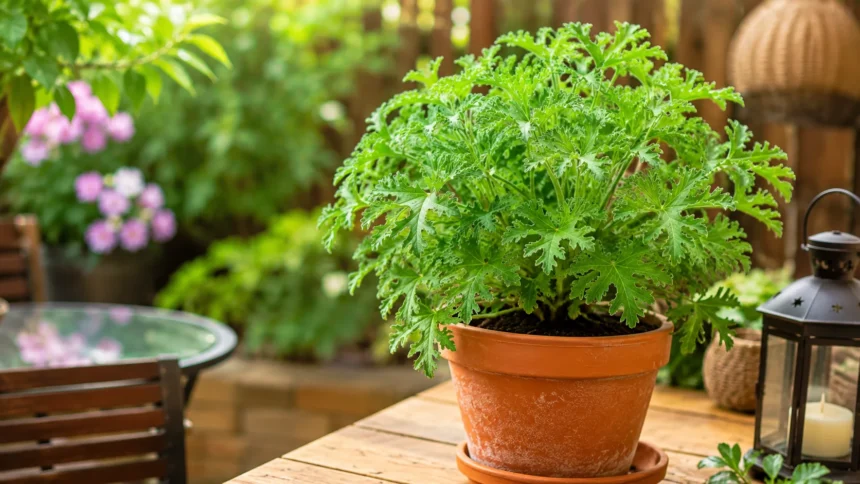
The plant commonly sold under the name citronella plant is usually a scented geranium belonging to the Pelargonium group. It is often called citronella geranium, mosquito plant, mosquito geranium, or citronella-scented geranium because its leaves release a noticeable citrus fragrance when touched or crushed. This plant typically develops deeply divided green foliage and can produce small pinkish or lavender flowers during favorable growing conditions. Its attractive leaves and fresh scent make it popular even among people who are not specifically trying to repel mosquitoes. It can be grown in containers, patio planters, garden beds, or indoors near a bright window. Its relatively manageable care requirements also make it approachable for beginner gardeners.
One important point is that citronella geranium should not be confused with true citronella grass. True citronella comes from tropical grasses in the Cymbopogon genus, particularly species closely related to lemongrass. These grasses contain aromatic oils that are processed and used in products such as citronella candles, sprays, and other insect-repellent formulations. The scented geranium sold at many nurseries has a similar citrus-like aroma but is botanically different. This distinction matters because people often assume that any plant labeled citronella automatically produces the same concentrated oils used in commercial repellents. Understanding which plant you own helps you set realistic expectations about growth habits, care requirements, and mosquito-repelling performance.
Citronella geraniums generally have an upright and somewhat bushy growth habit when regularly pruned. Depending on growing conditions, they can reach several feet in height and spread outward as their stems mature. The foliage is usually the main attraction because the leaves release their strongest fragrance when rubbed, brushed, or crushed. Flowers are typically less dramatic than those produced by ornamental zonal geraniums, although they can still add seasonal color. Regular pinching encourages branching and prevents stems from becoming excessively long or sparse. Container-grown plants are especially easy to shape because pruning can keep them compact enough for balconies, decks, windowsills, and small outdoor spaces.
Like many scented geraniums, citronella plants prefer warmth, plenty of light, and soil that drains well. They dislike sitting in constantly wet soil because excessive moisture around the roots can lead to decline. In warm climates, they may remain outdoors for much of the year, while gardeners in colder areas often treat them as annuals or move containers indoors before frost. The plants can adapt reasonably well to indoor conditions if they receive strong light and are protected from cold drafts. Their relatively flexible growth habit makes them useful for people who want a fragrant plant that can move between indoor and outdoor environments. Proper placement is one of the easiest ways to keep them vigorous.
Citronella plants have become strongly associated with mosquito control largely because of marketing and their distinctive fragrance. The pleasant lemony scent can make people feel as though the plant is actively creating a protective barrier around a patio or doorway. In reality, the scent released by an untouched plant is usually not concentrated enough to provide reliable mosquito protection across an outdoor area. The plant still has value as an attractive, aromatic addition to a garden, but it should not replace proven mosquito-control strategies. Growing citronella for fragrance and appearance while treating its repellent reputation realistically leads to fewer disappointments. The plant can be enjoyable without having to perform as a complete pest-control solution.
Does Citronella Plant Really Repel Mosquitoes?
A citronella plant sitting untouched in a pot does not usually repel mosquitoes strongly enough to provide dependable personal protection. The fragrance people associate with citronella becomes much more noticeable when the foliage is rubbed or damaged, meaning a living plant does not continuously release a high concentration of aromatic compounds into the surrounding air. Mosquitoes can still fly around and land near potted citronella plants, particularly when attractive conditions such as standing water, shade, and human hosts are nearby. This is why simply placing several plants around a patio may not significantly reduce mosquito activity. Citronella plants should therefore be considered decorative and aromatic plants rather than reliable stand-alone mosquito barriers.
The confusion often comes from the fact that citronella oil does have a long history of use in mosquito-repellent products. However, concentrated citronella oil and a living citronella-scented geranium are not the same thing. Commercial repellents contain controlled amounts of active ingredients that are specifically formulated to evaporate and create a temporary protective effect. A potted plant releases far less fragrance into the surrounding environment under normal conditions. Even true citronella grass does not automatically protect an entire yard simply by growing nearby. The difference between concentrated extracts and intact plants is important when evaluating natural mosquito remedies. A pleasant scent alone should not be interpreted as evidence of strong or lasting mosquito repellency.
Crushing or rubbing citronella-scented leaves releases more aroma than leaving the plant untouched. Some gardeners notice that insects appear less interested in very strongly scented foliage after it has been disturbed. However, rubbing fresh plant material directly on the skin is not automatically safe or equivalent to applying a tested insect repellent. Plant sap and aromatic compounds can irritate sensitive skin, particularly when used repeatedly or in concentrated amounts. The strength of naturally occurring compounds can also vary from one plant to another. For personal mosquito protection, it is safer to rely on products specifically labeled and tested for that purpose rather than experimenting with crushed leaves as a homemade topical treatment.
Citronella plants may still contribute indirectly to a mosquito-conscious outdoor setup by encouraging gardeners to think about fragrance, airflow, and patio design. For example, containers can be placed near seating areas alongside fans, well-maintained landscaping, and mosquito-control measures that address breeding sites. Moving air from outdoor fans can make it harder for mosquitoes to fly and locate people, while eliminating standing water reduces places where many mosquito species reproduce. These approaches have a much more meaningful impact than depending on one scented plant. Citronella can therefore become part of a pleasant outdoor environment without being treated as the primary defense. A layered strategy provides more practical protection.
If your main reason for buying citronella is mosquito control, adjust your expectations before investing in multiple plants. Grow it because you enjoy the scent, textured foliage, flowers, or ability to thrive in containers, and treat any mosquito-deterring effect as secondary. If mosquitoes are a serious problem, inspect gutters, plant saucers, buckets, birdbaths, drainage areas, and other locations where water can collect. Use screens, appropriate repellents, fans, and local mosquito-management recommendations when stronger protection is needed. This approach is more effective than surrounding a sitting area with scented plants and hoping insects remain away. Citronella plants can beautify a patio, but mosquito prevention requires more than fragrance.
Best Light for Citronella Plant Growth
Citronella plants perform best when they receive plenty of bright light throughout the day. Outdoors, several hours of direct sunlight can help encourage compact stems, healthy foliage, and stronger flowering. Morning sun is particularly useful because it provides bright light without exposing the plant to the most intense afternoon heat. In mild climates, a location receiving full sun or partial sun may work well depending on temperature and moisture conditions. Plants grown in sufficient light tend to develop denser foliage and stronger stems than those kept in deep shade. However, extremely hot afternoon sunlight can sometimes stress container-grown plants, particularly when soil dries quickly.
In regions with very hot summers, providing some protection from intense afternoon sunlight can prevent excessive wilting or leaf scorch. A position that receives morning sun followed by light afternoon shade often creates a useful balance between strong growth and heat protection. Container plants are especially vulnerable to overheating because their roots are surrounded by a relatively small amount of soil. Dark-colored pots can become surprisingly warm when exposed to intense sunlight for many hours. If leaves consistently droop despite adequate soil moisture, excessive heat may be contributing to stress. Moving the container slightly or providing afternoon shade can improve conditions without reducing overall light too dramatically.
Citronella plants grown indoors need the brightest practical location available. A sunny south- or west-facing window may provide enough light in many homes, although window direction and seasonal conditions vary. Plants kept several feet away from a bright window may begin to stretch toward the light, creating long stems with fewer leaves. This leggy appearance is a common sign that the plant needs stronger illumination. Rotating the container periodically can help maintain balanced growth if light comes primarily from one direction. Indoor plants may also benefit from supplemental grow lights when natural daylight is limited, particularly during winter months.
Gradually acclimate citronella plants when moving them from indoors into strong outdoor sunlight. Leaves that developed behind glass are not always prepared for immediate exposure to intense direct sun. Sudden movement from a relatively dim room to an open sunny patio can cause bleached, pale, or scorched patches on the foliage. Start by giving the plant gentle morning sunlight or a few hours in a bright sheltered location. Increase direct exposure over several days or longer as the plant adapts. The same gradual approach is useful for many indoor plants moved outside for summer because acclimation reduces unnecessary leaf damage.
Light also influences how often a citronella plant needs watering. A plant receiving several hours of sun in warm weather will usually use moisture faster than one growing in partial shade. This means placement and watering should always be considered together rather than treated as separate care tasks. Increasing sunlight without checking soil moisture more frequently can cause wilting, while keeping a shaded plant on a sunny-weather watering schedule can leave its roots excessively wet. Observe how quickly the potting mix dries in the specific location you choose. Strong light combined with appropriate watering usually produces healthier and more compact citronella growth.
How Often Should You Water a Citronella Plant?
Citronella plants prefer consistent moisture during active growth but do not perform well in waterlogged soil. A practical approach is to check the upper inch or two of soil before watering rather than following a fixed weekly schedule. When the surface feels dry, water thoroughly until excess moisture begins draining from the bottom of the container. Allow the pot to drain completely instead of leaving it standing in a saucer filled with water. This watering method moistens the root zone while maintaining the oxygen roots need for healthy growth. Constantly wet soil can create more serious problems than allowing the top layer to dry slightly between waterings.
Outdoor container plants may require frequent watering during hot summer weather because pots lose moisture faster than garden soil. Wind, direct sunlight, container size, plant size, and potting mix all influence how quickly the root zone dries. A large mature citronella plant growing in a sunny terracotta pot may need water much sooner than a small plant in a shaded plastic container. Checking the soil regularly is therefore more accurate than automatically watering every two or three days. During heat waves, plants may need additional attention because containers can dry rapidly. Early morning watering is often convenient because it prepares plants for the warmer part of the day.
Indoor citronella plants generally need less frequent watering than plants growing outdoors. Reduced sunlight, stable temperatures, and limited airflow often mean the potting mix stays moist for longer periods. Continue checking the soil rather than maintaining the same summer outdoor schedule after moving the plant inside. Water thoroughly when needed, but avoid adding small amounts every day because this can create uneven moisture around the roots. Indoor plants may slow their growth during winter, further reducing water demand. Allowing the upper portion of the soil to dry slightly helps prevent the roots from remaining wet for extended periods during lower-light months.
Overwatering can cause yellowing leaves, soft stems, slow growth, and eventual root problems. If the soil remains wet for many days after watering, the pot may be too large, drainage may be inadequate, or the growing medium may be holding excessive moisture. Check that drainage holes are open and avoid decorative containers that trap water around the nursery pot. If root damage is suspected, carefully inspect the root system and replace severely compacted soil if necessary. Healthy roots generally feel firm rather than mushy. Correcting the underlying moisture issue is essential because simply removing yellow leaves will not stop continued decline.
Underwatering usually produces different symptoms, including drooping foliage, dry soil, crispy leaf edges, and slowed growth. Citronella plants can recover from occasional wilting if watered before severe dehydration causes lasting damage. When potting soil becomes extremely dry, water slowly so moisture can penetrate the root ball rather than immediately running down the sides of the container. Repeated cycles of severe wilting can stress the plant and lead to premature leaf loss. Try to water before the entire root zone becomes completely dry. Consistent but moderate watering creates stronger growth than alternating between drought and saturation.
Best Soil and Potting Mix for Citronella Plants
Citronella plants grow best in loose, fertile soil that drains excess water efficiently. A quality general-purpose potting mix is usually suitable for containers when it has a light structure and does not remain soggy for long periods. Adding perlite or another coarse amendment can improve drainage if the mix feels dense. Outdoor garden soil should contain enough organic matter to retain moderate moisture while still allowing water to move away from the roots. Heavy clay soil may require improvement before planting because poor drainage increases the risk of root stress. Healthy soil should remain slightly moist after watering without turning into a constantly wet, compact mass.
Container drainage is especially important because excess water has nowhere to escape from a sealed pot. Always choose a container with drainage holes when possible. Decorative pots without holes can be used as outer covers, but the plant itself should remain inside a removable pot that drains properly. After watering, allow excess moisture to leave the inner container before returning it to the decorative cover. This simple habit prevents roots from sitting in hidden water at the bottom. Many cases of overwatering are actually caused by poor drainage rather than the amount of water applied at one time.
Pot size influences soil moisture as well. Moving a small citronella plant directly into an extremely large container can create a large volume of wet soil around a relatively small root system. Because the roots cannot use all that moisture quickly, the soil can remain saturated for too long. When repotting, choose a container only moderately larger than the existing root ball. A slightly larger pot provides room for new root growth without dramatically increasing moisture retention. As the plant becomes established and fills the new container, it can be moved to a larger pot again when necessary.
Repotting may become necessary when roots begin circling densely inside the container or emerging from drainage holes. A root-bound citronella plant may also dry unusually quickly because there is very little potting mix remaining to hold moisture. Spring is often a convenient time to repot because the plant is entering active growth and can establish new roots efficiently. Gently loosen tightly circling roots before placing the plant into fresh potting mix. Avoid burying the main stem significantly deeper than it was previously growing. Water after repotting and place the plant in suitable light while it adjusts to the new container.
Garden-grown citronella benefits from soil that has been prepared before planting. Mixing compost or other well-decomposed organic matter into poor soil can improve structure and provide gradual nutrients. However, adding excessive rich material to already fertile soil is unnecessary and can create overly dense conditions. Plant in an area that does not remain flooded after rainfall or irrigation. Raised beds can improve drainage where native soil is consistently heavy. Whether grown in the ground or in pots, citronella performs best when roots have access to moisture, nutrients, and oxygen at the same time.
Temperature and Humidity Requirements
Citronella plants prefer warm temperatures and generally perform best during spring and summer. Conditions around 60°F to 80°F, or approximately 16°C to 27°C, are usually comfortable for active growth. Warmer weather encourages faster development provided the plant receives enough water and is not exposed to extreme heat. Because scented geraniums are tender plants, they can be damaged by cold weather and frost. Gardeners in colder climates typically grow them as annuals or bring containers indoors before temperatures fall significantly. Paying attention to autumn forecasts can help prevent an otherwise healthy plant from being damaged by an unexpected cold night.
Frost is particularly dangerous because citronella plants are not hardy enough to tolerate freezing conditions in most situations. Leaves and tender stems may blacken, wilt, or collapse after exposure to frost. If you want to overwinter a container plant, move it indoors before freezing temperatures arrive rather than waiting until visible damage occurs. Inspect the foliage for pests before bringing the plant inside because outdoor insects can quickly spread to other houseplants. Gradually adjusting the plant to lower indoor light can also reduce stress. Placing it near a bright window will help maintain healthier growth during the cooler months.
Indoor temperatures are generally suitable as long as the plant is kept away from extreme drafts. Avoid locations directly beside frequently opened exterior doors or windows that become very cold overnight. Heating vents can also create problems by blowing hot, dry air directly across the foliage. A stable room temperature is usually more beneficial than dramatic fluctuations throughout the day. Citronella plants do not need tropical greenhouse conditions, but they appreciate predictable warmth. If a plant suddenly begins dropping leaves after being moved indoors, changes in temperature, light, and watering should all be considered.
Moderate household humidity is usually sufficient for citronella plants. Unlike some tropical foliage plants, they do not generally require extremely high humidity to maintain healthy leaves. In fact, excessive humidity combined with poor airflow and constantly wet foliage can contribute to fungal problems. Allow space between plants so air can circulate, particularly when they are grown closely together indoors. There is usually no need to mist the leaves repeatedly. Maintaining appropriate soil moisture and providing good light are much more important than trying to create unusually humid conditions.
Hot, dry outdoor weather can increase the plant’s moisture needs even if average humidity is acceptable. Container plants may wilt temporarily during the hottest part of the afternoon, especially when roots become warm. Check the soil before assuming every wilted plant needs immediate watering because temporary heat stress can occur even when moisture is adequate. If soil is still damp, afternoon shade may provide better relief than additional water. Mulching around garden-grown plants can help reduce rapid evaporation from the soil surface. Adjusting light, watering, and temperature together produces more consistent results than focusing on humidity alone.
How to Prune Citronella for Fuller Growth
Regular pruning is one of the best ways to keep citronella plants compact, bushy, and attractive. Without trimming, stems can become long and sparse, especially when the plant receives less light than it needs. Pinching or cutting back the growing tips encourages branching from lower points along the stems. This creates a fuller plant with more foliage rather than a few tall shoots. Use clean scissors or pruning shears and cut just above a healthy leaf node. Moderate pruning can be performed throughout active growth whenever stems begin looking uneven or excessively long.
Young citronella plants benefit from early pinching because shaping is easier before stems become large and woody. Remove the soft tip of a growing stem once it has developed several sets of leaves. New side branches often emerge from nodes below the pinch point, increasing overall density. Repeating this process selectively across different stems creates a rounded, balanced shape. Do not pinch every growing tip simultaneously if the plant is still small because it needs enough foliage to continue producing energy. Gradual shaping usually creates a stronger-looking plant than a single severe pruning session.
Mature plants can tolerate more substantial trimming when they have become overgrown. Spring is often an appropriate time for heavier pruning because increasing light and warmth encourage new growth. Remove damaged stems, dead foliage, weak branches, and excessively long sections that disrupt the desired shape. Avoid cutting the entire plant down too aggressively unless rejuvenation is necessary. Leaving healthy foliage on several stems helps the plant recover more quickly. After pruning, provide bright light and appropriate watering to support new shoots.
Pruning also improves airflow through dense foliage. A plant with many tightly packed stems can trap moisture around leaves, particularly after rain or overhead watering. Removing weak or crowded growth allows air to move more freely through the plant. Better airflow can reduce conditions that encourage certain fungal problems and makes it easier to inspect foliage for pests. However, the goal is not to thin the plant so dramatically that it loses its attractive bushy appearance. Selective pruning offers the best balance between fullness and ventilation.
The stems removed during pruning do not necessarily need to be thrown away. Healthy pieces can often be used to propagate new citronella plants through stem cuttings. This makes routine trimming an opportunity to expand your collection or create plants to share with friends. Choose vigorous, pest-free stems rather than damaged or diseased material for propagation. Remove the lower leaves and root the cutting in an appropriate medium. Regular pruning combined with propagation allows one established citronella plant to provide several new plants over time.
How to Propagate Citronella Plants
Stem cuttings are one of the easiest ways to propagate citronella plants. Choose a healthy non-flowering stem with several sets of leaves and cut a section approximately three to five inches long. Make the cut using clean, sharp scissors or pruning shears to reduce unnecessary tissue damage. Remove leaves from the lower portion of the cutting while leaving a few healthy leaves near the top. Removing lower foliage prevents leaves from being buried in the rooting medium. The cutting can then be placed into a small container filled with lightly moist, well-draining potting mix.
Rooting hormone is optional rather than essential for citronella propagation. Scented geranium cuttings can often develop roots successfully without it when temperatures and moisture are suitable. If rooting hormone is used, apply it lightly according to product directions rather than coating the stem heavily. Insert the prepared cutting into the growing medium so that at least one lower node is below the surface. Gently firm the soil around the stem to keep it upright. Place the container in bright indirect light while roots begin developing.
Moisture management is especially important during propagation. The potting mix should remain lightly moist but never waterlogged because fresh cuttings are vulnerable to stem rot. Water when the surface begins drying rather than keeping the container saturated at all times. Excessively humid enclosed conditions can also encourage rotting if airflow is poor. Some growers loosely cover cuttings to reduce moisture loss, but this should be monitored carefully. Good light, warmth, moderate humidity, and airflow usually create favorable rooting conditions.
New growth is one of the clearest signs that a citronella cutting is becoming established. You can also gently test the stem after several weeks to see whether it offers slight resistance, which may indicate root formation. Avoid pulling strongly because young roots can break easily. Once the cutting has developed a healthy root system, gradually treat it more like a mature plant. Increase sunlight carefully and allow the upper soil layer to dry slightly between waterings. Pinching the growing tip later can encourage the young plant to branch and become bushier.
Propagation is particularly useful if you live in a cold climate and do not want to bring a large mature citronella plant indoors for winter. Instead, take several cuttings near the end of the growing season and establish smaller plants indoors. Small rooted cuttings require less space than a full outdoor specimen and are easier to position near bright windows. In spring, they can be gradually acclimated to outdoor conditions and planted into larger containers. This method effectively carries the plant from one growing season to the next without overwintering an oversized pot. Taking multiple cuttings also increases the chances that at least several will root successfully.
Common Citronella Plant Problems
Yellow leaves are often connected to watering problems, although they can have several causes. A few older leaves turning yellow occasionally may simply be part of normal plant growth. Rapid yellowing across multiple stems can indicate that the soil remains too wet or roots are struggling because of poor drainage. Check soil moisture before adding more water and make sure the container drains freely. If the pot remains saturated for many days, adjust the growing medium or watering routine. Adequate sunlight also matters because plants in low light use water more slowly.
Leggy citronella growth usually develops when the plant does not receive enough light or pruning. Stems may become long, thin, and widely spaced as they stretch toward a brighter location. Moving the plant into stronger light gradually can improve future growth, while trimming elongated stems helps restore a more compact shape. Pinching new shoots encourages additional branching and can make the plant appear denser. Existing stretched sections will not become shorter simply because lighting improves. Combining better light with selective pruning provides the most effective correction.
Brown or crispy leaves can indicate drought stress, excessive heat, fertilizer buildup, or damaged roots. Check whether the soil becomes completely dry for extended periods between waterings. Plants growing in small outdoor containers can dry very quickly during sunny or windy weather. If soil moisture seems appropriate, consider whether the plant receives harsh afternoon heat or excessive fertilizer. Damaged leaves will not repair themselves, but healthier future growth indicates that the underlying problem has been corrected. Avoid overreacting by watering constantly because brown leaves do not always mean the plant is thirsty.
Pests can occasionally affect citronella plants, particularly when they are moved indoors for winter. Common houseplant pests such as spider mites, whiteflies, aphids, and mealybugs may feed on leaves and tender stems. Inspect the undersides of foliage and new growth regularly for insects, sticky residue, webbing, or distorted leaves. Isolate affected plants from other houseplants while treatment is underway. Light infestations may sometimes be controlled by washing foliage or physically removing pests, while larger problems may require an appropriately labeled pest-control product. Early detection makes infestations much easier to manage.
Fungal problems are more likely when foliage remains wet for extended periods and airflow is poor. Avoid repeatedly wetting the leaves late in the day, especially when plants are growing in dense groups. Watering the soil rather than constantly spraying foliage helps keep leaves drier. Remove badly damaged or diseased-looking material using clean tools and improve spacing between plants. If symptoms continue spreading, identify the specific disease before choosing any treatment. Healthy light, proper watering, good airflow, and clean growing conditions can prevent many common citronella plant problems before they become serious.
Can Citronella Plants Grow Indoors?
Citronella plants can grow indoors, but they generally need more light than many people expect. A location directly beside a sunny window provides the best chance of maintaining compact, healthy growth. South- and west-facing windows often offer useful light, although regional climate and seasonal conditions influence intensity. If the plant becomes pale, stretched, or thin, insufficient light is one of the first factors to evaluate. Moving it closer to a brighter window can improve new growth. Grow lights are another useful option when natural indoor illumination is limited.
Indoor watering should be adjusted carefully because potting mix usually dries more slowly inside the home. A plant that needed water every few days outdoors during summer may need considerably less moisture after moving indoors. Check the soil rather than continuing the old schedule automatically. Allow the upper portion to dry slightly before watering thoroughly. Empty excess water from saucers and decorative covers after watering. Overwatering is particularly common during winter when cooler temperatures and shorter days reduce the plant’s water use.
Indoor citronella plants may become somewhat leggy during winter because daylight hours are shorter. Pruning can help maintain a manageable shape, although severe trimming is usually unnecessary if the plant is simply growing more slowly. Supplemental lighting can reduce stretching and keep foliage denser. Keep the plant away from cold windows, heaters, and strong drafts. A stable indoor environment combined with strong light makes overwintering much easier. Growth may still slow compared with summer, which is normal for plants receiving reduced seasonal light.
Inspect plants carefully before bringing them indoors because outdoor specimens may carry pests. Check stems, leaf undersides, soil surfaces, and new growth for insects or eggs. Washing the foliage and isolating the plant temporarily can reduce the chance of spreading pests to existing houseplants. Continue inspecting it during the first few weeks indoors because some insects are difficult to notice immediately. A small infestation is easier to control before pests spread throughout a collection. Indoor transitions are therefore an ideal time to perform a thorough plant-health check.
Citronella plants grown indoors can provide fragrance and greenery even when mosquito control is not relevant. Their textured leaves add visual interest near bright windows and release a pleasant citrus aroma when brushed or handled. Regular pruning can keep the plant small enough for indoor spaces, while cuttings can be propagated for the next outdoor season. Do not expect the plant to repel mosquitoes throughout an entire room simply because it is growing indoors. Treat it primarily as a scented ornamental plant. With that expectation, citronella can become an enjoyable addition to a sunny indoor plant collection.
How to Use Citronella in a Mosquito-Conscious Garden
Citronella plants can be included near patios, pathways, seating areas, and entryways primarily for their fragrance and decorative appearance. Containers make them easy to reposition depending on sunlight and entertainment needs. Combining them with other aromatic herbs and plants can create an attractive sensory garden even if the plants themselves do not provide reliable mosquito protection. Lavender, rosemary, mint, basil, and lemongrass are commonly grown for their fragrances and culinary or ornamental uses. However, no arrangement of scented plants should be considered a guaranteed mosquito barrier. Use them for garden appeal while taking separate steps to address mosquito populations.
Removing standing water is one of the most useful things homeowners can do to reduce mosquito breeding around a property. Check plant saucers, buckets, clogged gutters, discarded containers, toys, tarps, and other objects that can collect rainwater. Even relatively small amounts of stagnant water may provide breeding opportunities for some mosquito species. Refresh water in birdbaths and decorative features regularly according to appropriate local guidance. Make sure outdoor drains work correctly and repair areas where irrigation creates persistent puddles. Preventing breeding is far more effective than expecting scented foliage to chase away adult mosquitoes.
Air movement can also make outdoor seating areas less attractive to mosquitoes. Portable or ceiling-mounted outdoor fans create airflow that can interfere with mosquito flight and make it harder for them to approach people. Positioning fans around patios can be particularly useful during warm evenings when mosquito activity is noticeable. Citronella containers can still be placed nearby for decoration without being expected to perform the entire pest-control job. Screens around porches and outdoor rooms provide another physical barrier. Combining several practical methods generally creates a more comfortable environment than relying on a single solution.
When personal protection is necessary, use mosquito repellents that are specifically designed and labeled for human use. This is especially important in regions where mosquitoes can transmit illnesses. Plant-based fragrance should not be treated as a substitute for proven prevention when disease risk is significant. Follow product directions carefully and choose options appropriate for the people using them. Protective clothing can also reduce exposed skin during periods of heavy mosquito activity. Local public health recommendations should take priority when mosquito-borne diseases are a concern.
A well-designed outdoor space can therefore include citronella plants without exaggerating what they can accomplish. Place containers where the plants receive enough light and where their citrus fragrance can be enjoyed when leaves are touched or moved. Combine attractive planting with clean drainage, regular water management, screens, airflow, and appropriate personal protection when needed. This balanced approach preserves the enjoyable qualities of citronella while avoiding unrealistic expectations. The plant does not need to be an exceptionally powerful mosquito repellent to deserve a place in the garden. Its scent, foliage, and easy propagation can make it worthwhile on their own.
Is a Citronella Plant Worth Growing?
Citronella is worth growing if you enjoy fragrant foliage, container gardening, and easy-to-shape plants. Its textured green leaves provide a distinctive appearance that works well with herbs, flowering annuals, and other patio plants. The citrus-like aroma becomes particularly noticeable when foliage is brushed, making it enjoyable near pathways or outdoor sitting areas. Regular pruning allows the plant to remain compact or develop into a fuller specimen depending on available space. It can also produce delicate flowers that add another layer of seasonal interest. These qualities make citronella attractive even when mosquito repellency is removed from the equation.
The plant is also relatively forgiving when basic care requirements are met. Strong light, well-draining soil, moderate watering, and warm temperatures support healthy growth without requiring complicated techniques. Container cultivation makes it easy to move the plant into better light or shelter it from severe weather. Gardeners in cold regions can take cuttings or overwinter smaller plants indoors rather than replacing them every year. Its ability to propagate easily adds value because one mature plant can produce many new specimens. Beginners can use citronella to practice pruning, propagation, repotting, and seasonal plant care.
Citronella may be disappointing only when purchased with unrealistic expectations about mosquitoes. Nursery labels and popular gardening claims can create the impression that one or two plants will protect an entire patio. In reality, mosquitoes are attracted by several environmental and biological factors that cannot simply be overcome by a mild plant fragrance. People who understand this before purchasing are more likely to enjoy the plant for what it actually offers. Think of mosquito repellency as a widely discussed characteristic rather than the plant’s guaranteed function. A realistic approach prevents a healthy and attractive plant from being judged solely by an exaggerated pest-control claim.
If mosquito control is your primary objective, invest most of your effort in reducing breeding sites and creating physical or environmental barriers. Regularly remove standing water, improve drainage, use screens and fans where appropriate, and choose personal repellents when necessary. Citronella plants can complement the appearance of these spaces while contributing fragrance and greenery. They should not be the central component of a mosquito-management plan. This distinction is especially important where mosquito-borne disease is a concern. Reliable prevention should always take precedence over decorative garden myths.
Overall, citronella plants are appealing scented geraniums that fit naturally into patios, balconies, sunny windows, and container gardens. They are easy to propagate, respond well to pruning, and can grow vigorously during warm weather with adequate sunlight. Their biggest limitation is not horticultural but reputational because they are often expected to repel mosquitoes more effectively than living plants realistically can. Grow citronella because you appreciate its appearance and fragrance, then use more dependable strategies for mosquito protection. With those expectations in place, caring for citronella becomes simple and rewarding. It can be a useful ornamental plant without needing to function as a natural insect-control system.
Frequently Asked Questions About Citronella Plants
Does a citronella plant really keep mosquitoes away?
A living citronella plant does not reliably repel mosquitoes simply by sitting near a patio or doorway. Its fragrance is much less concentrated than the citronella oil used in formulated mosquito-repellent products, so other prevention methods are needed for dependable protection.
How much sunlight does a citronella plant need?
Citronella plants prefer several hours of bright sunlight each day and generally grow best in full sun to partial sun. In extremely hot climates, some afternoon shade can help protect container plants from excessive heat and rapid drying.
How often should citronella plants be watered?
Water when the top inch or two of soil begins to feel dry, then soak the soil thoroughly and allow excess moisture to drain. The frequency changes with temperature, sunlight, pot size, and season, so checking the soil is better than following a fixed schedule.
Can citronella plants survive winter indoors?
Yes, citronella plants can often be overwintered indoors if they are moved inside before frost and placed near a bright sunny window. Reduce watering as growth slows and inspect the plant carefully for pests before bringing it near other houseplants.
Can you propagate a citronella plant from cuttings?
Yes, citronella plants are relatively easy to propagate from healthy stem cuttings. Remove the lower leaves, place the stem into lightly moist, well-draining potting mix, and keep it warm in bright indirect light until a healthy root system develops.