Cabbage Soup Diet: 7-Day Plan, Results & Safety
The cabbage soup diet is a short-term eating plan that promises rapid weight loss by making low-calorie vegetable soup the center of nearly every meal. Different versions have circulated for decades, but most last seven days and allow only a limited selection of additional foods on each day. The plan is simple, inexpensive, and easy to understand, which explains why it continues to attract attention.
People often try the 7-day cabbage soup diet before a vacation, wedding, photoshoot, or other important event. The possibility of seeing the number on the scale fall quickly can feel motivating, especially when slower weight-loss efforts have been frustrating. However, fast changes in body weight do not necessarily represent an equal amount of body-fat loss.
Cabbage itself is a nutritious vegetable that can be part of a healthy eating plan. The concern is not the soup alone but the extreme restriction created by relying on it while removing many sources of protein, healthy fats, whole grains, and essential nutrients. A healthy food does not automatically make every diet built around it nutritionally balanced.
This guide explains how the cabbage soup diet works, what its traditional seven-day plan includes, and what results you can realistically expect. It also covers side effects, safety concerns, people who should avoid the diet, and a more balanced way to enjoy cabbage soup while working toward sustainable weight loss.
What Is the Cabbage Soup Diet?
The cabbage soup diet is a low-calorie crash diet designed to be followed for one week. Followers eat homemade cabbage and vegetable soup several times a day, along with a different group of permitted foods on each day. Most versions do not require calorie counting because the available food choices naturally keep energy intake very low.
The traditional cabbage soup diet plan is not connected to one official doctor, hospital, university, or research organization. It has appeared under several names, including the sacred heart diet, hospital cabbage soup diet, military cabbage soup diet, and miracle soup diet. Despite these labels, it is not a standard medical weight-loss program.
The rules vary slightly depending on the version being followed. Some plans permit unlimited cabbage soup, while others suggest eating a bowl whenever hunger appears. Daily additions may include fruit, vegetables, bananas, milk, lean meat, tomatoes, brown rice, or unsweetened fruit juice, but the overall food selection remains highly restricted.
The plan is sometimes described as a detox diet or fat-burning soup program. However, cabbage soup does not contain a special ingredient that melts body fat or removes toxins. Any decrease in weight mainly occurs because the diet sharply reduces total calories, carbohydrates, sodium, and the amount of food stored in the digestive system.
How Does the Cabbage Soup Diet Work?
Body weight decreases when you consistently consume less energy than your body uses. The cabbage soup diet creates a large calorie deficit by replacing higher-calorie meals with broth-based vegetable soup. Cabbage, tomatoes, onions, celery, and similar vegetables provide substantial volume without contributing many calories.
Soup also contains a considerable amount of water, which may temporarily increase fullness. Eating a warm bowl slowly can help some people feel satisfied with less food than they would eat during a meal containing highly processed or energy-dense foods. This effect comes from the meal’s volume rather than a unique fat-burning property of cabbage.
The diet also drastically reduces carbohydrates on several days. Your body stores carbohydrates as glycogen in the muscles and liver, and glycogen holds water. When carbohydrate intake falls, glycogen stores become smaller and some of the associated water leaves the body, causing the scale to drop rapidly.
Reduced food volume can further lower the number on the scale because less material remains in the digestive tract. These changes may look impressive over seven days, but much of the early loss can return when normal carbohydrate, sodium, and food intake resumes. Lasting fat loss generally requires habits that can continue beyond one restrictive week.
What Is Usually in Cabbage Soup?
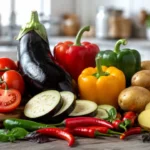
The classic cabbage soup recipe normally contains chopped green cabbage, onions, tomatoes, celery, carrots, and bell peppers. These ingredients are simmered in water, vegetable stock, or another broth until tender. Garlic, black pepper, herbs, paprika, and other seasonings may be added to improve the flavor without contributing many calories.
Cabbage provides fiber along with nutrients such as vitamin C, vitamin K, folate, and vitamin B6. Tomatoes and peppers contribute additional vitamin C and plant compounds, while carrots provide beta-carotene. The vegetables make the soup more nutritious than many processed low-calorie foods, but they do not supply every nutrient the body needs.
Some traditional recipes use packaged onion soup mix, bouillon cubes, or canned broth. These products can be high in sodium, potentially causing thirst, bloating, or temporary water retention in salt-sensitive individuals. Choosing a lower-sodium broth and seasoning the soup with herbs can make it more suitable for regular meals.
The original recipe usually contains very little protein or fat. Adding beans, lentils, chicken, tofu, olive oil, or another substantial ingredient would create a more balanced soup, although it would no longer match the strict crash-diet version. For general health, improving the meal’s nutritional value matters more than following outdated rules perfectly.
The Traditional 7-Day Cabbage Soup Diet Plan
Days 1 and 2 focus mainly on produce and cabbage soup. Day 1 generally allows soup and most fruits except bananas, while Day 2 permits soup and non-starchy vegetables. Some versions allow a baked potato with a small amount of butter on the second evening, but fruit is usually excluded that day.
Days 3 and 4 continue the highly restrictive pattern. Day 3 combines cabbage soup with permitted fruits and vegetables but usually excludes bananas and potatoes. Day 4 typically allows several bananas and servings of skim milk alongside the soup, with the claim that these foods reduce cravings for sweets.
Days 5 and 6 introduce larger portions of protein. Day 5 commonly allows lean beef, chicken, or fish with tomatoes and cabbage soup, while Day 6 permits lean protein and non-starchy vegetables. The quantities vary considerably between versions, showing that the diet does not have one scientifically standardized protocol.
Day 7 usually includes brown rice, vegetables, cabbage soup, and unsweetened fruit juice. The diet is then supposed to end rather than repeat immediately. This description explains the traditional plan rather than recommending it, as several days provide inadequate variety and may not meet individual energy or nutrient needs.
What Results Can You Expect in Seven Days?
Many versions claim that followers can lose up to 10 pounds during the week. There is no strong clinical evidence showing that everyone will achieve this result or that such a change would represent 10 pounds of body fat. Your starting weight, usual diet, fluid balance, activity, hormones, and sodium intake can all influence the scale.
Some people may notice a decrease of several pounds because the plan is extremely low in calories and carbohydrates. The first changes are likely to include water, glycogen, digestive contents, and a smaller amount of body fat. People who normally eat many salty or carbohydrate-rich foods may notice a larger initial shift in water weight.
Losing 10 pounds of body fat in one week would require an exceptionally large energy deficit that is unrealistic and potentially unsafe for most people. Even when the scale falls quickly, the body cannot convert every pound of change into fat loss. This is why judging a diet only by the first week’s number can be misleading.
Results are also difficult to maintain because the plan does not teach flexible portion control, balanced meal preparation, or strategies for handling social events and cravings. When regular eating resumes, glycogen and water stores are replenished. Regaining some weight after the diet does not mean you failed; it reflects normal body physiology.
Is the Weight Loss Mostly Fat or Water?
A calorie deficit can lead to some body-fat loss during the cabbage soup diet, but seven days is a limited period. The greater the calorie restriction, the more energy the body must obtain from stored sources. However, the body may use a mixture of fat, glycogen, and lean tissue rather than drawing only from body fat.
Water loss often explains a significant portion of the rapid initial result. When carbohydrate intake drops, stored glycogen decreases and releases associated water. Lower sodium intake may also reduce retained fluid, although salty broth or packaged seasoning can have the opposite effect in some people.
The diet may reduce the amount of food passing through your digestive system as well. Cabbage soup provides bulk, but the total quantity and variety of food may still be lower than usual. A lighter digestive load can change scale weight without reflecting a meaningful change in body composition.
After the diet ends, eating more carbohydrates and sodium can restore glycogen and fluid within a short time. A higher scale reading after a normal meal does not mean you suddenly gained several pounds of fat. Sustainable progress is better evaluated over multiple weeks through weight trends, waist measurements, energy levels, and consistent habits.
Possible Benefits of the Cabbage Soup Diet
The plan encourages people to eat more vegetables than they may normally consume. Cabbage, carrots, tomatoes, peppers, onions, and celery provide fiber, vitamins, minerals, water, and helpful plant compounds. A vegetable-based soup can be a filling starter or convenient lunch when included within a balanced eating pattern.
The ingredients are generally affordable and widely available. A large batch can be prepared in one pot and divided into several portions, reducing daily cooking time. This simplicity may be useful for people who want an inexpensive meal-preparation idea without purchasing branded shakes, supplements, detox teas, or packaged diet products.
Following a defined plan for one week may also help someone notice eating habits that previously went unrecognized. Cooking at home, reducing sugary drinks, limiting takeout, and eating more vegetables can produce positive changes. These habits can continue after the restrictive diet itself has ended.
However, these potential benefits do not require following the traditional cabbage soup diet rules. You can eat vegetable soup, plan meals, increase produce, and reduce highly processed foods while still consuming adequate protein, healthy fats, fruit, and whole grains. The healthiest features can be kept without accepting unnecessary nutritional restrictions.
Risks and Disadvantages of the Diet
The cabbage soup diet may provide too few calories for many adults, particularly those with larger bodies, physically demanding jobs, or regular exercise routines. Inadequate energy can cause tiredness, weakness, headaches, irritability, difficulty concentrating, and dizziness. These symptoms can interfere with work, driving, caregiving, and physical activity.
Several days are low in protein, which is needed for muscle maintenance, immune function, tissue repair, and fullness. The plan also limits healthy fats and may provide insufficient amounts of calcium, iron, vitamin B12, vitamin D, and other nutrients. A single week may not cause a deficiency in a healthy person, but the pattern is not nutritionally complete.
Cabbage and other high-fiber vegetables may cause gas, bloating, abdominal pressure, or changes in bowel movements, particularly when intake increases suddenly. Some people experience diarrhea, while others become constipated because their overall food intake falls or they do not drink enough fluids. Digestive comfort can vary considerably between individuals.
Rapid-loss diets may also promote weight cycling, in which weight is repeatedly lost and regained. This cycle can create frustration, guilt, and an unhealthy all-or-nothing relationship with eating. A plan that feels impossible to maintain is not a personal failure; it is often a sign that the plan was not designed for real life.
Can Rapid Weight Loss Cause Health Problems?
Very fast weight loss can increase the chance of developing gallstones, particularly when calorie intake is extremely low. The risk may be greater for people who already have gallstones, have obesity, or repeatedly lose and regain weight. Severe or persistent upper-right abdominal pain requires medical attention rather than another dietary adjustment.
Extreme calorie restriction may also contribute to dehydration, low blood pressure, weakness, and electrolyte disturbances. Risk can increase when the diet is combined with vomiting, diarrhea, intense exercise, hot weather, diuretics, laxatives, or insufficient fluid intake. Drinking water helps, but hydration cannot correct every nutritional limitation.
People taking blood glucose-lowering medication may experience dangerously low blood sugar when their carbohydrate and calorie intake suddenly decreases. Blood pressure medication may also require review when food intake and body weight change significantly. Prescribed medicine should never be stopped or adjusted solely to follow an online diet plan.
Frequent crash dieting may affect physical and emotional well-being. Obsessive weighing, severe restriction, binge eating after the diet, or guilt about normal meals may signal a harmful pattern. Anyone with current or previous disordered eating should avoid rigid rapid-weight-loss plans and seek support from an appropriately qualified professional.
Common Side Effects During the Seven Days
Hunger is one of the most predictable effects because broth-based vegetable soup may not provide enough protein, fat, or total energy to maintain fullness. Although followers may be told to eat unlimited soup, repeatedly consuming the same meal can become unappealing. Diet fatigue may lead to cravings or overeating when the plan ends.
Headaches, low energy, irritability, and reduced concentration may develop as calorie and carbohydrate intake decreases. Caffeine withdrawal can make symptoms worse when the diet also causes someone to stop drinking their usual coffee or tea. Persistent dizziness, fainting, confusion, or severe weakness is a reason to stop and seek medical advice.
Gas and bloating can occur because cabbage contains fermentable carbohydrates and fiber that intestinal bacteria break down. Eating large portions several times daily may be uncomfortable for people with irritable bowel syndrome or sensitive digestion. Cooking the cabbage thoroughly and increasing fiber gradually may improve tolerance, but the diet’s rules leave little flexibility.
Some people may notice temporary changes in exercise performance, mood, sleep, or bowel habits. These effects suggest that the body is struggling with the restriction rather than proving that a detox is working. There is no need to push through severe symptoms to complete all seven days.
Who Should Avoid the Cabbage Soup Diet?
Children and teenagers should not follow a restrictive weight-loss diet without direct medical supervision. Their bodies require sufficient energy, protein, fats, vitamins, and minerals for growth and development. Weight concerns in younger people should be addressed with a pediatrician or registered dietitian using an age-appropriate, family-centered approach.
People who are pregnant or breastfeeding also require additional nutrients and should avoid crash diets. The plan may not provide enough protein, iron, calcium, healthy fats, or total energy to support pregnancy or milk production. Concerns about weight during this period should be discussed with a maternity or primary care professional.
Medical advice is essential for people with diabetes, kidney disease, liver disease, heart conditions, low blood pressure, gallbladder disease, digestive disorders, or a history of nutrient deficiencies. Individuals taking insulin, blood pressure medicines, diuretics, or weight-management medications should not combine them with severe restriction without speaking to their prescriber.
People taking warfarin should be especially careful about suddenly changing their intake of cabbage and other vitamin K-rich vegetables. Vitamin K does not always need to be avoided, but intake should remain reasonably consistent so the medication can work predictably. A doctor, anticoagulation clinic, or dietitian can provide individualized guidance.
Can You Follow the Diet While Taking Weight-Loss Medication?
Prescription weight-management medicines are intended to be used alongside an appropriate reduced-calorie eating plan and lifestyle support. They are not designed to make extreme restriction safer. Combining appetite-suppressing medication with a very-low-calorie fad diet may make it difficult to consume enough energy, protein, fluids, and nutrients.
Medicines such as semaglutide and tirzepatide can cause digestive side effects in some people. Relying heavily on cabbage soup may add bloating, gas, or abdominal discomfort, especially when vegetable intake increases suddenly. Persistent vomiting, inability to drink fluids, severe abdominal pain, or signs of dehydration require prompt medical advice.
People using insulin or certain other diabetes medicines may face a higher risk of low blood glucose if they sharply reduce their carbohydrate intake. Medication doses sometimes need professional adjustment during meaningful dietary changes. Making those changes without monitoring or prescriber input can be unsafe.
Tell your prescriber or dietitian what you are planning to eat rather than describing it only as a healthy soup diet. The full restriction matters when evaluating safety. A balanced plan with adequate protein, regular meals, and a manageable calorie deficit is usually more compatible with long-term medical weight management.
A More Balanced Cabbage Soup Recipe
Begin with cabbage, onions, carrots, celery, bell peppers, garlic, tomatoes, and a lower-sodium vegetable or chicken broth. Sautéing the onion and garlic in a small amount of olive oil before adding the remaining ingredients can improve flavor and provide some healthy fat. Herbs, lemon, pepper, cumin, or paprika can reduce the need for excess salt.
Add a meaningful protein source so the soup functions as a complete meal rather than flavored vegetable water. Beans, lentils, shredded chicken, turkey, tofu, or edamame can improve fullness and support muscle maintenance. The best option depends on your preferences, digestive tolerance, medical needs, and overall eating pattern.
You can also add a moderate portion of potatoes, barley, brown rice, whole-grain pasta, or another carbohydrate. Including carbohydrates does not prevent fat loss when total intake remains appropriate. They provide energy, make meals more satisfying, and may reduce the urge to abandon the plan and overeat later.
Serve the soup with a balanced side when needed, such as whole-grain toast, yogurt, eggs, fruit, or a small sandwich. This version may contain more calories than the crash-diet recipe, but it is more nutritious and easier to sustain. A meal does not need to be as low in calories as possible to support weight management.
A Safer Seven-Day Cabbage Soup Meal Plan
Days 1 and 2 can introduce cabbage soup without making it your only food. Eat a balanced breakfast such as oatmeal with yogurt or eggs with whole-grain toast. Have cabbage soup with beans or chicken for lunch, then choose a dinner containing lean protein, vegetables, and a reasonable portion of rice, potatoes, or another whole-food carbohydrate.
Days 3 and 4 can focus on variety and meal timing. Pair the soup with fruit, yogurt, cottage cheese, tofu, tuna, or another convenient protein. Continue eating regular meals rather than waiting until extreme hunger appears, and include a small amount of healthy fat from nuts, seeds, avocado, or olive oil.
Days 5 and 6 can use the soup as part of meal preparation rather than a strict rule. Add lentils one day and shredded chicken or tofu the next, changing the herbs and seasonings to avoid boredom. Include water, unsweetened drinks, fruit, whole grains, and additional vegetables according to your appetite and health needs.
Day 7 can help you review which changes felt realistic. Notice whether preparing food at home, eating soup before a meal, increasing vegetables, or reducing sugary drinks improved your routine. Keep the useful habits during the following week instead of ending with a large unrestricted meal or immediately beginning another crash diet.
How to Make Weight Loss More Sustainable
Set a gradual goal rather than measuring success by how much weight can disappear in seven days. For many adults, losing around one to two pounds per week is considered a more realistic pace, although individual progress varies. People with medical conditions or significant weight-loss goals may benefit from personalized professional support.
Build meals around vegetables, a reliable source of protein, high-fiber carbohydrates, and an appropriate amount of healthy fat. This combination supports fullness and provides broader nutrition than soup alone. Portion sizes can then be adjusted according to your body size, activity, preferences, and progress.
Include movement that fits your current abilities and routine. Walking, cycling, swimming, resistance training, and active daily tasks can all support health. Exercise should complement adequate nutrition rather than punish you for eating or compensate for an unsustainable diet.
Monitor trends over several weeks instead of reacting to daily fluctuations. Body weight can change because of sodium, carbohydrates, digestion, hormones, stress, and hydration. Consistent behaviors are more informative than one unusually high or low reading on the scale.
What to Do After the Seven-Day Diet
Do not respond to the end of the diet with an uncontrolled “cheat day.” After several days of restriction, intense hunger is a normal biological response rather than a lack of discipline. Return to balanced meals gradually, including protein, vegetables, whole grains, fruit, and healthy fats.
Expect some of the lost weight to return when carbohydrate and sodium intake increases. Glycogen stores refill and bring water back into the body, while normal meals add more digestive contents. This change does not mean that every benefit from the week has disappeared.
Keep any habits that genuinely improved your routine. You might continue preparing vegetable soup, drinking fewer sugary beverages, cooking more meals at home, or adding vegetables to lunch and dinner. Sustainable weight management comes from repeating helpful behaviors, not repeatedly completing seven-day challenges.
When weight loss feels unusually difficult, a doctor or registered dietitian can help identify medical, medication-related, nutritional, sleep, or behavioral factors. Professional support is particularly valuable when weight concerns are accompanied by binge eating, severe restriction, menstrual changes, ongoing fatigue, or significant emotional distress.
Final Thoughts
The cabbage soup diet can produce a quick drop on the scale because it severely limits calories, carbohydrates, and food variety. The result may include some fat loss, but much of the early change is likely to involve water, glycogen, and digestive contents. Claims of guaranteed dramatic fat loss in seven days should be viewed cautiously.
Cabbage soup itself is not unhealthy. It can be an affordable, high-volume meal containing vegetables, fiber, and several useful nutrients. Problems arise when the soup replaces too many foods and leaves the diet short of protein, healthy fats, energy, and essential vitamins or minerals.
A balanced cabbage soup containing beans, lentils, tofu, chicken, or another protein can support a healthier eating plan. Pairing it with fruit, whole grains, and other satisfying foods is more sustainable than following rigid daily food rules. Gradual changes may look less dramatic, but they are usually easier to maintain.
Before attempting any highly restrictive diet, consider your health conditions, medications, previous relationship with food, and daily responsibilities. The best weight-loss plan is not the one that produces the fastest temporary result; it is the one that protects your health and can realistically become part of your life.
How much weight can you lose on the cabbage soup diet?
Some people see a decrease of several pounds in one week, but results vary widely. Much of the initial change may be water weight rather than body fat, and some weight commonly returns afterward.
Can I follow the cabbage soup diet for longer than seven days?
The traditional diet is not nutritionally balanced and should not be extended. Following it longer may increase the risk of inadequate protein, low energy, nutrient shortfalls, and an unhealthy cycle of restriction.
Does cabbage soup burn belly fat?
No food can selectively burn fat from the stomach. Cabbage soup may help reduce overall calorie intake, but fat loss occurs throughout the body according to genetics, hormones, and total energy balance.
Can I drink coffee on the cabbage soup diet?
Some versions allow unsweetened coffee or tea, but the rules differ. Avoid loading drinks with sugar or cream, and remember that caffeine may worsen headaches, digestive discomfort, anxiety, or dehydration in sensitive people.
Will I regain weight after the cabbage soup diet?
Some regain is likely when normal carbohydrate, sodium, and food intake restores water and glycogen. Long-term maintenance depends on adopting balanced eating, regular activity, adequate sleep, and realistic portions.