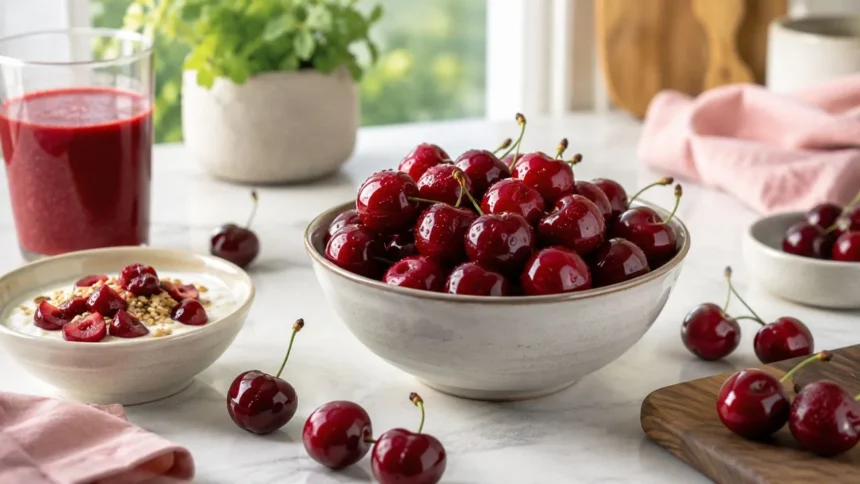
Cherries are small stone fruits known for their sweet or pleasantly sour flavour, vibrant colour and impressive range of plant compounds. They can be eaten fresh, frozen, dried or canned, while tart cherries are commonly sold as juice or concentrate. Beyond their flavour, cherries provide fibre, vitamin C, potassium and protective antioxidants.
People often ask what cherries are good for because the fruit has been connected with better sleep, exercise recovery, heart health and joint comfort. Some of these potential benefits are supported by promising research, particularly studies involving tart cherry products. However, cherries should be viewed as nutritious food rather than a treatment for medical conditions.
Sweet cherries and tart cherries have slightly different flavours, nutrient profiles and common uses. Sweet varieties are usually eaten fresh, while sour varieties such as Montmorency cherries are frequently used in juice, baking and sports supplements. Both types contain polyphenols, including anthocyanins that give many cherries their rich red colour.
Adding cherries to a balanced diet can be a simple way to increase fruit variety and enjoy naturally sweet food. Their benefits are most meaningful when they support an overall pattern that includes vegetables, whole grains, protein, movement and adequate sleep. No single fruit can compensate for an otherwise unbalanced lifestyle.
What Nutrients Do Cherries Provide?
Fresh cherries provide carbohydrates, natural fruit sugars, water and a modest amount of dietary fibre. They also contain vitamin C, which contributes to normal immune function and helps the body produce collagen. Their high water content makes fresh cherries a refreshing snack during warm weather.
Potassium is another useful nutrient found in cherries. This mineral supports normal muscle function, nerve signalling and fluid balance. Cherries are not the most concentrated source of potassium, but they can contribute to daily intake alongside foods such as beans, potatoes, yoghurt, bananas and leafy vegetables.
Cherries also contain small amounts of copper, manganese and other micronutrients. More importantly, they provide a variety of naturally occurring plant compounds that are not always shown on nutrition labels. These include anthocyanins, hydroxycinnamic acids, flavonols and other polyphenols with antioxidant activity.
The exact nutritional value depends on the variety, ripeness and processing method. Fresh and frozen unsweetened cherries generally retain their natural nutrient profile without added sugar. Dried, canned and juice products can be nutritious too, but their serving sizes and sugar concentrations require closer attention.
Cherries Are Rich in Antioxidant Compounds
One of the best-known cherry benefits comes from their antioxidant compounds. Normal metabolism, exercise, pollution and other factors can produce unstable molecules called free radicals. The body has its own protective systems, while antioxidant-rich foods help support the overall defence against oxidative stress.
Anthocyanins are pigments responsible for the deep red, purple and blue colours found in many fruits. Darker cherries often contain substantial amounts of these compounds, although colour alone does not reveal the complete nutritional value. Anthocyanins have attracted research interest because of their antioxidant and anti-inflammatory activity.
Cherries also contain vitamin C and several other polyphenols. These compounds may work together rather than acting as isolated ingredients. Eating the whole fruit also provides water and fibre, which is one reason fresh cherries may offer advantages that cannot be fully reproduced by a single antioxidant supplement.
Antioxidants should not be treated as substances that detoxify the body overnight or prevent every disease. Their value comes from regularly eating a diverse range of colourful plant foods. Cherries can contribute to this variety alongside berries, citrus fruits, grapes, vegetables, nuts and herbs.
May Cherries Support Heart Health?
Cherries can fit comfortably into a heart-supportive eating pattern because they provide potassium, fibre and polyphenols without large amounts of saturated fat or sodium. Replacing sweets, pastries or salty snacks with fresh fruit may also improve the overall nutritional quality of a person’s diet.
Potassium supports fluid balance and normal blood pressure regulation. Fibre can contribute to digestive health and may help support healthy cholesterol levels when consumed as part of an adequate daily intake. The polyphenols in cherries are also being studied for possible effects on blood vessels and inflammation.
Some studies involving cherry juice or whole cherries have reported modest improvements in blood pressure and selected cardiovascular markers. These findings are encouraging, but they have not been identical across every trial. Different products, serving sizes and study populations make it difficult to identify one ideal amount.
Anyone managing high blood pressure should continue following their prescribed treatment and broader dietary advice. Cherries cannot replace medication, regular activity or reduced sodium intake when these have been recommended. They are best understood as one nutritious component of a varied, heart-conscious diet.
Can Cherries Help Reduce Inflammation?
Inflammation is a normal part of the immune response and helps the body react to injury or infection. Problems may develop when inflammatory activity remains elevated for long periods. Researchers have examined whether the anthocyanins and other polyphenols in cherries can influence markers connected with inflammation.
Several studies have found that cherry consumption may reduce certain inflammatory or oxidative-stress markers. Tart cherry products receive particular attention because they are concentrated sources of anthocyanins. However, the response can vary according to the product, dose, duration and health of the participants.
It is important not to describe cherries as a natural replacement for anti-inflammatory medication. A food may support a healthy dietary pattern without treating the cause of persistent inflammation. Ongoing swelling, pain, fever or unexplained fatigue should be discussed with a healthcare professional.
A broader anti-inflammatory eating pattern usually matters more than one ingredient. Such a pattern may include vegetables, fruit, whole grains, pulses, nuts, fish and unsaturated fats. Cherries can add colour and flavour to that approach without requiring expensive powders or concentrated extracts.
Are Cherries Good for Exercise Recovery?
Tart cherry juice has become popular among runners, cyclists and strength athletes. Exercise creates temporary muscle damage, inflammation and oxidative stress, particularly after unfamiliar or demanding sessions. This process can contribute to delayed-onset muscle soreness and a temporary reduction in muscle strength.
Research suggests tart cherry products may help reduce post-exercise soreness or support the recovery of muscle function after strenuous activity. The potential effect is usually linked to their polyphenols and anthocyanins. Results appear more relevant to demanding exercise than to an ordinary light workout.
Tart cherry juice also provides carbohydrates, which can contribute to post-workout energy replacement. However, it does not contain enough protein to serve as a complete recovery meal by itself. Pairing it with yoghurt, milk, eggs, tofu, fish or another protein source creates a more balanced recovery option.
Athletes should not expect cherry juice to replace sleep, hydration, appropriate training or rest days. Some products are concentrated and contain considerable natural sugar, so serving size matters. Competitive athletes should also choose supplements carefully and look for credible independent testing where possible.
Can Cherries Improve Sleep Quality?
Tart cherries naturally contain small amounts of melatonin, a hormone involved in regulating the sleep-wake cycle. They also contain plant compounds that may indirectly support sleep through effects on inflammation or tryptophan metabolism. These characteristics have encouraged research into tart cherry juice and sleep quality.
Some small studies have found improvements in sleep duration or efficiency after regular tart cherry consumption. Other studies have reported limited or uncertain benefits, so the evidence is not strong enough to promise that cherries will cure insomnia. Effects may also differ between healthy sleepers and people with sleep problems.
A small glass of tart cherry juice may be included in an evening routine when it fits a person’s diet. Check for added sugar and remember that drinking a large volume close to bedtime may increase nighttime bathroom visits. Whole cherries provide fibre but contain less concentrated juice per serving.
Persistent insomnia usually requires more than adding one food before bed. A consistent wake time, reduced evening stimulation and cognitive behavioural therapy for insomnia may be more effective. Loud snoring, breathing pauses or severe daytime sleepiness should be medically assessed rather than managed with cherry products alone.
Are Cherries Helpful for Gout?
Gout is a form of inflammatory arthritis caused by the formation of urate crystals in and around a joint. It often produces sudden, severe pain, swelling and redness, commonly around the big toe. Some observational research has linked cherry consumption with fewer gout attacks in certain individuals.
Cherries may influence uric acid or inflammatory pathways, although the exact effect is still being investigated. The available findings are promising but do not establish cherries as a cure. Studies have also used different forms, including whole fruit, juice and cherry extract, making direct comparisons difficult.
People with gout may include fresh cherries as part of a balanced eating plan unless a clinician has advised otherwise. Hydration, medication adherence, body-weight management and individual dietary triggers may be equally or more important. Stopping prescribed gout medication because of cherry consumption could allow the condition to worsen.
Cherry juice concentrate can contain a substantial amount of sugar and calories when consumed in large quantities. This deserves consideration because excess calorie intake and certain sweetened drinks may complicate metabolic health. Discuss recurrent gout attacks with a healthcare professional instead of relying only on food-based remedies.
Can Cherries Support Healthy Digestion?
Whole cherries provide dietary fibre, which helps add bulk to stools and supports normal bowel function. Fibre also serves as food for certain beneficial gut microbes. A portion of cherries can therefore contribute to daily fibre intake, especially when eaten with other fruits, vegetables and whole grains.
Fresh cherries also have a high water content. The combination of water and fibre can help support comfortable bowel movements in some people. However, one serving does not contain enough fibre to correct a consistently low-fibre diet by itself.
Cherries contain sorbitol, a naturally occurring sugar alcohol that can draw water into the digestive tract. This may help some people experiencing mild constipation, but it can also cause bloating, gas or loose stools. The effect is more likely after eating a large portion.
People with irritable bowel syndrome may be sensitive to the fermentable carbohydrates in cherries. Individual tolerance varies, so a smaller serving may be more comfortable than a large bowl. Recurrent abdominal pain, blood in the stool or a major change in bowel habits needs medical attention.
Are Cherries Good for Blood Sugar?
Cherries contain natural sugar, but whole cherries also provide water, fibre and polyphenols. This combination means they can be included in a balanced eating plan by most people, including many individuals managing diabetes. The appropriate portion depends on total carbohydrate needs and personal glucose response.
Whole fruit is generally a more filling option than cherry juice because its fibre remains intact. Juice is easier to consume quickly and provides a more concentrated amount of carbohydrate. Dried cherries can be even more concentrated and are frequently sweetened during processing.
Eating cherries alongside protein or healthy fat may create a more satisfying snack. Examples include cherries with plain yoghurt, cottage cheese or a small portion of nuts. This pairing does not remove the carbohydrate, but it may support fullness and make portion control easier.
People using insulin or glucose-lowering medication should count cherries according to their personalised meal plan. Products labelled natural or no refined sugar can still affect blood glucose. Monitoring personal responses is more useful than assuming every fruit will affect every person in exactly the same way.
Can Cherries Help With Weight Management?
Fresh cherries can support weight management because they provide sweetness, water and fibre in a relatively low-energy whole-food form. They may satisfy a desire for dessert while offering more nutritional value than many sweets. Their small size can also encourage slower, more mindful eating.
No food directly burns body fat, including tart cherry juice or cherry supplements. Weight change is influenced by total energy intake, physical activity, sleep, medications, health conditions and genetics. Adding cherries without considering the rest of the diet will not automatically produce weight loss.
Portion awareness becomes more important with dried cherries, sweetened canned cherries and juice concentrate. Removing water makes dried fruit more calorie-dense, while syrups and added sugars increase the total energy content. These foods can still be enjoyed, but their portions are usually smaller than fresh fruit servings.
A practical strategy is to use fresh or frozen cherries to add sweetness to oats, yoghurt and homemade desserts. This may reduce reliance on heavily sweetened toppings. Sustainable weight management comes from repeatable habits rather than treating one fruit as a rapid fat-loss solution.
Sweet Cherries vs Tart Cherries
Sweet cherries, including varieties such as Bing and Rainier, are commonly eaten fresh. They have a higher natural sweetness and work well as snacks, dessert ingredients and additions to breakfast foods. Dark sweet cherries are also notable sources of anthocyanins and other polyphenols.
Tart cherries, sometimes called sour cherries, have a sharper flavour and are more frequently used in cooking, juice and concentrate. Montmorency is one of the best-known tart varieties. Much of the research on exercise recovery and sleep has used tart cherry products rather than ordinary fresh sweet cherries.
Neither type is automatically healthier in every situation. Sweet cherries may be more convenient as a fibre-containing whole fruit, while tart cherry concentrate provides a more concentrated product used in some studies. Concentration also means that sugar, calories and cost can rise quickly.
Choose according to your needs and preferences. Fresh sweet cherries work well for everyday snacking, while unsweetened frozen tart cherries can be added to recipes. When purchasing juice or concentrate, read the label for serving size, added sugar and instructions for dilution.
Are Fresh, Frozen or Dried Cherries Better?
Fresh cherries provide water, fibre and natural sweetness with minimal processing. They are highly enjoyable during cherry season but can spoil quickly. Keeping them refrigerated and washing them shortly before eating may help preserve their quality and texture.
Frozen cherries are a convenient alternative when fresh fruit is unavailable. Unsweetened frozen cherries can be added to smoothies, porridge, yoghurt and sauces without the need for pitting. Freezing may alter the texture, but it can preserve much of the fruit’s nutritional value.
Dried cherries offer convenience and a longer shelf life, but their natural sugar becomes more concentrated after water is removed. Many commercial varieties also contain added sugar and oil. Check the ingredient list and use a smaller portion than you would for fresh cherries.
Canned cherries vary considerably. Fruit packed in water or its own juice generally contains less added sugar than cherries in heavy syrup or pie filling. Draining syrup may reduce some added sugar, but choosing an unsweetened product from the beginning is usually simpler.
How Many Cherries Should You Eat?
There is no single medically required number of cherries for everyone. A typical fruit portion may be around one cup of fresh cherries, although appetite, carbohydrate needs and overall diet differ. Starting with a moderate handful is sensible when you are unsure how your digestion will respond.
Eating a very large quantity at once may cause bloating, abdominal discomfort or diarrhoea because cherries contain fibre, fructose and sorbitol. People with sensitive digestion may tolerate smaller servings better. Spreading fruit intake across the day can also feel more comfortable.
Tart cherry juice and concentrate require different serving guidance because products vary in strength. Follow the manufacturer’s dilution instructions and check the nutrition information. More concentrate does not necessarily produce more benefit and may add unnecessary sugar or cause digestive discomfort.
Rather than focusing on a perfect daily cherry dose, aim to eat a variety of fruits. Rotating cherries with berries, oranges, apples, pears and other options provides a broader mixture of nutrients. Seasonal variety also makes a healthy eating pattern more enjoyable and affordable.
Easy Ways to Add Cherries to Your Diet
Fresh cherries make a convenient snack once they have been washed and pitted. They can also be combined with plain yoghurt, oats or whole-grain cereal. Adding a protein-rich food helps turn fruit into a more filling breakfast or snack.
Frozen cherries work well in smoothies, but a smoothie does not need to contain juice, syrup or multiple sweeteners. Blend them with milk, unsweetened soy drink or yoghurt and add oats when desired. Keeping some fruit pieces whole may make the drink more satisfying.
Cherries can also be used in savoury meals. A cherry salsa can accompany grilled fish or chicken, while chopped cherries add sweetness to grain salads. Their flavour pairs well with leafy greens, soft cheese, walnuts, herbs and balsamic vinegar.
For dessert, warm cherries with cinnamon and serve them over yoghurt or porridge. This creates sweetness without requiring heavy syrup. When baking, remember that cakes, pies and pastries remain treat foods even when they contain nutritious fruit.
Possible Side Effects and Safety Considerations
Most people can eat cherries safely as part of a varied diet. The most common problem is digestive discomfort after a large serving. Gas, bloating, cramps or loose stools may occur because of their fibre, fructose and sorbitol content.
A cherry allergy is uncommon but possible. Symptoms may include itching in the mouth, swelling, hives, vomiting or breathing difficulty. Anyone who develops breathing problems, throat swelling or faintness after eating cherries needs emergency medical assistance.
Cherry pits are hard and can be choking hazards, particularly for young children. Always remove the stones before serving cherries to a child who cannot safely manage them. Avoid crushing or chewing the pits, and discard damaged stones rather than deliberately consuming them.
People with kidney disease may need to monitor potassium and fluid intake according to their treatment plan. Cherry products can also add significant carbohydrate when concentrated or sweetened. Personalised guidance from a clinician or dietitian is appropriate when a medical condition limits fruit, sugar, potassium or fluid.
Final Thoughts
Cherries are good for adding fibre, vitamin C, potassium and protective plant compounds to your diet. They may support heart health, digestive function and a varied antioxidant-rich eating pattern. Whole fresh or frozen cherries are especially practical choices for regular use.
Tart cherry products have also been studied for exercise recovery, sleep and gout. The findings are promising, but they do not prove that cherries can prevent or cure these conditions. Benefits may depend on the product, amount, timing and individual consuming it.
Choose unsweetened products whenever practical and compare portions carefully. Fresh cherries contain more water and fibre than juice, while dried fruit and concentrate provide more sugar and calories in smaller volumes. The best form depends on your purpose and overall dietary needs.
Enjoy cherries as part of a balanced lifestyle rather than expecting one food to transform your health. Their appealing taste and versatility may make it easier to eat more fruit consistently. That everyday habit is likely to matter more than chasing a perfect supplement or therapeutic dose.
Frequently Asked Questions
Is It Good to Eat Cherries Every Day?
Yes, most people can enjoy cherries regularly as part of a varied diet. Keep portions moderate and reduce the amount if they cause bloating or loose stools.
Are Cherries Good for Your Kidneys?
Cherries can fit many healthy diets, but people with kidney disease may have individual potassium or fluid limits. Follow guidance from your kidney specialist or dietitian.
Do Cherries Help You Sleep?
Tart cherries may modestly support sleep in some people, but the evidence remains mixed. They should not be considered a cure for persistent insomnia.
Are Cherries High in Sugar?
Cherries contain natural fruit sugar, but whole cherries also provide water and fibre. Juice, dried cherries and sweetened products contain more concentrated carbohydrate per serving.
Which Is Healthier, Sweet or Tart Cherries?
Both can be nutritious. Sweet cherries are convenient whole fruits, while tart cherries contain similar plant compounds and are more commonly studied in juice or concentrate form.