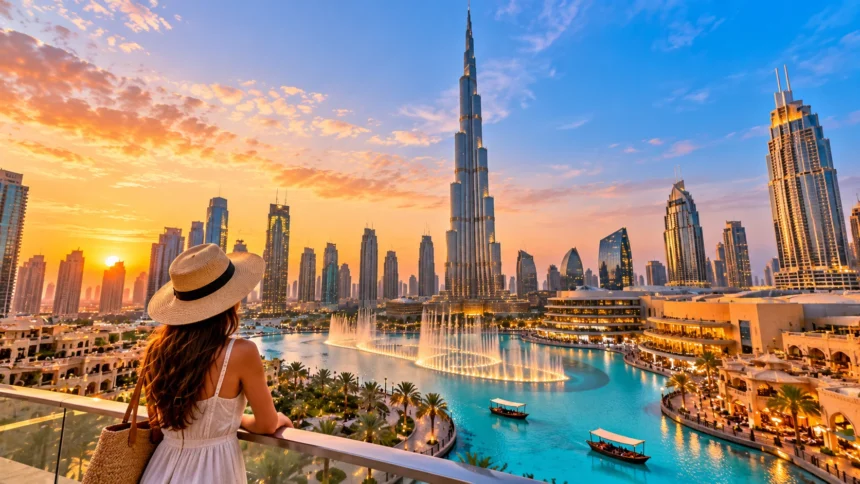
Dubai is one of the world’s most exciting travel destinations, famous for its impressive skyscrapers, beautiful beaches, luxurious shopping malls, and remarkable architectural landmarks. Located in the United Arab Emirates, the city combines modern attractions with traditional Arabian culture. Visitors can explore breathtaking observation decks, historical neighborhoods, and beautiful coastal destinations. Whether you enjoy sightseeing, shopping, or cultural experiences, Dubai offers something memorable for every traveler.
The best Dubai attractions include Burj Khalifa, Dubai Mall, Palm Jumeirah, Dubai Frame, and the Museum of the Future. Beyond these famous landmarks, travelers can discover traditional markets, peaceful beaches, colorful gardens, and fascinating desert landscapes. The city’s well-developed transportation network makes it relatively convenient to explore different neighborhoods and attractions during one vacation.
This Dubai travel guide highlights the city’s most popular tourist attractions and unique experiences. You will discover famous landmarks, family-friendly destinations, cultural sites, and practical sightseeing tips. From impressive modern architecture to traditional waterfront neighborhoods, these destinations can help you plan an unforgettable trip to Dubai.
Burj Khalifa: Experience the World’s Tallest Building
Burj Khalifa is one of Dubai’s most famous landmarks and an essential attraction for first-time visitors. Standing approximately 828 meters tall, it is recognized as the world’s tallest building. Its remarkable architecture dominates the Downtown Dubai skyline and attracts travelers from around the world. Visitors can admire the tower from nearby public spaces or explore its observation experiences.
The At the Top observation decks provide spectacular views across Dubai’s skyscrapers, surrounding neighborhoods, and distant desert landscapes. On clear days, visitors can appreciate the city’s impressive size and distinctive architectural layout. Sunset is a particularly popular period because the changing light creates beautiful scenery. Advance reservations are useful because popular observation times can sell out.
Burj Khalifa is located beside Dubai Mall, making it convenient to combine several attractions in one outing. Visitors can explore nearby restaurants, admire the tower’s illuminated exterior, and enjoy the surrounding pedestrian areas. The landmark is especially impressive after dark when Downtown Dubai becomes beautifully lit. Allowing several hours provides time to appreciate the entire district.
Dubai Mall: Shopping, Entertainment, and Family Attractions
Dubai Mall is one of the city’s most popular destinations for shopping, dining, and entertainment. Located in Downtown Dubai, this enormous complex contains international fashion stores, restaurants, and recreational attractions. Its convenient location near Burj Khalifa makes it a major stop for tourists. Visitors can enjoy the atmosphere even without planning an extensive shopping trip.
The mall offers attractions such as Dubai Aquarium and Underwater Zoo, where visitors can learn about aquatic animals through managed exhibits. Families can also discover entertainment areas and other indoor experiences. Restaurants and cafés provide a wide variety of international cuisines. The spacious shopping areas make Dubai Mall particularly convenient during hot weather.
Dubai Mall is connected to several major Downtown Dubai attractions, allowing visitors to explore the surrounding district easily. Its numerous facilities make it suitable for spending several hours indoors. Travelers interested in shopping should allow additional time because the complex is extensive. Checking individual attraction tickets and opening arrangements beforehand can help organize the visit.
Dubai Fountain: Beautiful Water Shows in Downtown Dubai
The Dubai Fountain is one of the city’s best-known entertainment landmarks, situated on Burj Lake near Dubai Mall. Its choreographed water displays have attracted visitors interested in evening sightseeing and photography. The combination of water movements, lighting, and surrounding skyscrapers creates a distinctive setting. Fountain performances and schedules are subject to maintenance and operational arrangements.
Visitors can enjoy views of the fountain area from designated waterfront walkways and nearby restaurants. The surrounding Downtown Dubai landscape provides an attractive setting for photography. When performances are operating, evening displays can be particularly impressive against the illuminated city skyline. Checking the current performance schedule before visiting helps avoid disappointment.
The fountain area is also conveniently located near Burj Khalifa and other popular attractions. Travelers can combine a waterfront walk with shopping, dining, and architectural sightseeing. Crowds often gather during popular evening periods, especially on weekends and holidays. Arriving early can provide a more comfortable opportunity to appreciate the surrounding environment.
Palm Jumeirah: Discover Dubai’s Famous Artificial Island
Palm Jumeirah is one of Dubai’s most recognizable engineering achievements and a popular destination for coastal sightseeing. This artificial island is designed in the shape of a palm tree and features luxury hotels, residences, and entertainment facilities. Its distinctive layout has become an international symbol of Dubai’s modern development. Visitors can explore selected public attractions while admiring beautiful views of the Arabian Gulf.
The View at The Palm is one of the best places to appreciate the island’s remarkable design. Its observation areas provide panoramic views across Palm Jumeirah, Dubai Marina, and the surrounding coastline. Travelers can also explore restaurants and shopping facilities near Palm Jumeirah’s central areas. The scenery is especially attractive during clear weather.
Palm Jumeirah is also home to major resort destinations, including Atlantis The Palm. Visitors can discover waterfront attractions, landscaped areas, and dining experiences throughout the island. Some beaches and facilities are restricted to hotel guests or ticket holders. Planning transportation and checking access arrangements helps travelers make the most of their visit.
Dubai Frame: See Old and Modern Dubai Together
Dubai Frame is one of the city’s most distinctive architectural landmarks, located in Zabeel Park. The enormous rectangular structure symbolizes Dubai’s transformation from a historic trading center into a modern international city. Its striking golden appearance creates an impressive addition to the skyline. Visitors can explore exhibition areas while learning about the city’s development.
The attraction includes displays highlighting Dubai’s history and its changing urban environment. An elevated observation area offers panoramic views of older neighborhoods on one side and modern skyscrapers on the other. This contrast makes Dubai Frame particularly interesting for architecture and history enthusiasts. The elevated glass-floor section is another recognizable feature of the visitor experience.
Dubai Frame is conveniently accessible from several central parts of the city. Visitors can combine the attraction with time in nearby Zabeel Park, depending on park access arrangements. Morning and late afternoon visits can provide attractive lighting for photography. Booking tickets ahead of time may be helpful during busy tourism periods.
Museum of the Future: Explore Innovation and Technology
The Museum of the Future is one of Dubai’s most recognizable modern attractions, famous for its unusual architectural design. Located along Sheikh Zayed Road, the building features a distinctive oval structure decorated with Arabic calligraphy. The museum focuses on future-oriented ideas involving science, technology, and human innovation. Its exterior alone makes it a memorable sightseeing destination.
Inside, visitors can explore immersive exhibitions that present imaginative perspectives on future developments. Displays address themes such as technology, sustainability, and scientific exploration through interactive experiences. The museum combines creative storytelling with digital presentations and modern design. It appeals to visitors interested in innovation, architecture, and educational entertainment.
The Museum of the Future is popular throughout the year, making advance ticket planning important. Exhibition content and visitor arrangements may change, so checking current information is useful. Travelers can also admire the building from surrounding public viewpoints. Its central location makes it relatively convenient to combine with other attractions along Sheikh Zayed Road.
Dubai Marina: Waterfront Walks and Modern Skyscrapers
Dubai Marina is one of the city’s most attractive modern neighborhoods, known for its impressive towers and beautiful waterfront setting. The district surrounds an artificial marina filled with restaurants, residential buildings, and recreational spaces. Visitors can enjoy scenic walks while admiring the surrounding architecture. Its lively atmosphere makes it particularly appealing during the evening.
Dubai Marina Walk is a popular pedestrian destination featuring waterfront dining and attractive views. Travelers can explore nearby cafés, admire boats in the marina, and enjoy photography along the promenade. The surrounding district offers convenient shopping and entertainment facilities. Evening visits provide an opportunity to see the area’s towers illuminated against the night sky.
Dubai Marina is also close to Jumeirah Beach Residence, making it suitable for combining city sightseeing with coastal relaxation. Public transportation provides access to much of the district, although some areas require additional walking. Visitors should allow time to explore the marina comfortably. The neighborhood is an excellent destination for travelers interested in Dubai’s modern urban atmosphere.
Jumeirah Beach Residence: Beaches and Coastal Entertainment
Jumeirah Beach Residence, commonly called JBR, is one of Dubai’s most popular coastal destinations. Located near Dubai Marina, the area features a sandy beach, restaurants, shops, and modern residential towers. Its waterfront setting attracts both international visitors and local residents. Travelers can enjoy attractive coastal scenery while exploring the surrounding entertainment district.
The Beach at JBR offers access to a lively seaside environment with dining and recreational facilities. Visitors can relax on the sand, enjoy waterfront walks, and admire views of Ain Dubai across the water. Swimming should take place only where conditions and local guidance permit. Beach facilities and activity availability may vary according to the season.
JBR becomes particularly lively during cooler evenings when visitors gather around its restaurants and pedestrian areas. The destination is suitable for families, couples, and travelers seeking a relaxed coastal atmosphere. Nearby Dubai Marina offers additional sightseeing opportunities within a relatively short distance. Spending an afternoon and evening here creates an enjoyable combination of beach relaxation and entertainment.
Al Fahidi Historical Neighborhood: Discover Old Dubai
Al Fahidi Historical Neighborhood is one of the best attractions in Dubai for travelers interested in the city’s traditional heritage. Located in Bur Dubai, the neighborhood contains restored buildings, narrow passageways, and distinctive wind towers. Its architecture reflects an earlier period of Dubai’s development. Exploring this district provides a fascinating contrast to the city’s modern skyscrapers.
Visitors can wander through peaceful courtyards and discover small cultural spaces, galleries, and heritage attractions. Traditional architectural features demonstrate how buildings were designed to respond to the region’s hot climate. The neighborhood also offers opportunities to learn about local history and community life. Guided cultural experiences can provide additional context about Dubai’s past.
Al Fahidi is especially enjoyable during the cooler months when walking through its historic streets is more comfortable. Visitors can combine the neighborhood with nearby Dubai Creek and traditional markets. Comfortable footwear is recommended for exploring the pedestrian pathways. Spending a few hours here offers a meaningful introduction to Dubai’s cultural identity.
Dubai Creek: Traditional Abra Rides and Historic Markets
Dubai Creek is one of the city’s most historically important waterways and a major part of its trading heritage. Before Dubai became internationally known for its skyscrapers, the creek supported maritime commerce and fishing activities. Today, it remains a fascinating destination for cultural sightseeing. Visitors can explore traditional neighborhoods while appreciating the city’s historical connections.
One of the most popular experiences is crossing Dubai Creek on a traditional wooden abra. These short passenger journeys provide attractive views of the surrounding waterfront and historic trading areas. Travelers can also explore nearby markets in Deira and Bur Dubai. The Gold Souk, Spice Souk, and Textile Souk offer different shopping experiences.
Dubai Creek is particularly atmospheric during the late afternoon and evening. Visitors can admire traditional boats, explore waterfront walkways, and sample local food in nearby restaurants. The area provides opportunities to understand Dubai’s development beyond its luxury attractions. Combining a creek crossing with the souks creates an enjoyable cultural itinerary.
Dubai Miracle Garden: Colorful Flowers and Creative Displays
Dubai Miracle Garden is one of the city’s most beautiful seasonal attractions, known for its elaborate floral arrangements and imaginative displays. Located in Dubailand, the garden features large decorative structures covered with colorful flowers. Its creative landscaping attracts families, photographers, and nature enthusiasts. The attraction offers a refreshing contrast to Dubai’s surrounding desert environment.
Visitors can walk through themed garden areas featuring decorative installations and attractive floral patterns. Seasonal exhibitions may include large flower-covered structures and carefully designed pathways. Different sections provide numerous opportunities for photography. The garden is particularly appealing to travelers interested in colorful outdoor scenery and creative landscape design.
Dubai Miracle Garden generally operates during the cooler part of the year rather than throughout the hottest summer months. Exact opening dates and exhibition details may change between seasons. Visitors should check current operating information before planning their trip. Comfortable footwear and sufficient time for walking help make the experience more enjoyable.
Global Village: International Culture, Food, and Shopping
Global Village is one of Dubai’s most popular seasonal entertainment attractions, bringing together shopping, food, and cultural experiences from different countries. The destination features themed international pavilions and a lively evening atmosphere. Visitors can discover traditional products, sample different cuisines, and enjoy family-friendly entertainment. Its multicultural setting reflects Dubai’s diverse international character.
Each pavilion offers opportunities to explore products and displays inspired by different national cultures. Travelers can browse handicrafts, clothing, souvenirs, and regional specialties. The destination also features scheduled performances and recreational attractions, depending on seasonal arrangements. Exploring several pavilions creates an entertaining experience without needing to visit multiple locations across the city.
Global Village usually operates during the cooler months, with its 2026–2027 season scheduled from October 2026 into May 2027. Evening visits are especially popular because decorative lighting adds to the atmosphere. Travelers should allow several hours to explore the extensive venue. Checking current schedules and ticket arrangements helps make the visit more convenient.
Dubai Desert Conservation Reserve: Beautiful Desert Landscapes
The Dubai Desert Conservation Reserve offers opportunities to appreciate the natural landscapes surrounding the city. This protected environment includes desert habitats, rolling sand dunes, and native wildlife. It provides a quieter contrast to Dubai’s busy urban attractions. Visitors interested in nature, conservation, and traditional desert environments may find the region especially memorable.
Authorized guided experiences may include wildlife observation, environmental education, and scenic stops in designated areas. Depending on conditions, visitors may learn about native species such as Arabian oryx and gazelles. The reserve emphasizes conservation and responsible tourism. Activities and access are controlled, so travelers should arrange visits through authorized operators.
The cooler months are generally more comfortable for exploring desert environments. Visitors should prepare for strong sunlight, temperature changes, and limited facilities in remote areas. Following the guide’s instructions and respecting wildlife protection rules is essential. A conservation-focused desert experience provides a meaningful perspective on the natural environment beyond Dubai’s modern skyline.
Souk Madinat Jumeirah: Traditional-Style Shopping and Views
Souk Madinat Jumeirah is a distinctive shopping and dining destination inspired by traditional Arabian market architecture. Located near Burj Al Arab, the complex features decorative walkways, waterways, and beautiful views of surrounding buildings. Visitors can explore boutique stores while enjoying a relaxed atmosphere. Its combination of traditional design and modern facilities makes it a popular sightseeing location.
The souk contains shops selling souvenirs, decorative items, clothing, and other products. Restaurants and cafés provide opportunities to enjoy meals while admiring nearby waterways. Certain viewpoints offer attractive perspectives of Burj Al Arab, one of Dubai’s most recognizable hotels. The architecture creates a picturesque setting for evening walks and photography.
Souk Madinat Jumeirah is particularly appealing during cooler weather when outdoor areas are comfortable to explore. Visitors can combine shopping with dining or spend time admiring the surrounding architecture. The destination is accessible from major parts of the city through taxis and other transportation options. Its atmosphere offers an interesting blend of traditional market design and contemporary Dubai.
Best Time to Visit Dubai and Essential Travel Tips
The best time to visit Dubai is generally from November through March, when outdoor temperatures are more comfortable for sightseeing. These months are suitable for exploring beaches, historical neighborhoods, gardens, and desert landscapes. December and January are particularly popular with international travelers. Accommodation prices may increase during holiday periods and major events.
Dubai experiences extremely hot conditions during summer, especially from June through September. Indoor attractions such as shopping malls and museums remain popular during this period. Outdoor sightseeing can become uncomfortable during the hottest hours. Choosing appropriate activities and staying hydrated helps travelers manage the city’s demanding summer climate.
Dubai offers public transportation through its metro, buses, trams, and regulated taxis. Travelers can use a nol card for eligible public transport services. Before departure, check passport validity, visa requirements, attraction tickets, and seasonal operating schedules. Planning destinations by neighborhood can reduce travel time and create a more comfortable sightseeing itinerary.
Conclusion
Dubai is an extraordinary travel destination offering impressive architecture, beautiful beaches, traditional markets, and exciting cultural attractions. Famous landmarks such as Burj Khalifa, Palm Jumeirah, and Dubai Frame showcase the city’s modern development. Historical destinations such as Al Fahidi and Dubai Creek reveal its rich cultural heritage. These attractions provide memorable experiences for travelers with different interests.
The best Dubai attractions depend on your preferred travel style and activities. Architecture enthusiasts can explore impressive skyscrapers and museums, while families can enjoy shopping malls, gardens, and seasonal entertainment venues. Beach lovers can relax around JBR, and cultural travelers can discover traditional markets and historic neighborhoods. Each destination offers a different perspective on Dubai.
Planning your Dubai itinerary carefully helps you experience the city’s highlights without unnecessary travel pressure. Consider the weather, location of attractions, public transportation, and ticket availability before traveling. Allow time for both famous landmarks and quieter cultural experiences. With its diverse attractions and impressive skyline, Dubai offers an unforgettable vacation in the United Arab Emirates.
Frequently Asked Questions
What are the best attractions in Dubai?
The best attractions in Dubai include Burj Khalifa, Dubai Mall, Palm Jumeirah, Dubai Frame, Museum of the Future, Dubai Marina, and Al Fahidi Historical Neighborhood. These destinations offer architecture, entertainment, and cultural experiences.
How many days do you need to explore Dubai?
Four to five days are suitable for exploring Dubai’s major attractions. Travelers interested in beaches, traditional markets, seasonal gardens, and additional cultural experiences may prefer six or seven days.
What is the best time to visit Dubai?
November through March is generally the best time to visit Dubai for comfortable outdoor sightseeing. The cooler weather is ideal for beaches, historical neighborhoods, and seasonal attractions.
Are Dubai attractions expensive for tourists?
Dubai offers attractions for different budgets. Public beaches, historical neighborhoods, and traditional markets provide affordable experiences, while observation decks, theme parks, and luxury activities usually require higher spending.
What are the best free places to visit in Dubai?
Popular free places to visit include Al Fahidi Historical Neighborhood, Dubai Marina Walk, selected public beaches, and traditional souk areas. Some attractions have optional paid experiences or separate admission requirements.