Nightshade vegetables are part of many familiar meals, from tomatoes in pasta sauce to potatoes at dinner and peppers in salads. Despite their popularity, these foods have developed a controversial reputation. Some online diets claim nightshades cause inflammation, digestive problems, joint pain, or autoimmune flare-ups.
For most people, edible nightshades are nutritious foods that can fit comfortably into a balanced diet. They provide fiber, vitamins, minerals, antioxidants, and plant compounds associated with several health benefits. Avoiding the entire food family without a clear reason can unnecessarily reduce dietary variety.
Some people may still experience problems after eating a particular nightshade. An individual could have a tomato allergy, react to spicy peppers, struggle with acidic foods, or feel unwell after eating certain potato products. These reactions do not mean that every member of the nightshade family is harmful.
Understanding the difference between scientific evidence and personal experience can help you make a more informed choice. This guide explains what nightshade vegetables are, which foods belong on the nightshade list, their nutritional benefits, potential risks, and how to test a suspected food sensitivity safely.
What Are Nightshade Vegetables?
Nightshade vegetables are edible plants belonging to the botanical family known as Solanaceae. This large plant family contains thousands of species, including vegetables, fruits, herbs, flowers, medicinal plants, and several poisonous varieties. Only a relatively small number of nightshade species are commonly eaten.
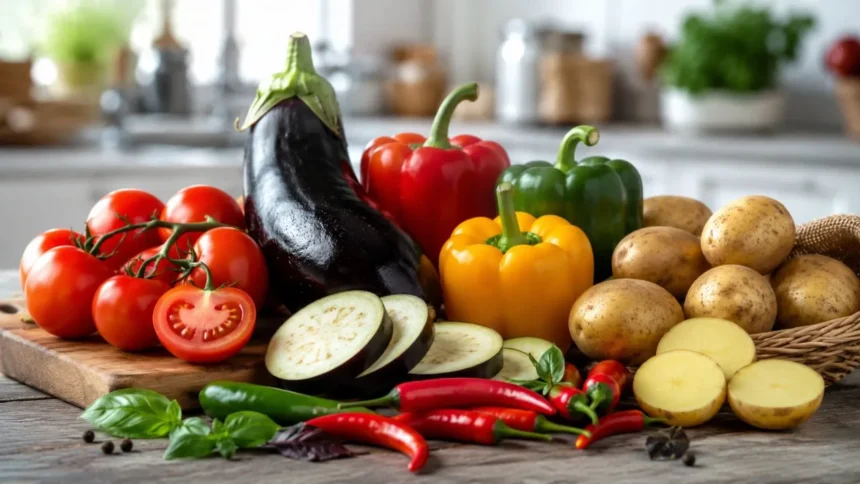
Tomatoes, peppers, white potatoes, and eggplants are the best-known edible nightshades. Although they are normally called vegetables in cooking, tomatoes, peppers, and eggplants are botanically classified as fruits because they develop from flowers and contain seeds. Potatoes are underground stem tubers rather than fruits.
Plants in the Solanaceae family naturally produce compounds that help protect them against insects, fungi, and other threats. These substances include different alkaloids and glycoalkaloids, such as solanine, chaconine, tomatine, and capsaicin. The types and concentrations vary substantially between foods and plant parts.
The presence of a naturally occurring defensive compound does not automatically make a food unsafe. Many ordinary plants contain chemicals that may be harmful at sufficiently high doses but are consumed safely at normal dietary levels. Ripeness, storage, preparation, portion size, and the specific plant all influence exposure.
Why Are They Called Nightshades?
The exact origin of the name “nightshade” is not completely certain. It may relate to the fact that some plants in the family grow well in shaded conditions or bloom during the evening. Historical associations with poisonous and medicinal species may also have contributed to the mysterious name.
Deadly nightshade, also known as belladonna, is one of the family’s best-known toxic members. It contains potent alkaloids that can cause severe poisoning. However, deadly nightshade is a different plant from commonly eaten tomatoes, potatoes, bell peppers, and eggplants.
The shared family name sometimes creates unnecessary fear because people assume edible nightshades have the same toxicity as belladonna. Botanical relatives can have dramatically different chemical profiles. Belonging to the same plant family does not mean every species has the same safety, nutrition, or effects.
The term is therefore a botanical category rather than a health warning. It tells scientists how plants are related based on features such as flower structure and genetics. It does not mean that everyone needs to remove nightshade foods from their meals.
Complete Nightshade Vegetables and Foods List
The most common nightshade foods are tomatoes, white potatoes, eggplants, and peppers from the Capsicum group. Tomatoes include cherry, grape, plum, beefsteak, Roma, yellow, green, and heirloom varieties. Tomato paste, pasta sauce, ketchup, salsa, juice, and sun-dried tomatoes also contain nightshades.
Nightshade peppers include bell peppers, chili peppers, jalapeños, habaneros, serranos, poblanos, cayenne peppers, banana peppers, pimentos, and paprika peppers. Fresh, dried, powdered, roasted, and pickled versions remain part of the same family. Hot sauces may also contain nightshades when made with chili peppers.
White, yellow, red, purple, russet, fingerling, and new potatoes are nightshades because they belong to the species Solanum tuberosum. Potato flour, starch, flakes, chips, fries, hash browns, and many packaged foods may therefore contain a nightshade ingredient.
Other edible nightshades include tomatillos, goji berries, goldenberries, ground cherries, pepino melons, and some less widely available Solanum fruits. Eggplant varieties such as globe, Japanese, Chinese, Indian, white, and Thai eggplants also belong to the Solanaceae family.
Tomatoes and Tomatillos
Tomatoes are among the most widely consumed nightshade foods. They can be eaten raw, roasted, grilled, stewed, or processed into sauces and soups. Tomatoes provide vitamin C, potassium, folate, fiber, and carotenoids, although the exact nutritional content varies according to the variety and preparation method.
One of the best-known tomato compounds is lycopene, a red carotenoid with antioxidant properties. Cooking tomatoes and eating them with a source of dietary fat can improve the body’s access to lycopene. Tomato paste and cooked sauce may therefore provide more absorbable lycopene than an equal amount of raw tomato.
Tomatillos look like small green tomatoes covered by a papery husk, but they are a separate nightshade species. They have a tart flavor and are frequently used in salsa verde, sauces, soups, and Mexican dishes. Their natural acidity may cause discomfort in people who are sensitive to acidic foods.
Tomatoes can also trigger true food allergies or pollen-food cross-reactions in some individuals. Possible symptoms include itching or tingling in the mouth, hives, swelling, digestive discomfort, or breathing difficulty. Reactions affecting breathing or circulation require urgent medical attention.
Peppers, Chili Powder, Cayenne and Paprika
Sweet and hot peppers belong to the Capsicum group within the nightshade family. Bell peppers contain little or no heat, while chili varieties produce different levels of spiciness. Their color may change from green to yellow, orange, red, purple, or brown as they mature.
Bell peppers are notable sources of vitamin C, particularly when eaten fresh or lightly cooked. They also provide fiber, carotenoids, vitamin B6, folate, and other plant compounds. Red peppers generally have a sweeter flavor because they have been allowed to ripen longer than green peppers.
Hot peppers contain capsaicin, the compound responsible for their burning sensation. Capsaicin activates heat-sensitive receptors in the mouth and digestive system. It is also used in some topical pain-relief products, although eating chili peppers is not equivalent to using a tested medical preparation.
Paprika, cayenne powder, chili flakes, and many chili powders are nightshade ingredients because they are made from dried peppers. However, seasoning blends may contain additional ingredients such as cumin, garlic, oregano, salt, or black pepper, so their full contents depend on the product.
Potatoes and Eggplants
White potatoes are nutritious starchy vegetables that provide carbohydrates, potassium, vitamin C, vitamin B6, and fiber. Their overall health impact depends strongly on preparation. A baked potato served with vegetables and protein differs nutritionally from heavily salted fries or potato chips.
The skin contains fiber and nutrients, but it can also contain a higher concentration of potato glycoalkaloids. Potatoes that have been exposed to light, damaged, stored poorly, or allowed to sprout may develop elevated levels. Green coloring is a warning that conditions favoring glycoalkaloid formation have occurred.
Eggplant, also called aubergine, provides fiber, manganese, folate, potassium, and purple plant pigments known as anthocyanins. It absorbs oil easily during cooking, so roasting, grilling, steaming, or air-frying may produce a lighter meal than deep-frying it.
A bitter eggplant is not automatically dangerous, as bitterness varies between varieties and growing conditions. Modern cultivated eggplants generally contain lower concentrations of bitter compounds than many wild species. People who consistently develop symptoms after eating eggplant should investigate the individual reaction instead of assuming every nightshade is responsible.
Foods Commonly Mistaken for Nightshades
Sweet potatoes are not nightshades. They belong to the morning glory family, known botanically as Convolvulaceae. Yams are also from different plant families, which means people avoiding nightshades can usually eat sweet potatoes and true yams unless they have another dietary restriction.
Black pepper is not a nightshade despite sharing the word “pepper” with bell and chili peppers. Black, white, green, and red peppercorns come from Piper nigrum, a plant in the Piperaceae family. Their spicy compound is piperine rather than capsaicin.
Zucchini, cucumbers, pumpkins, squash, and melons belong to the gourd family rather than the nightshade family. Okra, onions, garlic, mushrooms, carrots, beets, broccoli, cabbage, and leafy greens are also not nightshades.
Blueberries are sometimes incorrectly placed on nightshade food lists. They do not belong to the Solanaceae family, even though discussions about plant alkaloids have created confusion online. Strawberries, raspberries, blackberries, apples, oranges, and most other common fruits are not nightshades either.
Nutritional Benefits of Nightshade Vegetables
One major benefit of nightshades is that they add color and variety to meals. Tomatoes, peppers, eggplants, and potatoes provide different combinations of fiber, vitamins, minerals, and phytonutrients. Eating a varied selection of plant foods helps prevent a diet from becoming unnecessarily narrow.
Tomatoes and red peppers contain carotenoids, while purple eggplant skin contains anthocyanins. These compounds help plants manage environmental stress and can act as antioxidants in the human diet. Antioxidants help limit damage caused by unstable molecules produced during normal metabolism.
Nightshades can also support fiber intake. Fiber contributes to digestive regularity, helps nourish beneficial intestinal bacteria, and can improve fullness after meals. Keeping edible skins on properly stored potatoes and eggplants may increase fiber, although preparation should match individual tolerance.
These foods are commonly included in Mediterranean-style eating patterns, which emphasize vegetables, fruits, beans, whole grains, fish, nuts, and olive oil. Removing tomatoes, peppers, and eggplant without replacing their nutrients could make this otherwise varied pattern harder to follow.
Potential Benefits of Tomatoes
Tomatoes provide vitamin C, potassium, folate, and several carotenoids. Vitamin C supports collagen production, immune function, wound healing, and iron absorption. Potassium contributes to normal muscle, nerve, and fluid-balance functions when consumed as part of an appropriate diet.
Lycopene gives many tomatoes their red color. Observational research has linked diets containing tomato products with several favorable health outcomes, although eating tomatoes cannot guarantee disease prevention. The whole dietary pattern, activity level, genetics, and other lifestyle factors remain important.
Cooked tomatoes can be particularly useful because heating breaks down parts of the plant structure. Combining cooked tomato sauce with olive oil, avocado, nuts, or another source of fat may improve carotenoid absorption. The added ingredients and portion size still determine the meal’s overall nutrition.
People with reflux may find tomato sauce more uncomfortable than fresh tomato because sauces can be concentrated, acidic, spicy, or eaten in large portions. That reaction represents digestive sensitivity rather than proof that tomato alkaloids are causing body-wide inflammation.
Benefits of Peppers and Eggplant
Bell peppers can add sweetness, crunch, and color without contributing many calories. Red, yellow, and orange peppers provide carotenoids along with substantial vitamin C. Green peppers are harvested earlier and tend to have a slightly more bitter flavor.
Chili peppers make meals more flavorful, which may help people reduce their dependence on excess salt or rich sauces. However, extremely spicy foods can worsen heartburn, abdominal burning, or diarrhea in sensitive individuals. Tolerance varies widely and can change over time.
Eggplant provides a satisfying texture that works well in plant-based dishes. It can be grilled, roasted, stuffed, added to curry, or blended into dips. Pairing it with beans, lentils, fish, chicken, tofu, or yogurt can create a more balanced meal.
The dark purple skin of many eggplants contains anthocyanin pigments. These compounds are also present in other purple, red, and blue plant foods. Eggplant does not need to be treated as a medicine to be valuable; its main advantage is contributing nutrients and variety to a healthy eating pattern.
Benefits of Potatoes
Potatoes are often considered unhealthy because they are associated with fries, chips, and heavily topped dishes. The potato itself is a nutrient-containing whole food. Baking, boiling, or roasting it with modest amounts of oil creates a very different meal from deep-fried or highly processed potato products.
A medium potato can provide carbohydrates for energy along with potassium and vitamin C. Potatoes are naturally free from gluten, making them useful for people with celiac disease or medically confirmed gluten intolerance when cross-contact and added ingredients are controlled.
Cooling cooked potatoes can increase some of their resistant starch. Resistant starch is not digested in exactly the same way as ordinary starch and may act more like fermentable fiber. Individual blood glucose responses still vary according to the potato variety, cooking method, portion, and accompanying foods.
People with diabetes do not necessarily need to eliminate potatoes, but portion size and meal composition matter. Pairing potato with protein, non-starchy vegetables, and healthy fat can create a more balanced meal than eating a large portion by itself.
What Are Alkaloids and Glycoalkaloids?
Alkaloids are naturally occurring compounds produced by many plants. Nightshades contain several types, but they do not all contain the same compound or concentration. Capsaicin is found in hot peppers, tomatine is associated with tomatoes, and solanine and chaconine are important potato glycoalkaloids.
These substances help plants defend themselves from pests and environmental threats. Laboratory research has found both potentially beneficial and harmful biological activities, depending on the compound and dose. Findings from isolated cells or animals cannot automatically predict what happens when humans eat normal portions of vegetables.
Glycoalkaloids become a food-safety concern when consumed in sufficiently high amounts. Symptoms of excessive potato glycoalkaloid exposure may include nausea, vomiting, abdominal pain, or diarrhea. Severe poisoning is uncommon but may affect the nervous and cardiovascular systems.
Ordinary edible nightshades have a long history of use, and most people consume them without alkaloid-related illness. The clearest practical concern involves green, damaged, bitter, or heavily sprouted potatoes rather than normal servings of ripe tomatoes, peppers, or eggplants.
Do Nightshade Vegetables Cause Inflammation?
There is currently no convincing evidence that edible nightshades universally cause inflammation in healthy people. Tomatoes, peppers, eggplants, and potatoes provide nutrients and plant compounds rather than functioning as one uniform inflammatory group. Responses to specific foods can still differ between individuals.
Claims about inflammation often focus on solanine, even though different nightshades contain different alkaloids. Tomatoes, peppers, and eggplants should not all be treated as if they provide the same dose of potato glycoalkaloids. The concentration also varies with ripeness, plant part, variety, and storage.
Some research has explored whether nightshade glycoalkaloids could affect the intestinal barrier or worsen symptoms in inflammatory digestive conditions. However, much of the concern comes from laboratory or animal research, and researchers describe the available human evidence as limited.
A food may still bother one person without being broadly inflammatory. Tomatoes could trigger reflux, chili peppers may cause digestive burning, and a particular ingredient may produce an allergic reaction. Identifying the actual trigger is more useful than labelling the entire plant family as toxic.
Do Nightshades Cause Arthritis or Joint Pain?
Many people with rheumatoid arthritis, osteoarthritis, or other joint conditions report that tomatoes, potatoes, peppers, or eggplants worsen their symptoms. These experiences should be taken seriously, but personal reports cannot establish that nightshades directly cause joint inflammation in everyone.
Scientific evidence supporting universal nightshade avoidance for arthritis remains insufficient. The Arthritis Foundation states that research has not shown nightshade vegetables to trigger arthritis flares generally and notes that these foods can provide valuable nutrition.
A 2024 publication discussing a nightshade elimination diet in rheumatoid arthritis was a study protocol rather than completed trial results. In other words, it described how researchers planned to test the diet but did not prove that avoiding nightshades improves rheumatoid arthritis.
Joint symptoms naturally fluctuate because of disease activity, sleep, medication, infections, stress, weather, exercise, and other dietary changes. Removing several foods at once can make it difficult to know which factor mattered. A structured elimination and reintroduction process provides more useful information than permanent avoidance based on suspicion alone.
Can Nightshades Worsen Digestive Symptoms?
Some nightshade foods can aggravate digestive symptoms without causing a true allergy. Tomato products may worsen acid reflux because they are acidic, while hot peppers can trigger burning, cramps, or diarrhea. Fried potato dishes may be difficult to tolerate because of their fat content rather than the potato itself.
People with irritable bowel syndrome can react to individual preparation methods or ingredients served with nightshades. Garlic, onion, cheese, cream, large amounts of oil, and certain sweeteners may be more troublesome than tomato, pepper, or potato in the same dish.
Research has raised questions about whether glycoalkaloids could worsen intestinal inflammation in susceptible people, including those with inflammatory bowel disease. Current human evidence remains limited, so nightshade avoidance is not a standard treatment that should replace prescribed medication or professional dietary guidance.
Keep a detailed food and symptom diary when you suspect a digestive reaction. Record the food, portion, cooking method, accompanying ingredients, timing, and symptoms. This approach can reveal whether the issue is one food, a large serving, a spicy recipe, or an unrelated ingredient.
Nightshade Allergy Versus Food Intolerance
A food allergy involves the immune system and can become serious. Symptoms may include hives, itching, lip or tongue swelling, coughing, wheezing, vomiting, dizziness, or difficulty breathing. A suspected allergic reaction should be evaluated by a qualified healthcare professional.
Tomatoes, peppers, potatoes, and eggplants can cause allergies, although they are not among the most common major food allergens. Some people with pollen allergies develop mouth itching or tingling after eating raw tomato or pepper because plant proteins can cross-react with pollen allergens.
Food intolerance does not involve the same allergic mechanism. It may cause bloating, reflux, cramps, diarrhea, flushing, or headache, depending on the person and food. Symptoms can be uncomfortable but are not generally associated with the rapid breathing or circulation problems seen in anaphylaxis.
Do not perform a home reintroduction when a previous reaction involved breathing difficulty, throat tightness, faintness, or widespread hives. An allergist can determine whether testing or a medically supervised food challenge is appropriate. Call emergency services when symptoms suggest anaphylaxis.
Are Green or Sprouted Potatoes Dangerous?
Potato glycoalkaloids are concentrated near the skin, eyes, sprouts, and damaged areas. Exposure to light can cause potatoes to turn green by increasing chlorophyll. Chlorophyll is not itself the toxin, but greening shows that the potato experienced conditions that can also increase glycoalkaloids.
Avoid eating potato sprouts, leaves, flowers, or stems. Potatoes that are extensively green, soft, damaged, strongly bitter, or heavily sprouted should be discarded. A bitter or burning taste is a warning sign, and the potato should not be swallowed simply to avoid food waste.
Peeling can substantially reduce glycoalkaloid content because much of it is concentrated near the surface. Boiling and frying may produce additional reductions, but cooking should not be treated as a reliable way to make a badly green or heavily sprouted potato safe.
Store potatoes in a cool, dark, dry, and well-ventilated place away from direct light. Avoid storing them where children or pets can access sprouts or plant parts. Seek medical advice or contact a poison service if someone develops significant vomiting, diarrhea, weakness, confusion, or neurological symptoms after eating questionable potatoes.
Who May Need to Limit Nightshade Foods?
People with a confirmed allergy should avoid the specific food and follow their clinician’s emergency plan. They may not need to avoid every nightshade unless testing or previous reactions show broader cross-reactivity. Ingredient labels and restaurant sauces may require extra attention.
Someone with severe reflux may benefit from limiting concentrated tomato products or hot peppers. This does not necessarily require avoiding plain potatoes, eggplant, or sweet bell peppers. Adjusting the portion, cooking method, and meal timing may be enough to improve comfort.
People who consistently notice joint or digestive symptoms after a specific nightshade may consider a supervised elimination trial. The goal should be to test a clear pattern rather than adopt a permanent restriction immediately. Other possible triggers and medical causes should also be considered.
Children, pregnant people, athletes, older adults, and anyone with an eating disorder history should be cautious about broad elimination diets. Removing a major food group can reduce calories, fiber, potassium, vitamin C, and dietary variety unless suitable alternatives are included.
How to Try a Nightshade Elimination Diet Safely
Begin by documenting your normal symptoms for at least several days. Record pain, stiffness, digestion, skin symptoms, sleep, stress, physical activity, medication changes, and meals. A baseline makes it easier to judge whether removing nightshades creates a meaningful difference.
A typical elimination trial removes all nightshade foods for a limited period, often two to four weeks. During that time, replace them with non-nightshade vegetables and carbohydrate sources rather than simply eating less. Sweet potatoes, squash, carrots, beets, cauliflower, broccoli, mushrooms, rice, and whole grains can help maintain variety.
Keep the rest of your routine as consistent as practical. Starting supplements, changing exercise, reducing sugar, improving sleep, and removing nightshades simultaneously makes the result difficult to interpret. One controlled change gives you clearer information.
Work with a registered dietitian or medical professional when you have a chronic condition, take medication, are underweight, or already avoid several foods. An elimination diet should be a short diagnostic tool, not an indefinite lifestyle based on fear.
How to Reintroduce Nightshade Vegetables
Reintroduction is essential because symptom improvement during elimination does not prove nightshades caused the problem. Symptoms may improve naturally or because the elimination changed many other ingredients. Testing foods individually helps identify whether a genuine pattern exists.
Choose one nightshade food in a simple form, such as plain tomato, baked potato, roasted eggplant, or bell pepper. Eat a small portion first, then a normal portion if no immediate reaction occurs. Avoid testing it in a complex restaurant dish containing many possible triggers.
Observe symptoms for an appropriate period before testing the next food. Immediate allergy symptoms can appear quickly, while digestive or joint complaints may take longer to evaluate. Record the quantity, preparation, timing, and any changes you notice.
A reaction to one food does not prove intolerance to the entire family. You may tolerate potatoes and eggplant while reacting to tomato, or tolerate bell peppers but not hot chilies. Retaining tolerated foods protects dietary flexibility and nutritional variety.
Healthy Ways to Prepare Nightshade Vegetables
Roast tomatoes, bell peppers, and eggplant with olive oil, herbs, and garlic to create a flavorful vegetable side. Serve them with beans, fish, chicken, tofu, or whole grains. Combining vegetables with protein and healthy fat can make the meal more satisfying.
Bake or boil potatoes rather than relying mainly on fries and chips. Top them with beans, yogurt, tuna, vegetables, or a modest amount of cheese. This approach keeps the potato while improving the meal’s balance and limiting excess sodium and saturated fat.
People with reflux may tolerate smaller servings of cooked tomato or mild peppers better than concentrated sauce and hot chili. Removing tomato skin or seeds helps some individuals, although it does not change whether the food belongs to the nightshade family.
Cooking does not remove every naturally occurring alkaloid, but ordinary preparation makes edible nightshades enjoyable and easier to digest. The most important potato safety step is beginning with a fresh, properly stored tuber rather than attempting to rescue one that is extensively green or sprouted.
How to Replace Nightshades Without Losing Nutrition
Replace tomatoes with roasted red beets, pumpkin puree, carrots, pesto, or herb-based sauces depending on the recipe. No substitute tastes exactly like tomato, but acidity from lemon or vinegar and sweetness from roasted vegetables can create a satisfying sauce.
Use sweet potatoes, squash, cauliflower, parsnips, turnips, rice, quinoa, or beans in place of white potatoes. Choose replacements according to the potato’s role in the meal. Mashed cauliflower works differently from a baked sweet potato, even though both can provide variety.
Replace bell peppers with carrots, celery, radishes, zucchini, cucumber, or cabbage when you need crunch. Use cumin, ginger, mustard, turmeric, black pepper, garlic, and fresh herbs for flavor when paprika, cayenne, and chili powder are being avoided.
Pay attention to nutrients rather than only removing ingredients. Citrus, berries, broccoli, and cabbage can help replace vitamin C, while beans, squash, bananas, yogurt, and leafy greens contribute potassium. A dietitian can help when several allergies or intolerances make substitutions difficult.
Should Everyone Avoid Nightshade Vegetables?
Most people do not need to avoid nightshade vegetables. Tomatoes, peppers, potatoes, and eggplants can contribute valuable nutrients to a balanced diet. There is no strong evidence supporting universal nightshade restriction for inflammation, arthritis, autoimmune disease, or general wellness.
Avoidance makes sense when a specific food causes a confirmed allergic reaction or a clear, repeatable intolerance. Even then, the problem may involve only one nightshade rather than the entire botanical family. Personalized decisions are more useful than broad online food rules.
Be cautious of claims that nightshades are poisonous because they contain alkaloids. Dose, plant species, plant part, ripeness, and preparation all matter. A ripe tomato or fresh bell pepper cannot be judged in the same way as deadly nightshade berries or heavily sprouted potatoes.
Your complete eating pattern matters more than whether one botanical family is included. A varied diet built around minimally processed foods, adequate protein, healthy fats, fiber-rich carbohydrates, and many types of produce is usually more meaningful than focusing on one ingredient category.
Final Thoughts
Nightshade vegetables include tomatoes, peppers, white potatoes, eggplants, tomatillos, goji berries, and several less common foods. Sweet potatoes, black pepper, zucchini, cucumbers, blueberries, and okra are not part of the nightshade family.
These foods provide fiber, vitamin C, potassium, carotenoids, and other useful plant compounds. For most people, they are safe and nutritious. Their benefits depend partly on preparation, since a baked potato and a serving of fries have very different nutritional profiles.
The main risks involve individual allergy, intolerance, reflux from acidic or spicy foods, and high glycoalkaloid exposure from green or heavily sprouted potatoes. Current evidence does not show that edible nightshades universally cause inflammation or arthritis pain.
When you suspect a reaction, track symptoms and test foods systematically rather than permanently eliminating the entire family. Medical or dietetic guidance is especially important when symptoms are severe, several foods are already restricted, or a reaction may involve an allergy.
What are the most common nightshade vegetables?
The main nightshade vegetables are tomatoes, white potatoes, eggplants, and peppers. Tomatillos, goji berries, goldenberries, ground cherries, and pepino melons also belong to the family.
Are sweet potatoes considered nightshades?
No. Sweet potatoes belong to the morning glory family rather than the Solanaceae family. They are commonly used as a nightshade-free replacement for white, red, or yellow potatoes.
Do nightshade vegetables cause inflammation?
Current evidence does not show that nightshades cause inflammation in everyone. Some individuals may react to a specific food, but this should be tested carefully rather than assumed from symptoms alone.
Should people with arthritis avoid nightshades?
Routine nightshade avoidance is not recommended for everyone with arthritis. A short, structured elimination and reintroduction trial may help when someone repeatedly notices symptoms after eating a particular nightshade.
Is it safe to eat green potatoes?
Potatoes that are extensively green, bitter, damaged, or heavily sprouted should be discarded because they may contain elevated glycoalkaloids. Cooking should not be relied upon to make a badly affected potato safe.